
What Should I Pack for Gorilla Trekking? The 2026/2027 Checklist
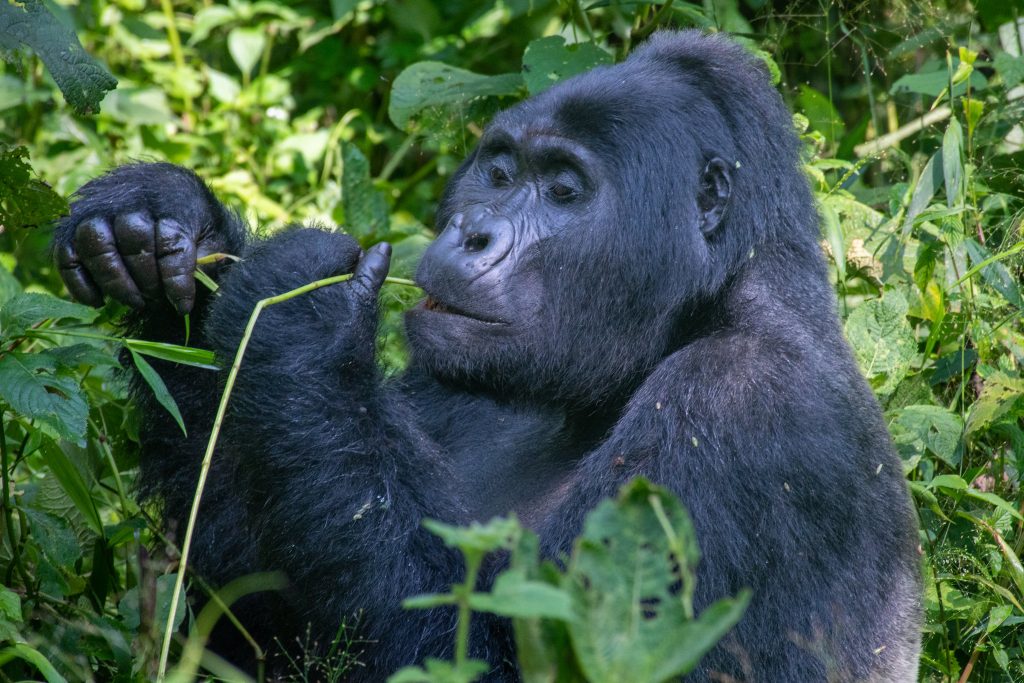
Essential Gorilla Trekking Packing List
“What Should I Pack for Gorilla Trekking?”, To ensure a comfortable and successful encounter with mountain gorillas in 2026, you must pack:
- Footwear: Waterproof hiking boots with ankle support and tall moisture-wicking socks.
- Clothing: Long-sleeved shirts and long trousers (neutral colors like khaki or green). Avoid blue/black (tsetse flies) and camouflage.
- Hand Protection: Sturdy gardening gloves for gripping vines and thorny branches.
- Outerwear: A lightweight, breathable rain jacket or poncho (even in the dry season).
- Gear: A waterproof daypack, 2 liters of water, high-energy snacks, and a camera (flash disabled).
- Documents: Your original passport and physical gorilla trekking permit.
Your Definitive Gorilla Trekking Packing Guide for 2026
Gorilla trekking in Bwindi Impenetrable National Park or Volcanoes National Park is an exhilarating adventure, but the terrain is “impenetrable” for a reason. In 2026, weather patterns have become more unpredictable, making your gear choices more important than ever.
At Active Uganda Safaris, we’ve refined this list based on thousands of successful treks to ensure you’re prepared for the mud, the rain, and the “gentle giants.”
1. The “Forest Armor”: What to Wear
The jungle is full of stinging nettles, thorny thickets, and “safari ants.” Your clothing is your primary defense.
- Long-Sleeved Shirts & Trousers: Choose moisture-wicking, quick-dry fabrics. Avoid jeans, which become heavy and cold when wet.
- Tuck Your Trousers into Socks: This is the #1 pro-tip to prevent red ants from crawling up your legs.
- Neutral Colors: Stick to greens, tans, and browns. Avoid bright red/yellow (which can agitate gorillas) and blue/black (which attract tsetse flies).
- Gardening Gloves: You will instinctively grab onto branches for balance. Strong gloves protect your hands from thorns and itchy plants.
2. Footwear: The Foundation of Your Trek
Do not attempt this in sneakers. The slopes are steep and often slippery.
- Waterproof Hiking Boots: Ensure they have deep treads and excellent ankle support.
- Gaiters: These waterproof sleeves cover the gap between your boots and pants, keeping mud and stones out of your shoes.
- Pro-Tip: Break in your boots at least 3 weeks before your trip to avoid blisters on the trail.
3. Essential Gear & Tech
- Waterproof Daypack (20L-30L): To carry your lunch, water, and extra layers. Use a rain cover or dry bag for your electronics.
- 2 Liters of Water: Hydration is critical at high altitudes.
- Camera Gear: Bring a mid-range zoom lens (70-200mm). Flash photography is strictly prohibited.
- Power Bank: The humid environment and cold forest air can drain phone and camera batteries faster than expected.
4. Health & Documentation
- Face Mask: In 2026, masks are still recommended during the actual encounter to protect gorillas from human respiratory illnesses.
- Insect Repellent: Use a DEET-based spray, focusing on your ankles and wrists.
- Gorilla Permit: You cannot enter the forest without your physical permit and passport.
The Secret Weapon: Hiring a Porter
While not something you “pack,” hiring a porter for approximately $20 is the best “gear” upgrade you can get. They carry your heavy pack and provide a steady hand on slippery inclines, all while supporting the local community economy.
Explore our expert-tailored gorilla safari packages designed to give best value for your money. Learn about lodges, permits and gorilla trekking sectors