
Uganda Safaris & Tour Packages – Plan and Book Your Safari
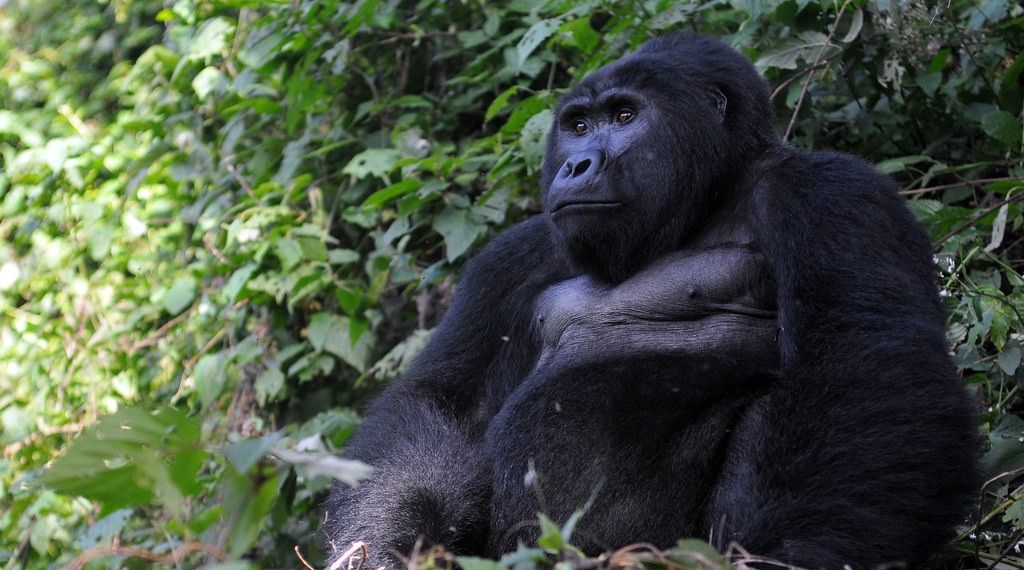
Welcome to Active Uganda Safaris, your primary trusted partner and local safari specialist for high-value, immersive, and custom-tailored East African journeys. Whether your vision of a perfect African safari involves standing face-to-face with a silverback mountain gorilla in ancient misty rainforests, tracking tree-climbing lions across savanna plains, navigating the rushing waters of the Nile, or resting in world-class luxury eco-lodges under the African stars, Uganda delivers an unmatched, authentic adventure.
Known as the “Pearl of Africa,” Uganda stands out as one of the most biodiverse continent destinations. Here, East African savanna ecosystems converge with West African tropical rainforests, creating a unique environment where you can observe habituated mountain gorillas, chimpanzees, classic Big Five game, and over 1,000 avian species—all within a single, cohesive itinerary.
At Active Uganda Safaris, we eliminate the complexity of trip planning. We handle your gorilla and chimpanzee permits, arrange seamless ground and aerial logistics, select top-tier safari accommodation, and pair you with expert, native driver-guides.
Why Book Your Uganda Safari With Active Uganda Safaris?
When planning a bucket-list journey to Africa, choosing the right local tour operator is the single most important factor determining your trip’s success. Here is why discerning international travelers, private families, and luxury adventurers choose us:
- Direct Local Expertise & Unmatched Value: Based directly in Uganda, we operate natively without international broker middleman markups. Every dollar you spend goes directly toward premier accommodations, top-spec 4×4 safari vehicles, experienced local guides, and community conservation initiatives.
- Guaranteed Gorilla & Chimpanzee Permit Securing: Primate trekking permits in Uganda are highly regulated and strictly capped per day by the Uganda Wildlife Authority (UWA). We maintain direct real-time access to the UWA reservation matrix, ensuring your trekking permits for Bwindi Impenetrable Forest, Mgahinga Gorilla National Park, and Kibale Forest are secured promptly without delays.
- Customized Private Itineraries: We do not produce generic, rigid group tours. Every safari package is fully customizable to align with your specific budget, travel dates, physical fitness level, and luxury preferences.
- Custom-Built 4×4 Land Cruiser Fleet: Comfort on the road is paramount. Our fleet consists of fully serviced, heavy-duty 4×4 Toyota Land Cruisers fitted with pop-up roofs for 360-degree photo viewing, onboard charging ports, fridge-chilled drinking water, high-frequency radios, and extended legroom.
- Certified Senior Driver-Guides: Your safari guide makes or breaks your journey. Our guides are senior wildlife naturalists, certified track-masters, and expert birders with years of field experience across East Africa’s national parks.
Featured Uganda Safari Packages & Itineraries
Explore our most popular, high-converting safari packages below. Every package can be upgraded to high-end luxury, scaled to mid-range comfort, or tailored for private family travel.
Featured Uganda Safari Packages & Itineraries
Explore our most popular, high-converting safari packages below. Every package can be upgraded to high-end luxury, scaled to mid-range comfort, or tailored for private family travel.
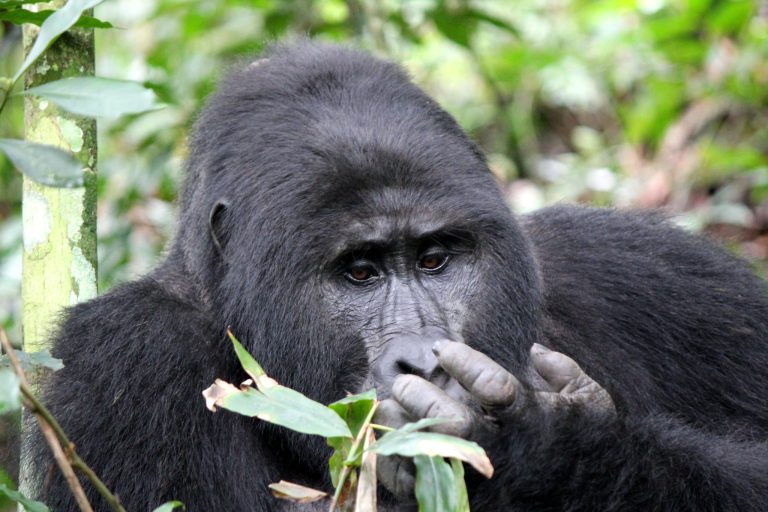
The 3-Day Bwindi Gorilla Trekking Express
- Ideal For: Travelers on tight schedules or combined East African regional circuits (e.g., combining with Kenya or Tanzania safaris).
- Highlights: Fly or drive from Entebbe/Kampala (or Kigali) to Bwindi Impenetrable National Park; 1 full day of mountain gorilla tracking; Batwa cultural interaction.
- Includes: Gorilla Permit ($800 value), 4×4 Transport, Full-Board Lodge Accommodation, Professional Guide.
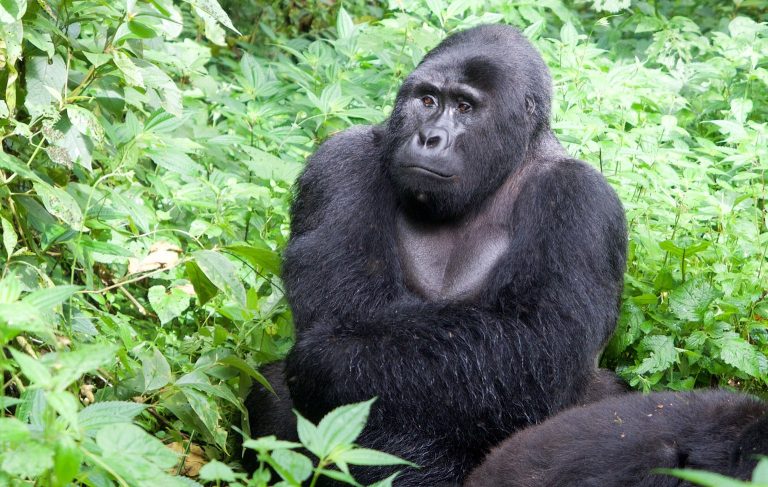
6-Day Gorilla, Chimpanzee & Wildlife Safari
- Ideal For: Travelers wanting a complete primate and wildlife experience in a compact timeframe, featuring Uganda’s top iconic national parks.
- Highlights: Mountain gorilla trekking in Bwindi Forest, chimpanzee tracking and Bigodi swamp walk in Kibale Forest, Kazinga Channel boat safari, and tree-climbing lions in Queen Elizabeth.
- Includes: Gorilla Permit ($800 value), Chimpanzee Permit, Park Entrance Fees, Kazinga Channel Boat Cruise, 4×4 Ground Transport, Full-Board Lodge Accommodation, and Professional Driver-Guide.
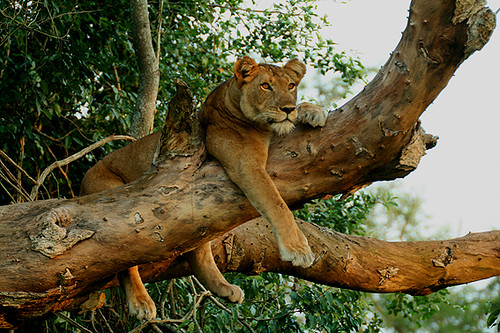
The 7-Day Classic Pearl of Africa Circuit
- Ideal For: First-time African travelers desiring deep wildlife exposure.
- Highlights: Chimpanzee tracking in Kibale Forest (Primate Capital of the World), wildlife game drives and Kazinga Channel cruise in Queen Elizabeth, and gorilla tracking in Bwindi Impenetrable Forest.
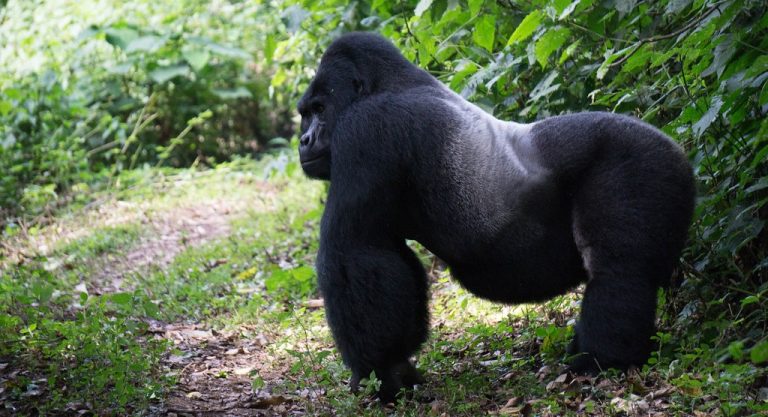
9-Day Gorilla Safari & Wildlife Tour
- Ideal For: Travelers seeking a well-paced journey through Uganda’s primary savanna parks and rainforests for maximum wildlife and primate exposure.
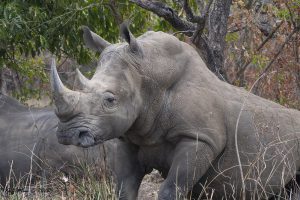
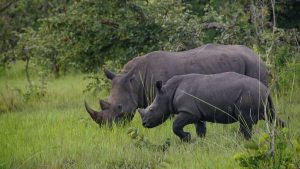
- Highlights: Rhino tracking at Ziwa, Big Five game drives and Nile boat cruise at Murchison Falls, chimpanzee tracking in Kibale, Queen Elizabeth wildlife, and Bwindi mountain gorilla trekking.
- Includes: Gorilla permit ($800 value), chimp permit, Ziwa rhino fees, park entrances, Nile boat cruise, 4×4 transport, full-board lodging, and expert guide.
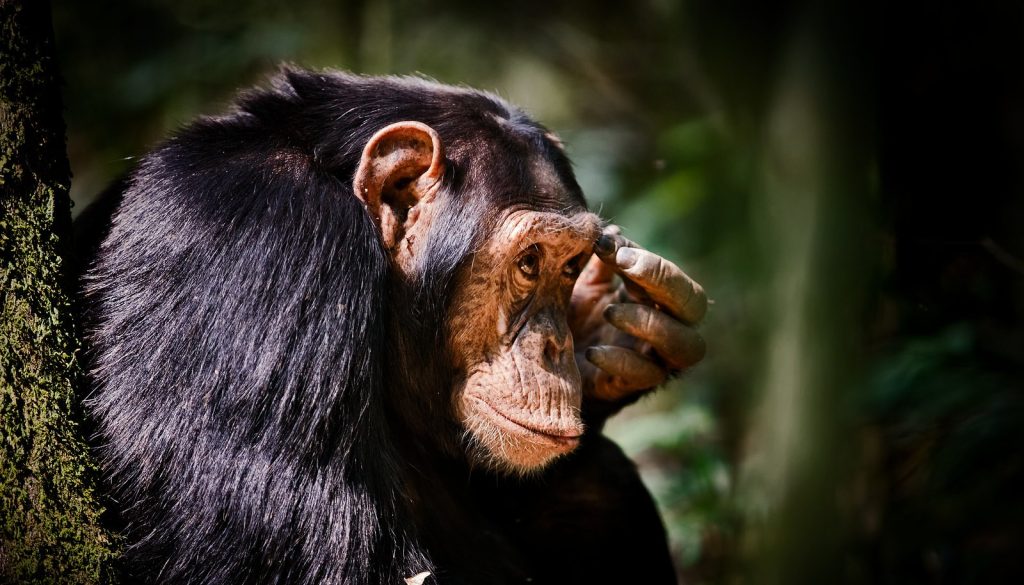
14-Day Uganda Cultural & Primate Safari
- Ideal For: Travelers wanting an immersive blend of authentic local community traditions, ancient heritage, and iconic East African wildlife highlights.
- Highlights: Royal palace and cultural heritage sites in Kampala, Karamojong and Ik community encounters in Kidepo Valley, Murchison Falls wildlife, Kibale chimpanzees, Bwindi mountain gorillas, and Batwa cultural forest walks.
- Includes: Gorilla permit ($800 value), chimp permit, cultural site fees, community experiences, park entrances, 4×4 transport, full-board lodging, and expert cultural guide.
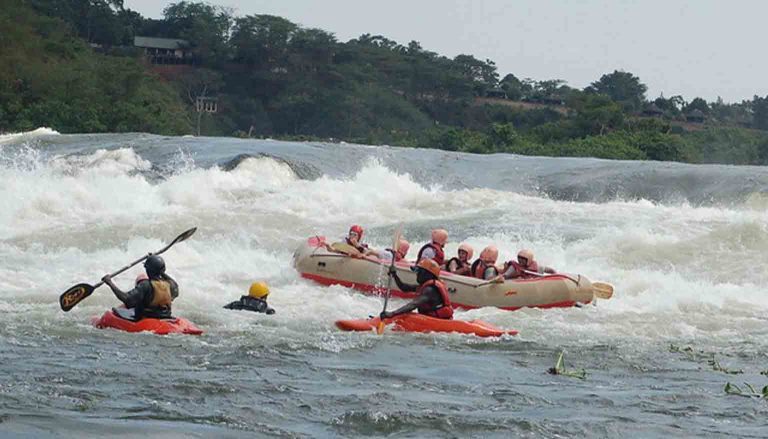
6-Day Uganda Adventure & Nile Experience
- Ideal For: Thrill-seekers and active travelers looking for an adrenaline-fueled journey combining Nile river adventures, wildlife viewing, and chimpanzee trekking.
- Highlights: White-water rafting, quad biking, and sunset cruise on the Nile in Jinja, Ziwa rhino tracking, Murchison Falls boat safari and top-of-the-falls hike, and Kibale chimpanzee tracking.
- Includes: Chimpanzee permit, Nile white-water rafting activity, Ziwa rhino fees, park entrances, Nile boat cruises, 4×4 transport, full-board lodging, and expert guide.
Bwindi Impenetrable National Park – Home of the Mountain Gorilla
A UNESCO World Heritage Site, Bwindi Impenetrable Forest harbors over half of the world’s remaining mountain gorilla population. Spanning four distinct trekking sectors—Buhoma, Ruhija, Rushaga, and Nkuringo—the park offers dense tropical flora, over 350 recorded bird species, and habituated gorilla families.
- Key Activities: Gorilla Trekking, Gorilla Habituation Experience (4 hours with gorillas), Batwa Cultural Forest Walks, Waterfalls Hiking.
- Where to Stay:
- Luxury: Clouds Mountain Gorilla Lodge, Sanctuary Gorilla Forest Camp, Mahogany Springs, Bisate Lodge Bwindi.
- Mid-Range: Buhoma Haven Lodge, Gorilla Leisure Lodge, Rushaga Gorilla Camp, Eco- Marvels Gorilla Resort.
- Camping / Budget: Continuous eco-campsites at Rushaga Gorilla Camp grounds, Ruhija Community Rest Camp, Buhoma Community Bandas.

Bwindi Impenetrable National Park – Home of the Mountain Gorilla
A UNESCO World Heritage Site, Bwindi Impenetrable Forest harbors over half of the world’s remaining mountain gorilla population. Spanning four distinct trekking sectors—Buhoma, Ruhija, Rushaga, and Nkuringo—the park offers dense tropical flora, over 350 recorded bird species, and habituated gorilla families.
- Key Activities: Gorilla Trekking, Gorilla Habituation Experience (4 hours with gorillas), Batwa Cultural Forest Walks, Waterfalls Hiking.
- Where to Stay:
- Luxury: Clouds Mountain Gorilla Lodge, Sanctuary Gorilla Forest Camp, Mahogany Springs, Bisate Lodge Bwindi.
- Mid-Range: Buhoma Haven Lodge, Gorilla Leisure Lodge, Rushaga Gorilla Camp, Eco- Marvels Gorilla Resort.
- Camping / Budget: Continuous eco-campsites at Rushaga Gorilla Camp grounds, Ruhija Community Rest Camp, Buhoma Community Bandas.
Queen Elizabeth National Park – The Medley of Wonders
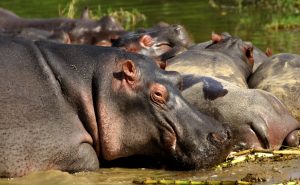
Framed by the jagged Rwenzori Mountains, Queen Elizabeth National Park features diverse ecosystems: open savanna, acacia woodland, wetlands, and crater lakes. The famous Kazinga Channel connects Lake George and Lake Edward, boasting one of the world’s highest concentrations of hippos and Nile crocodiles.
- Key Activities: Ishasha tree-climbing lion searches, boat safaris on Kazinga Channel, Kasenyi plains game drives, Kyambura Gorge chimpanzee tracking.
- Where to Stay:
- Luxury: Mweya Safari Lodge, Kyambura Gorge Lodge, Elephant Plains Lodge, Kasenyi Safari Camp.
- Mid-Range: Enganzi Game Lodge, Bush Lodge, Queen Elizabeth Park Safari Lodge.
- Camping / Budget: Mweya Public Campsite, The Bush Lodge Eco-Tents, Kazinga Channel View Resort camping grounds.
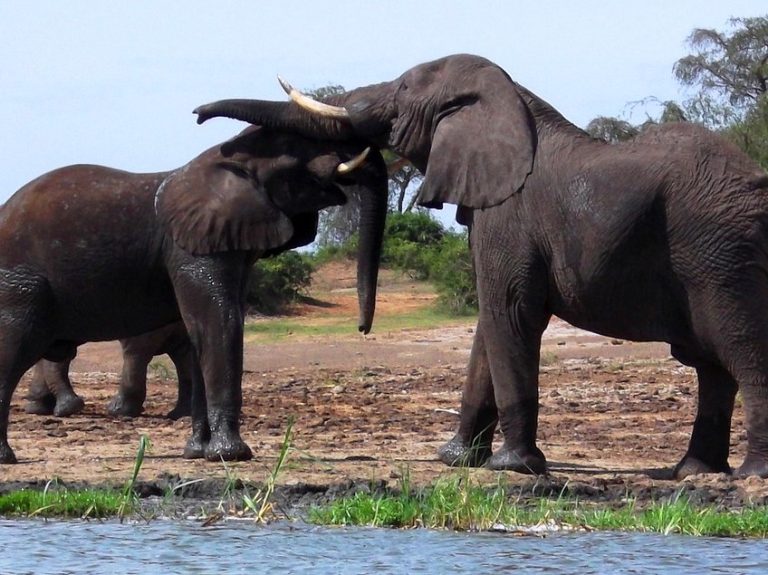
Murchison Falls National Park – The Roar of the Nile
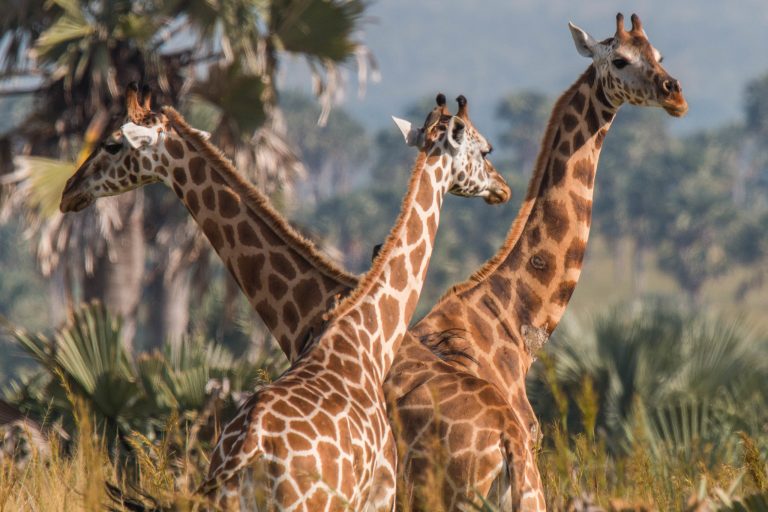
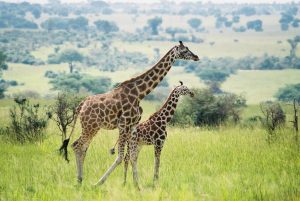
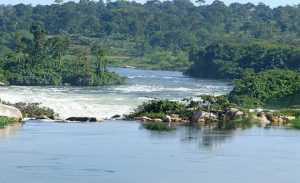
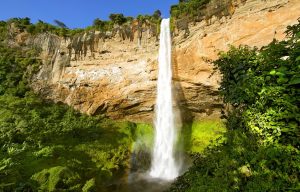
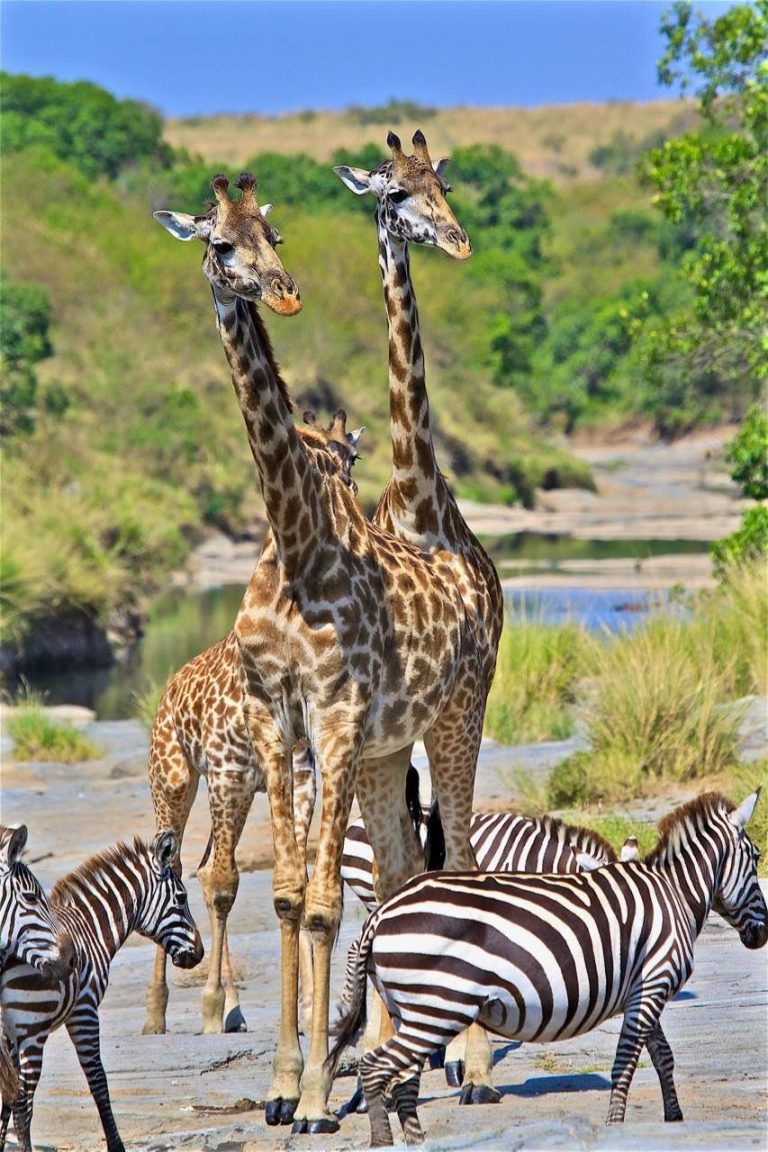
Uganda’s largest national park is bisected by the Victoria Nile. The river forces its way through a narrow 7-meter gorge before plunging 43 meters below, creating Murchison Falls. The northern bank offers classic savanna game viewing featuring large herds of Rothschild giraffes, elephants, lions, leopards, and buffaloes.
- Key Activities: Top-of-the-falls hikes, Nile River boat cruises to the base of the falls, delta shoebill stork cruises, hot air balloon safaris.
- Where to Stay:
- Luxury: Paraa Safari Lodge, Chobe Safari Lodge, Nile Safari Lodge, Bakers Lodge.
- Mid-Range: Pakuba Safari Lodge, Murchison River Lodge, Sambiya River Lodge.
- Camping / Budget: Red Chilli Hideaway Camping Ground, Shoebill Campsite, Boomu Women’s Group Eco-Bandas.
Kibale National Park – The Primate Capital of the World
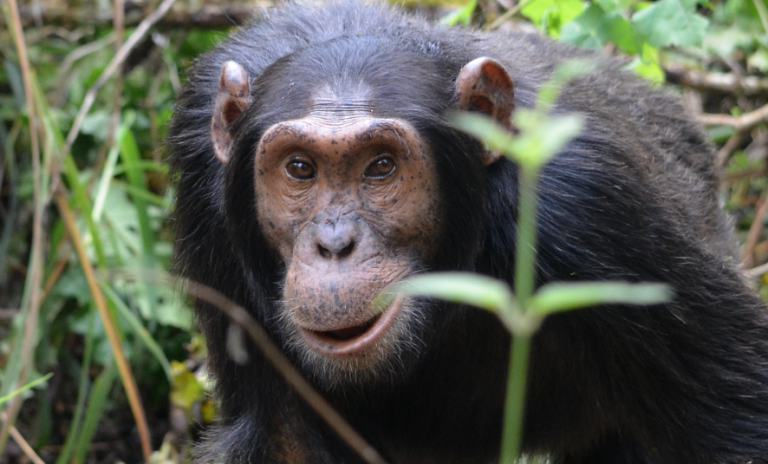
Kibale Forest contains the highest density and diversity of primates in Africa—13 distinct species, including over 1,500 habituated wild chimpanzees. It is also an avian paradise with species like the rare Green-breasted Pitta.
- Key Activities: Chimpanzee Trekking, Chimpanzee Habituation Experience (CHEX), Bigodi Wetland Sanctuary birding and swamp walks.
- Where to Stay:
- Luxury: Kyaninga Lodge, Primate Lodge Kibale, Ndali Lodge, Turaco Treetops.
- Mid-Range: Kibale Forest Camp, Isunga Lodge, Chimpanzee Forest Guest House.
- Camping / Budget: Kibale Forest Camp self-camping ground, Mantana Cultural Camp.
Kidepo Valley National Park – Africa’s Hidden Wilderness
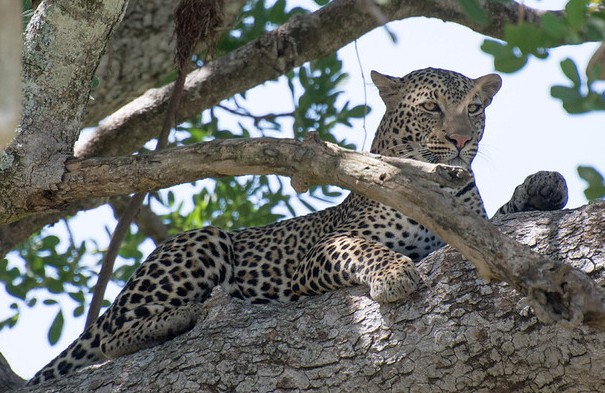
Located in Uganda’s far northeast border region with South Sudan and Kenya, Kidepo Valley features rugged savanna, dramatic mountain ranges, and immense wildlife herds. It is frequently ranked by international travel journalists as one of Africa’s finest wilderness destinations.
- Key Activities: Narus Valley game drives, Kanangorok Hot Springs exploration, Karamojong cultural village visits.
- Where to Stay:
- Luxury: Apoka Safari Lodge, Adere Safari Lodge.
- Mid-Range: Kidepo Savannah Lodge, Nga’Moru Wilderness Camp.
- Camping / Budget: Apoka Rest Camp Grounds (UWA public and wilderness campsites).
Lake Mburo National Park – The Whispers of the Wild
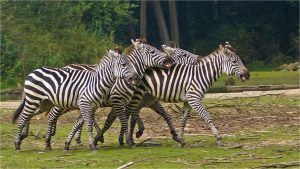
The closest national park to Kampala and Entebbe, Lake Mburo is characterized by rolling acacia hills, open lakes, and wetland systems. It is the best destination in Uganda to spot impalas, zebra herds, elands, and topi.
- Key Activities: Walking safaris, horseback riding safaris, night game drives, boat trips on Lake Mburo, mountain biking.
- Where to Stay:
- Luxury: Mihingo Lodge, Kigambira Safari Lodge.
- Mid-Range: Rwakobo Rock, Mpogo Safari Lodge.
- Camping / Budget: Eagle’s Nest Camp, UWA Public Campsites on the lakefront.
Booking your Uganda safari with Active Uganda Safaris is straightforward, safe, and transparent:
Fill out our quick online quote request form or email our safari reservation team. Share your preferred travel dates, group size, budget tier, and specific interests.
Within 12 to 24 hours, our local safari experts will send a detailed, customized day-by-day itinerary with itemized pricing, lodging details, and permit availability.
Upon confirming your itinerary, we issue a secure invoice. A deposit (covering full gorilla/chimpanzee permits and hotel reservations) locks in your spots.
Our driver-guide meets you at Entebbe International Airport (EBB) with a warm welcome and transfers you directly to your initial luxury lodge or hotel.
Let us craft your personalized dream safari through the Pearl of Africa.
Book a Uganda Wildlife Safari with UsUganda Safari Tours: Signature Experiences
The hallmark experiences of Uganda safaris and tours go far beyond standard game drives. The following activities define what makes a Ugandan safari genuinely extraordinary.
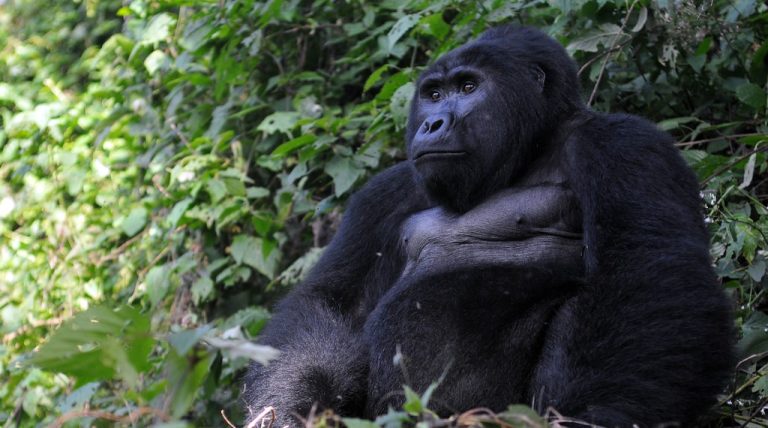
Gorilla Trekking — Uganda’s Crown Jewel Experience
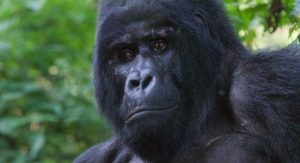
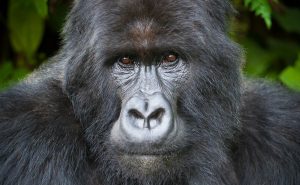
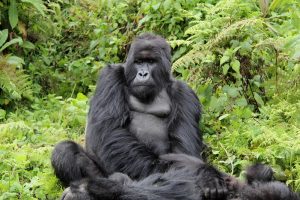
Tracking mountain gorillas in Uganda’s Bwindi or Mgahinga offers a profound wildlife encounter. Guided groups hike varied terrain to meet habituated families. At $800, permits are cheaper than Rwanda’s but must be booked early. Treks last 30 minutes to six hours; hiring local porters is highly recommended for assistance.
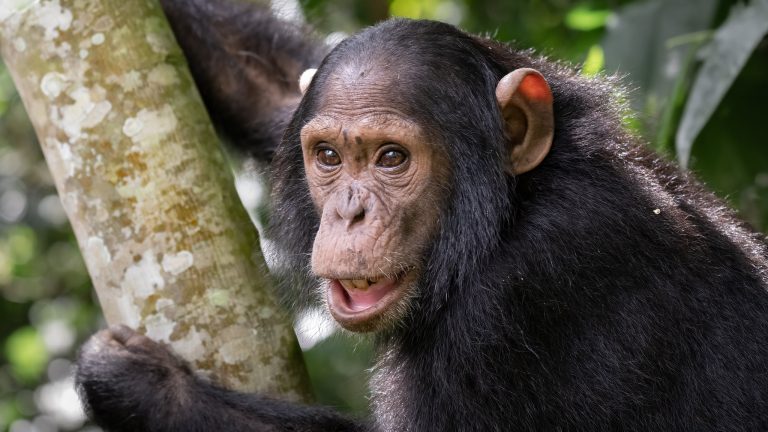
Chimpanzee Trekking & Habituation
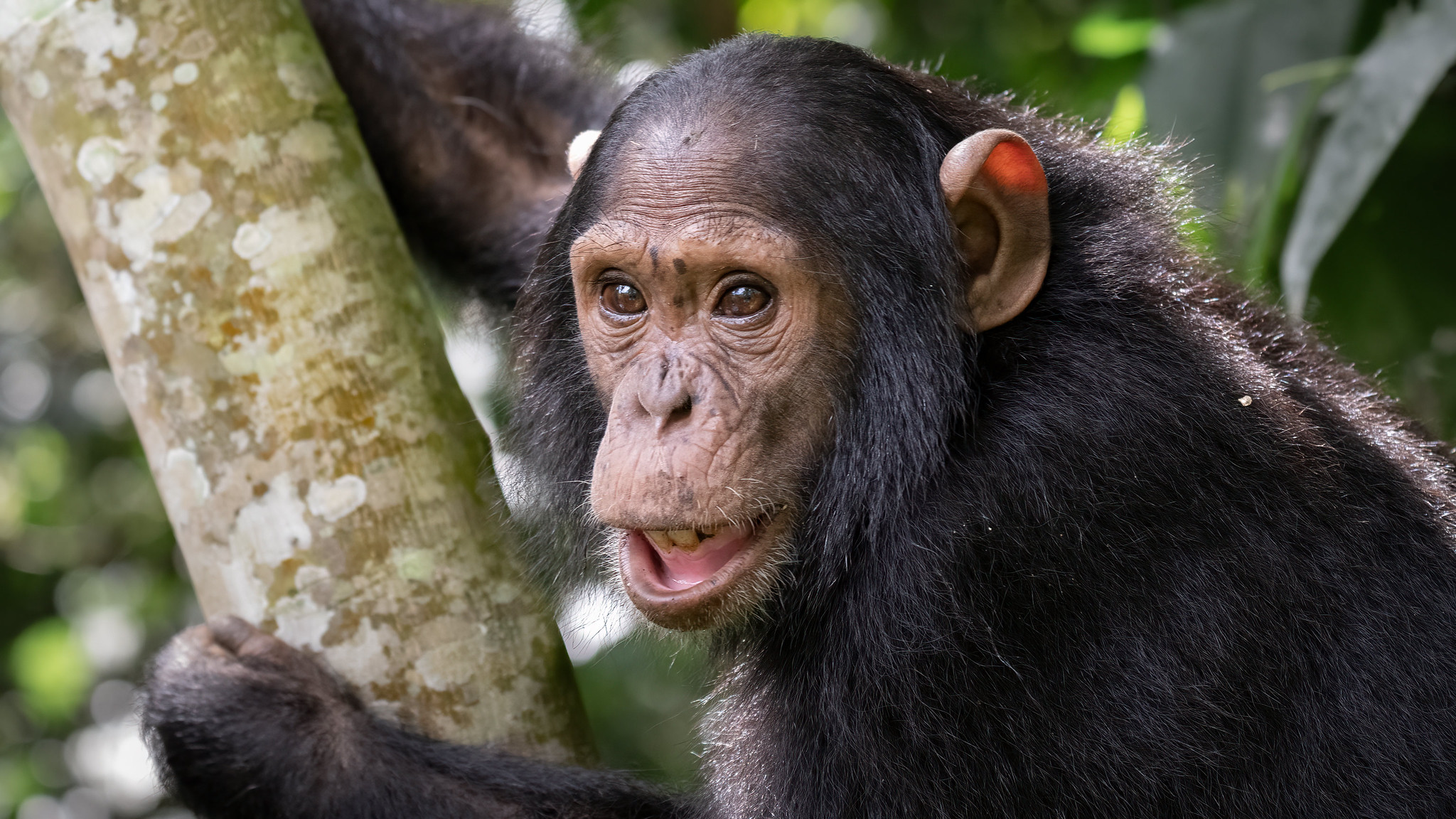
Kibale National Park’s Chimpanzee Habituation Experience offers a full day observing chimp communities hunting, socializing, and using tools alongside researchers. This provides deeper insights than standard one-hour treks, which are also available in Budongo Forest, Kyambura Gorge, and Kalinzu Forest Reserve.
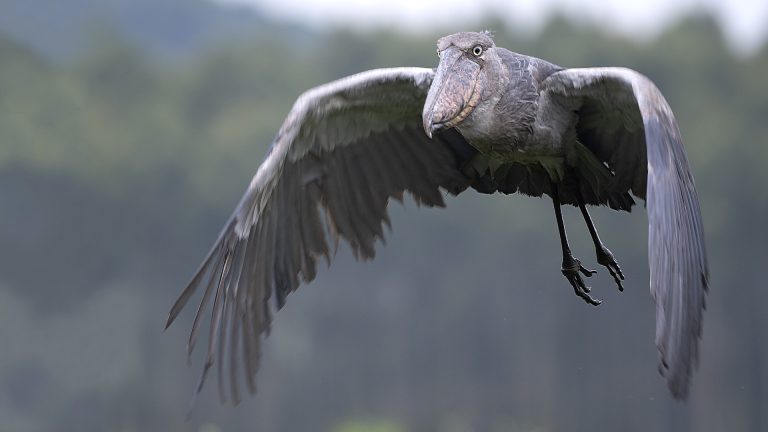
Shoebill Stork Encounters
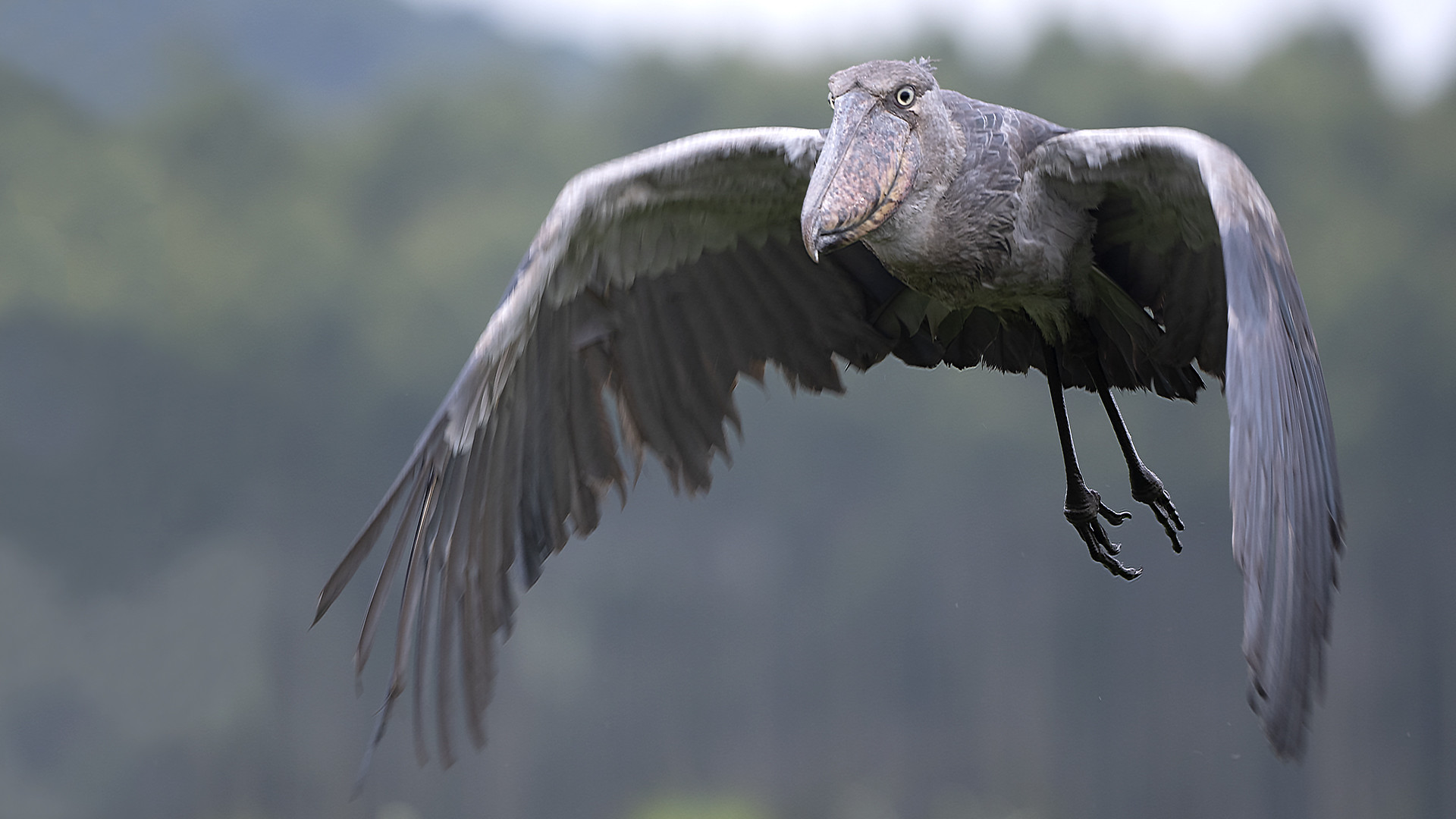
The shoebill stork — a prehistoric, dinosaur-like bird with a massive shoe-shaped bill — is one of Africa’s most sought-after species and a trophy sighting for birders worldwide. Uganda offers some of the most reliable shoebill encounters on the planet, particularly in the papyrus swamps of Mabamba Bay (Lake Victoria), the wetlands of Murchison Falls, and the Bangweulu-type swamps of the Albert Nile delta. A canoe trip through the papyrus marshes at dawn in search of this extraordinary bird is one of Uganda’s truly unforgettable experiences.
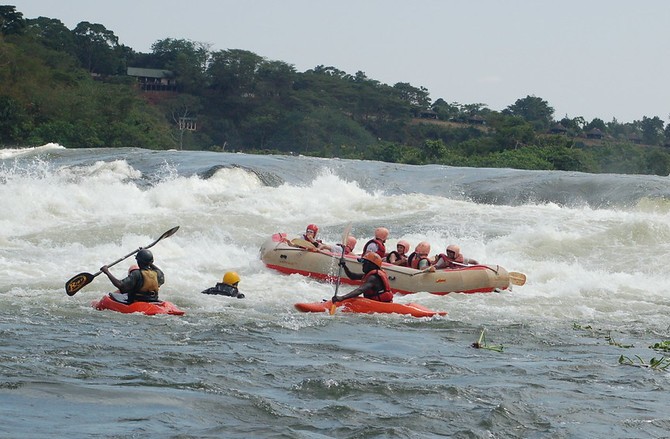
White-Water Rafting on the Nile
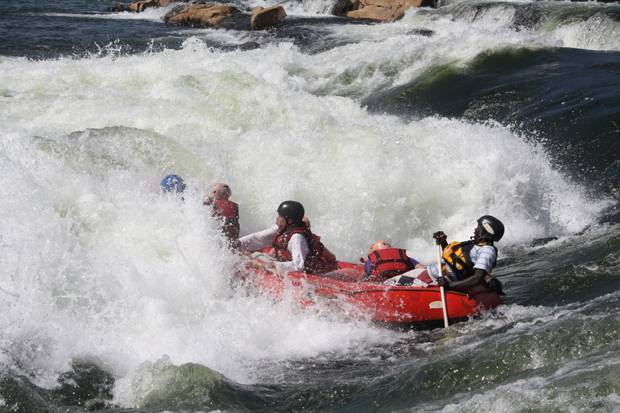
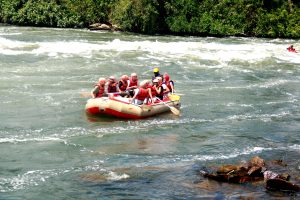
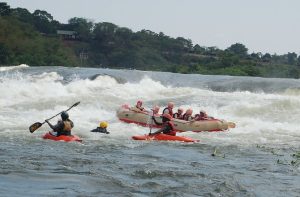
Jinja, the source of the River Nile, is East Africa’s adventure capital and offers some of the finest white-water rafting in the world. Grade 4 and 5 rapids on the mighty Nile provide an adrenaline-pumping contrast to the tranquillity of a bush safari. Uganda tours frequently combine a gorilla safari with a Nile adventure in Jinja, creating an itinerary that balances wildlife immersion with heart-pumping excitement. Kayaking, bungee jumping over the Nile, and quad biking round out Jinja’s adventure offerings.
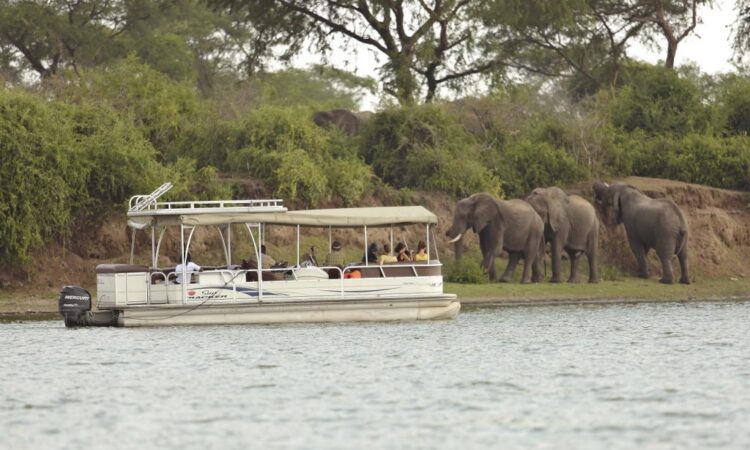
Boat Safaris & Nile Cruises
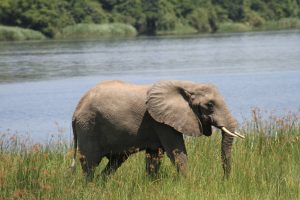
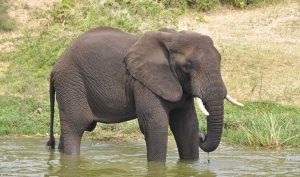
Some of Uganda’s most spectacular wildlife encounters occur on the water. The Kazinga Channel boat cruise in Queen Elizabeth National Park drifts past shores packed with hundreds of hippos, enormous Nile crocodiles, water buffalo, and vast flocks of waterbirds — African skimmers, pink-backed pelicans, pied kingfishers, and goliath herons among them. The Murchison Falls boat safari takes visitors upstream to the foot of the falls, where the spray-drenched cliffs are draped in rainbows and elephants drink at the river’s edge.
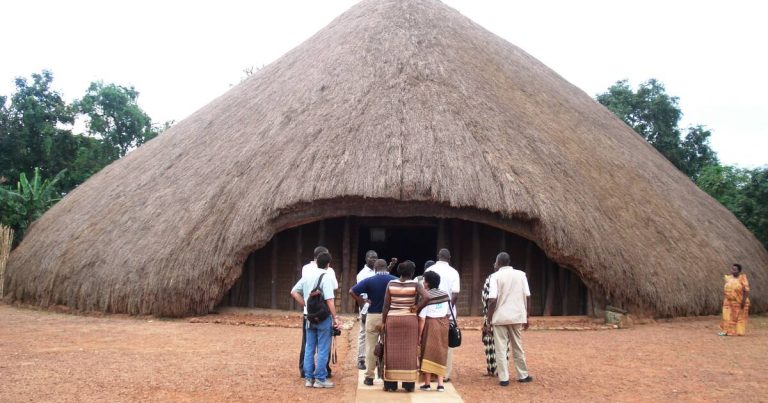
Cultural Tours & Community Experiences
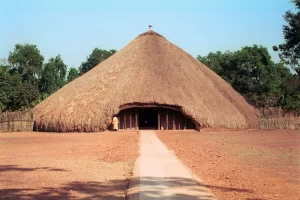
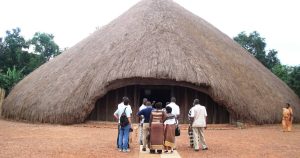
Uganda’s cultural experiences offer a window into centuries-old traditions. Visitors can hear oral history from the Batwa pygmy community near Bwindi, attend royal ceremonies at the UNESCO-listed Kasubi Tombs, or explore Kampala’s vibrant markets and music scene. Additionally, a visit to the Ndere Cultural Centre provides an exhilarating introduction to Ugandan dance, music, and storytelling.
Ready to Design Your Dream Uganda Safari?
Whether you are tracking mountain gorillas in Bwindi, chasing the Big Five across Murchison Falls, or planning a multi-country East African expedition, we craft every detail around your budget, style, and dates.
Types of Uganda Safaris We Offer
At Active Uganda Safaris, we understand that every traveler has different needs, interests, and budgets. That’s why we offer a comprehensive range of Uganda Safaris to suit every type of adventurer.
Luxury Uganda Safaris
For travelers who want the finest experience Uganda has to offer, our luxury Uganda Safaris feature premium lodges and tented camps, private vehicles with professional guides, gourmet dining, and exclusive access to prime wildlife viewing areas. Enjoy sundowners overlooking the savannah, spa treatments after a day of trekking, and five-star hospitality throughout your journey.
Budget and Midrange Uganda Safaris
Uganda Safaris don’t have to break the bank. Our budget and midrange packages offer excellent value without compromising on safety or quality, using comfortable guesthouses, midrange lodges, and shared group vehicles to keep costs manageable while still delivering unforgettable wildlife encounters.
Family Uganda Safaris
Traveling with children? Our family-friendly Uganda Safaris are designed with flexibility, comfort, and safety in mind, including family-sized accommodations, kid-friendly activities, and pacing that keeps young travelers engaged without exhaustion.
Honeymoon Uganda Safaris
Celebrate your new life together with a romantic honeymoon safari featuring private candlelit dinners, secluded luxury lodges, and intimate wildlife experiences. Our honeymoon Uganda Safaris are among our most requested packages, combining adventure with romance in equal measure.
Group and Corporate Uganda Safaris
Whether it’s a group of friends, a university club, or a corporate team-building retreat, we design group Uganda Safaris that balance adventure activities with opportunities for bonding, relaxation, and shared unforgettable memories.
Photography Uganda Safaris
Designed specifically for photography enthusiasts, these Uganda Safaris prioritize optimal lighting conditions, extended time at wildlife sightings, and access to Uganda’s most photogenic landscapes and animals, guided by drivers experienced in working with serious photographers.
Fly-In Uganda Safaris
For travelers short on time but not on ambition, our fly-in Uganda Safaris use domestic charter flights to connect major parks quickly, maximizing wildlife time and minimizing hours spent on the road.
Handpicked Uganda Safari Packages & Tours
Discover our top-rated, expert-curated Uganda safaris designed to show you the best of the Pearl of Africa. From unforgettable mountain gorilla trekking in Bwindi Impenetrable Forest and chimpanzee tracking in Kibale to classic Big Five game drives across Murchison Falls and Queen Elizabeth National Park, these featured itineraries deliver authentic, tailor-made wilderness adventures. Explore our most popular Uganda safari packages below and start planning your bucket-list journey today.
3 Days Murchison Falls Safari
3 Days Gorilla Trekking Bwindi NP
5 Days Uganda Big 5 Safari
10 Days Primates & Wildlife Safari
6 Days Primates Trekking Safari
7 Days Kidepo Wilderness Safari
.....
Packing List: For Both Game Drives and Primates / Gorilla Trekking
Uganda’s diverse ecosystems mean you will experience hot, dusty savannah plains one day and cool, muddy, high-altitude rainforests the next. Packing the right gear ensures you stay comfortable, protected, and fully focused on the wildlife.
1. Gorilla Trekking Essentials(Primates Packing List) (Bwindi Rainforest)
The dense jungle of Bwindi has no clear trails, can rain heavily at any moment, and features thick undergrowth with stinging nettles.
- Sturdy, Waterproof Hiking Boots: High-top boots with deep tread and strong ankle support are non-negotiable. Sneaker soles will slide instantly on wet, steep clay slopes. (Make sure to break them in before your trip!)
- Tough Gardening/Outdoor Gloves: You will constantly need to grab vines, thorny branches, and roots to balance yourself as you climb or slide through the brush. Thick gloves protect your hands from cuts and stinging nettles.
- Long Moisture-Wicking Trousers & Socks: Wear long pants and tuck them completely into your socks before entering the forest. This creates an airtight barrier that prevents stinging ants and creepy-crawlies from climbing up your legs.
- Lightweight Waterproof Rain Jacket/Poncho: Bwindi is a tropical rainforest; it can drizzle all day or downpour in seconds, even during the “dry” season.
- Medical Face Mask: To protect the mountain gorillas from human respiratory illnesses (like the common cold or flu), a face mask is mandatory to wear only during your actual 1-hour encounter with them.
Waterproof Daypack with Dry Bags: A small 20–30L backpack to carry your lunch box and water. Wrap your camera gear and phone inside zip-lock bags or small dry bags inside your pack to save them from sudden downpours.
2. Savannah Game Drives & Boat Cruises (Queen Elizabeth & Murchison Falls)
The savannah plains are generally warm, sunny, and can get quite dusty during open-roof drives.
- Neutral-Colored, Lightweight Clothing: Pack breathable khakis, light browns, olives, and greens.
⚠️ Colors to Avoid: Do not pack bright blue or black clothing, as these colors actively attract tsetse flies (which have a nasty sting). Avoid camouflage patterns, as camouflage clothing is legally reserved for the military/rangers in Uganda.
- Wide-Brimmed Sun Hat & Sunglasses: The equatorial sun is incredibly strong, especially during mid-day game drives and boat cruises on the Nile or Kazinga Channel.
- Light Fleece or Windbreaker Jacket: Early morning game drives start before sunrise (~6:00 AM) when the savannah air is surprisingly chilly. Dressing in layers allows you to shed layers as the afternoon heats up.
- Comfortable Sneakers or Trail Runners: You do not need heavy hiking boots for the savannah. Lightweight, breathable shoes are perfect for traveling in the vehicle and stepping out at flat designated viewpoints.
3. General Safari Equipment & Personal Care
- Binoculars (8×42 or 10×42): Absolutely essential. While predators are often close, binoculars make a massive difference when spotting tree-climbing lions, distant leopards, or Uganda’s 1,000+ spectacular bird species.
- Camera Gear (No Flash): Bring a decent zoom lens (70-200mm or 100-400mm) and plenty of extra memory cards. Note: Flash photography is strictly forbidden near gorillas and chimpanzees as it agitates them.
- High-Output Power Bank: Some remote eco-lodges run entirely on solar power and turn off their main generators overnight. A sturdy power bank ensures your devices and camera batteries charge fully.
- High-DEET Insect Repellent & High-SPF Sunscreen: Apply repellent generously around ankles and wrists to deter mosquitoes and flies.
- UK-Style Square Three-Pin Plug Adapter: Uganda uses Type G electrical outlets (240V AC).
- US Dollars Cash (Clean & Crisp): Bring physical USD cash for tipping guides/porters and buying local souvenirs.
Trip Inclusions & Exclusions: A List of Services and Items Generally Excluded From a Uganda Safari Package
To help you plan effectively, here is a general overview of what is fully covered in your estimated package range and what you will need to budget for separately.
What is Included:
- Permits & Park Access: Official Mountain Gorilla Tracking Permits for Bwindi Impenetrable National Park ($800 value per permit) and all daily conservation entry fees for named national parks.
- Activities & Boat Cruises: Scheduled boat launch cruises (such as the Kazinga Channel or the base of Murchison Falls) as detailed in your selected itinerary template.
- Transport & Logistics: Unlimited mileage in a private, customized 4×4 Safari Land Cruiser or specialized safari vehicle equipped with a pop-up roof for optimal wildlife viewing.
- Professional Driver-Guide: Full-time services of an experienced, licensed local English-speaking driver-guide, including all their daily welfare, meals, and accommodation allowances.
- Accommodation & Meals: All overnight stays at your selected accommodation tier (Budget, Mid-Range, Luxury, or Ultra-Luxury) on a Full Board basis (Breakfast, Lunch, and Dinner).
- Fuel & En-Route Transit: All safari-related fuel charges, toll fees, and regulatory en-route operational fees.
- Bottled Water: Complimentary mineral water provided inside the safari vehicle throughout the entire road trip.
What is Excluded:
- International Flights: Return international flights to and from Entebbe International Airport (EBB).
- Visa Fees: Mandatory Uganda Tourist Visas (or East African Tourist Visas) obtained online prior to arrival.
- Travel & Medical Insurance: Comprehensive personal travel insurance, trip cancellation protection, and emergency medical evacuation cover (highly recommended).
- Premium Drinks: Alcoholic beverages, sodas, and specialized premium drinks at the safari lodges (unless specified by high-end luxury properties).
- Tips & Gratuities: Tips for your professional driver-guide, park rangers, gorilla trackers, and lodge hospitality staff.
Uganda Adventure, Culture & Wildlife Tours & Safaris Combined
At Active Uganda Safaris, we believe a true African vacation should be experienced, not just watched. Uganda’s diverse landscapes change by the hour—shifting from dense primate rainforests to wide open savannah paths and rushing river rapids. To help you design an unforgettable journey, our interactive tour planner lets you seamlessly combine Uganda’s three flagship safari experiences into your own custom itinerary:
- Pulse-Pounding Adventures: Take on the legendary Victoria Nile in Jinja with world-class Grade 5 white-water rafting, go river tubing at the Source of the Nile, or head out for rugged quad biking and ziplining through lush forest canopies.
- Immersive Cultural Tours: Dive straight into the deep history of Uganda’s historic kingdoms and vibrant capital. Track the paths of local kings at Mengo Palace, explore Kampala’s heritage sites, and experience the thunderous drumming and high-energy storytelling dances at the Ndere Cultural Centre.
- Epic Wildlife & Primate Safaris: Track the iconic Big Five across the golden plains of Murchison Falls and Queen Elizabeth National Parks, seek out the famous tree-climbing lions of Ishasha, or hike into the ancient jungles of Bwindi Impenetrable Forest for a life-changing encounter with endangered mountain gorillas.
Use Our Interactive Safari Price Builder
Select your destination combination, enter your group size, and pick an accommodation tier below. Our system will immediately calculate a real-time price estimate for your group—instantly factoring in private 4×4 safari vehicle transport, dedicated driver-guide logistics, park entries, and precise activity permit costs.
...
Looking ONLY for Gorilla & Primates Trekking Packages?
Want a Deep-Dive Wildlife Itinerary?
Planning a Cross-Border East African Journey?
Uganda Safari Packages
Explore Our Core Safari Collections
We have organized our tours by ‘Travel Style’ to help you find the perfect match for your interests.
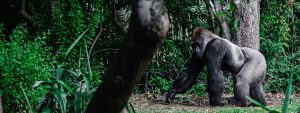
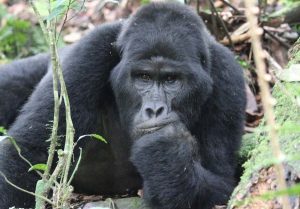
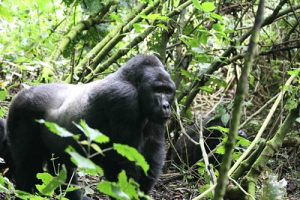
The jewel of any Ugandan journey is the chance to stand feet away from the endangered Mountain Gorilla. Our primate-focused packages take you into the heart of Bwindi Impenetrable Forest and Kibale National Park.
- Top Experiences: Gorilla Trekking, Chimpanzee Habituation, and Golden Monkey tracking.
- Why Book This? Perfect for travelers seeking a deep connection with nature and our closest relatives.
Featured Gorilla Safari Packages
2. Classic Savannah & Big Game Safaris
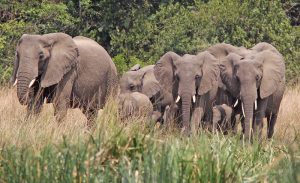
Experience the grandeur of the African plains. Our savannah packages focus on the “Big Five” and the unique wildlife found only in the Albertine Rift.
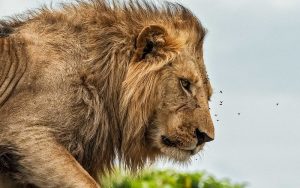
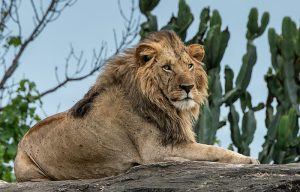
- Top Experiences: Tree-climbing lions in Ishasha, boat cruises on the Kazinga Channel, and the powerful Murchison Falls.
- Why Book This? Ideal for families and photography enthusiasts looking for lions, elephants, and giraffes.
Short Days Safaris -(Day Trips: 1-4 Days Safaris)
3. Adventure, Hiking & Cultural Expeditions
For those who want to move beyond the safari vehicle, these packages offer physical challenges and authentic cultural immersion.
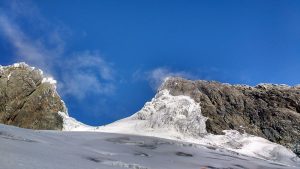
- Top Experiences: Scaling the Rwenzori “Mountains of the Moon,” white-water rafting in Jinja, and Batwa heritage trails.
- Why Book This? For the adrenaline seeker and the culturally curious traveler.



Safaris in Uganda have grown dramatically in reputation and infrastructure over the past decade. Luxury lodges, expert guides, well-maintained national parks, and a stable tourism environment have transformed the country into one of Africa’s premier wildlife destinations. Yet it remains blissfully uncrowded compared to Kenya or Tanzania, meaning you can enjoy game drives, gorilla treks, and boat safaris with a sense of exclusivity that is increasingly rare on the continent.
This comprehensive guide covers everything you need to know about Uganda tours, Uganda safaris and tours, the best national parks, top wildlife experiences, ideal travel seasons, practical planning tips, and the extraordinary reasons why Uganda should be at the top of your African adventure wish list.
Key Reasons Uganda Safaris Stand Out
Gorilla Trekking
Exceptional Birding
Big Five and Beyond
Authentic & Uncrowded
Incredible Value
Cultural Richness
Best Time to Go on Uganda Safaris
One of the great advantages of Uganda as a safari destination is that it can be visited year-round, but understanding seasonal patterns will help you plan the best possible Uganda Safaris experience.
Dry Seasons (December to February and June to September) These months offer the most favorable trekking and game-viewing conditions, with drier trails, easier hiking in gorilla habitat, and wildlife congregating around water sources, making sightings more predictable. This is the peak season for Uganda Safaris, so booking gorilla permits and accommodation well in advance is essential.
Wet Seasons (March to May and October to November) The rainy seasons bring lush green landscapes, fewer crowds, discounted rates at many lodges, and excellent birdwatching as migratory species arrive. Trekking can be muddier and more physically demanding, but wildlife viewing remains excellent, and the dramatic scenery is a photographer’s dream. Many experienced travelers actually prefer Uganda Safaris during these quieter shoulder months.
Regardless of when you travel, Uganda’s location near the equator means temperatures remain relatively mild and consistent throughout the year, making it a comfortable destination for Uganda Safaris in any season.
Frequently Asked Questions About Uganda Safaris
How much do Uganda Safaris cost? The cost of Uganda Safaris varies significantly depending on trip length, accommodation level, and whether gorilla trekking is included. Budget safaris can start from a few hundred dollars per day, while luxury itineraries with gorilla permits can range higher. Contact us for a personalized, no-obligation quote.
How many days do I need for Uganda Safaris? While a 3-day gorilla trekking safari is possible, most travelers find that 5 to 10 days allows a much richer experience, combining primates with classic game drives and boat safaris. Our 14-day itineraries offer the most comprehensive exploration of Uganda’s highlights.
Is Uganda safe for tourists? Yes. Uganda is widely regarded as one of the more politically stable and welcoming countries in East Africa for tourism. Our Uganda Safaris prioritize guest safety at every stage, from vetted accommodations to trained, professional drivers and guides.
When should I book my gorilla trekking permit? Because permits are limited and in high demand, we recommend booking as early as possible — ideally 3 to 6 months ahead of travel, and even further in advance for peak season dates.
Can I combine Uganda Safaris with Rwanda or Kenya? Absolutely. Many of our guests combine Uganda with neighboring Rwanda for additional gorilla trekking opportunities, or with Kenya for an extended East African adventure. Ask our team about multi-country itineraries.
What is the best time of year for Uganda Safaris? The dry seasons (December–February and June–September) offer the easiest trekking conditions and most predictable wildlife viewing, though Uganda is a rewarding destination year-round.
Do I need to be extremely fit to go gorilla trekking? No, but a reasonable level of fitness helps. Treks can range from a short, easy walk to several hours of hiking on uneven terrain. Porters are available to assist trekkers of any fitness level.
There is no experience quite like standing meters away from a wild mountain gorilla, watching the sun set over the Kazinga Channel as hippos call in the distance, or drifting down the Nile River past herds of elephants at the water's edge. This is the magic of Uganda Safaris, and it is waiting for you.
Active Uganda Safaris has built its reputation on delivering safe, authentic, expertly guided, and unforgettable Uganda Safaris to travelers from around the world. From the moment you reach out to us to the moment you reluctantly board your flight home, our team is dedicated to making your Uganda adventure everything you've dreamed of — and more.
Don't just dream about Africa. Experience it. Contact Active Uganda Safaris today to start planning your custom Uganda Safaris itinerary, secure your gorilla trekking permits, and take the first step toward the adventure of a lifetime in the Pearl of Africa.
Book a Uganda Wildlife Safari with Us