
Book Your Gorilla Trekking Safari in Uganda: Permits, Prices & Itineraries
Uganda is home to more than half of the world’s remaining mountain gorilla population. Preserved within ancient rainforests and volcanic slopes, a gorilla trekking safari in Uganda is widely regarded as one of the most thrilling wildlife experiences on Earth.
Unlike captive wildlife experiences, gorilla trekking takes you deep into the wild untamed habitats of these gentle giants. Here is why thousands of international travelers choose Uganda every year:
- Affordability: At $800 USD, Uganda’s gorilla permit is significantly more affordable than neighboring Rwanda ($1,500 USD), offering identical high-quality conservation standards and unforgettable encounters.
- Two Unique National Parks: You can trek in either Bwindi Impenetrable National Park (a UNESCO World Heritage Site with over 20 habituated family groups) or Mgahinga Gorilla National Park (part of the dramatic Virunga Massif).
- Gorilla Habituation Experience: Uganda is the only country in the world where visitors can participate in a Gorilla Habituation Experience, spending up to 4 full hours in the presence of wild gorillas alongside researchers and trackers.
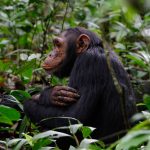
- Rich Biodiversity: Uganda allows you to combine mountain gorilla trekking with chimpanzee tracking in Kibale Forest, classic game drives in Queen Elizabeth National Park, tree-climbing lions in Ishasha, and boat cruises along the Kazinga Channel or Murchison Falls.
Section 2: Gorilla Trekking Permits & Pricing Breakdown
Securing a gorilla trekking permit is the single most critical step in planning your Uganda safari. Permits are issued directly by the Uganda Wildlife Authority (UWA) and are strictly limited in quantity per day to protect the gorillas and their natural ecology.
Standard Gorilla Trekking Permits
A standard gorilla permit allows you 1 full hour with a habituated gorilla family once located.
- Foreign Non-Residents: USD $800 per person
- Foreign Residents (with valid work/residency permit): USD $700 per person
- Rest of Africa Residents: USD $500 per person
- East African Community Citizens (Uganda, Kenya, Tanzania, Rwanda, Burundi, South Sudan, DRC): UGX 300,000 per person
Exclusive Gorilla Habituation Permits in Uganda
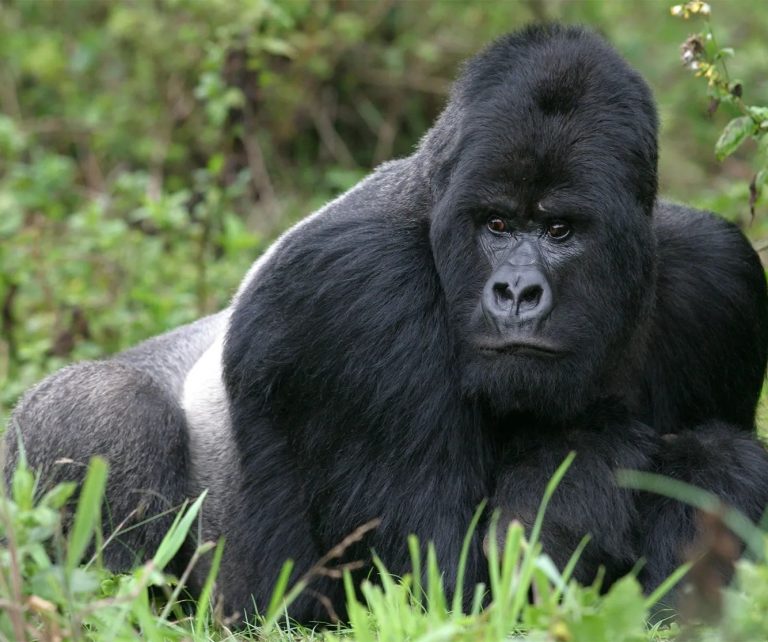
The Gorilla Habituation Experience offers an extraordinary primate adventure in Bwindi Impenetrable National Park’s southern sectors, Rushaga and Nkuringo. This exclusive conservation tour allows visitors to join expert trackers, researchers, and park rangers for up to four hours with a wild mountain gorilla family. Unlike standard trekking, you directly observe and participate in the multi-year process of acclimating these magnificent primates to human presence.
Official Permit Pricing:
- Foreign Non-Residents: USD $1,500 per person
- Foreign Residents: USD $1,000 per person
- East African Citizens: UGX 750,000 per person
Due to strict conservation guidelines, only four permits are issued per gorilla group daily. Reserve your Uganda Wildlife Authority permit early to secure this rare wildlife encounter!
What Is Included in the Permit Price?
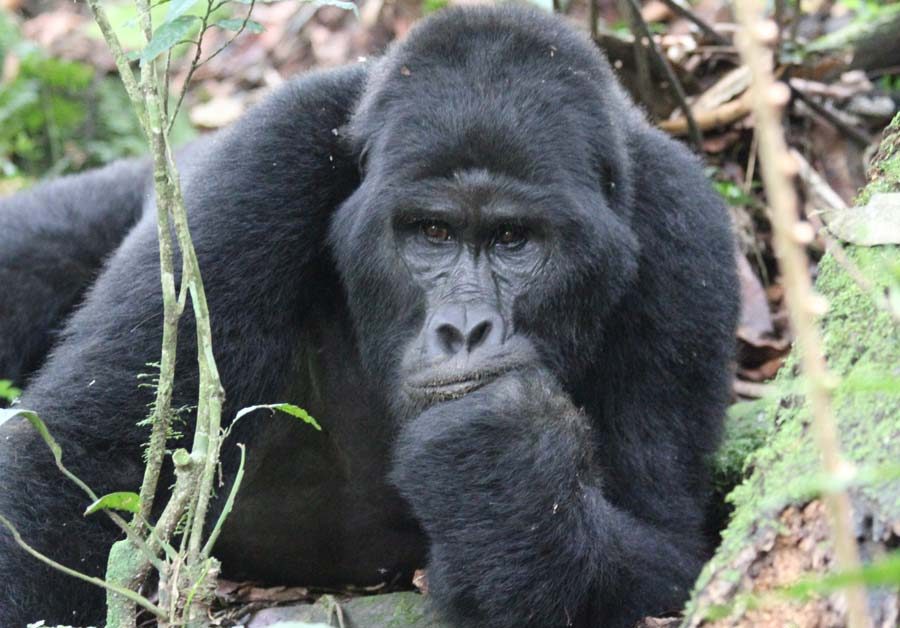
- UWA park entry fees for the trekking day.
- Expert, armed Uganda Wildlife Authority rangers and trackers.
- Advance tracker teams that go ahead to locate the gorillas.
- Security throughout the trek inside the national park.
- 1 hour (or 4 hours for habituation) in close contact with mountain gorillas.
- An official UWA Gorilla Trekking Certificate upon completion.
Essential Permit Guidelines & Booking Rules
- Advance Booking: Book your permit 3 to 6 months in advance for low season (March–May, October–November) and 6 to 12 months in advance for high season (June–September, December–February).
- Age Requirement: The absolute minimum age for gorilla trekking in Uganda is 15 years old.
- Passport Requirement: Your passport must be valid for at least 6 months beyond your travel dates. The UWA permit is non-transferable and linked strictly to your passport number.
| Region / Sector | Key Features & Key Highlights |
|---|---|
| North: Buhoma Sector | Easiest access, high-end luxury lodges |
| East: Ruhija Sector | Higher elevation, bird watching, cool climate |
| South: Rushaga & Nkuringo Sectors | Dramatic scenery, habituation experience, steep terrain |
| South-West: Mgahinga Gorilla National Park | Volcanic slopes, Nyakagezi group, golden monkeys |
Section 3: Bwindi Sectors & Mgahinga – Where to Trek and Stay
Bwindi Impenetrable National Park is divided into four distinct trekking sectors, each with its own gorilla families, terrain, accessibility, and lodge options. Knowing where your permit is booked is essential because you must select accommodation within or close to that specific sector.
1. Buhoma Sector (Northern Bwindi)
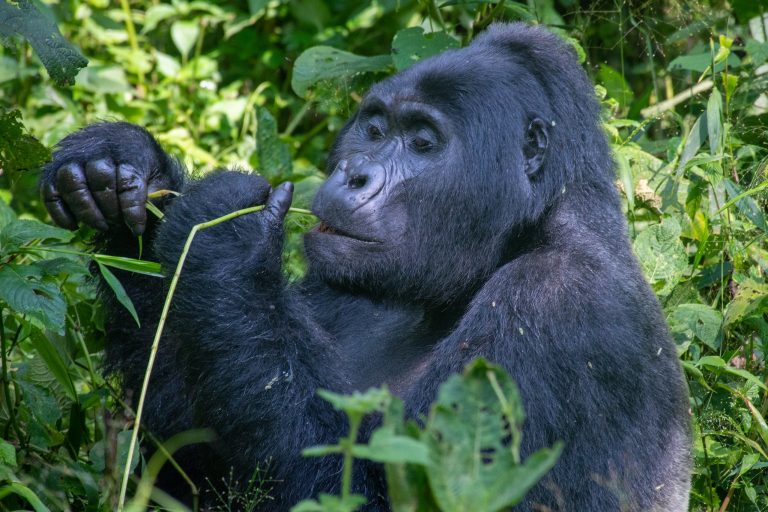
Buhoma is the oldest, most established sector of Bwindi and was the site of the very first commercial gorilla trek in 1993 (Mubare group). It features relatively gentler slopes and easier trekking routes compared to the southern sectors.
- Habituated Gorilla Families: Mubare, Rushegura, Habinyanja, Katwe, Muyambi.
- Key Features: Proximity to Kihihi Airstrip for fly-in safaris, excellent community walks (Batwa & local village initiatives), luxury hospitality options.
Recommended Lodges in Buhoma
- Luxury: Sanctuary Gorilla Forest Camp, Mahogany Springs Lodge, Volcanoes Bwindi Lodge, Clouds Mountain Gorilla Lodge (Buhoma side).
- Mid-Range: Buhoma Haven Lodge, Silverback Lodge, Ride 4 a Woman Cottages.
- Budget: Buhoma Community Rest Camp, Bwindi Community Guest House.
2. Ruhija Sector (Eastern Bwindi)
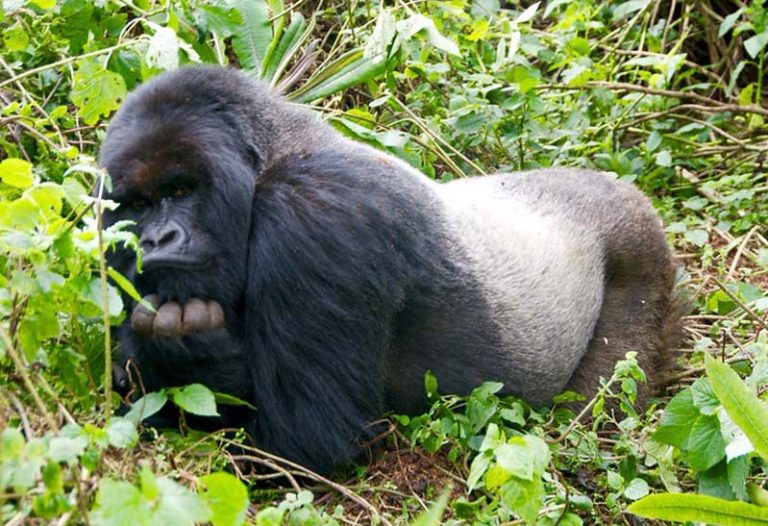
Located at a higher altitude in eastern Bwindi, Ruhija offers cooler temperatures, breathtaking ridge views, and some of the finest birdwatching in East Africa (including the African Green Broadbill).
- Habituated Gorilla Families: Bitukura, Oruzogo, Kyaguriro, Mukiza.
- Key Features: Cooler climate, scenic mountain vistas, ideal connection to Lake Bunyonyi and Queen Elizabeth National Park.
Recommended Lodges in Ruhija
- Luxury / High-End: Agandi Uganda Ecolodge, Kiho Gorilla Safari Lodge.
- Mid-Range: Bakiga Lodge, Ruhija Gorilla Safari Lodge.
- Budget: Broadbill Forest Camp, Gorilla Mist Camp.
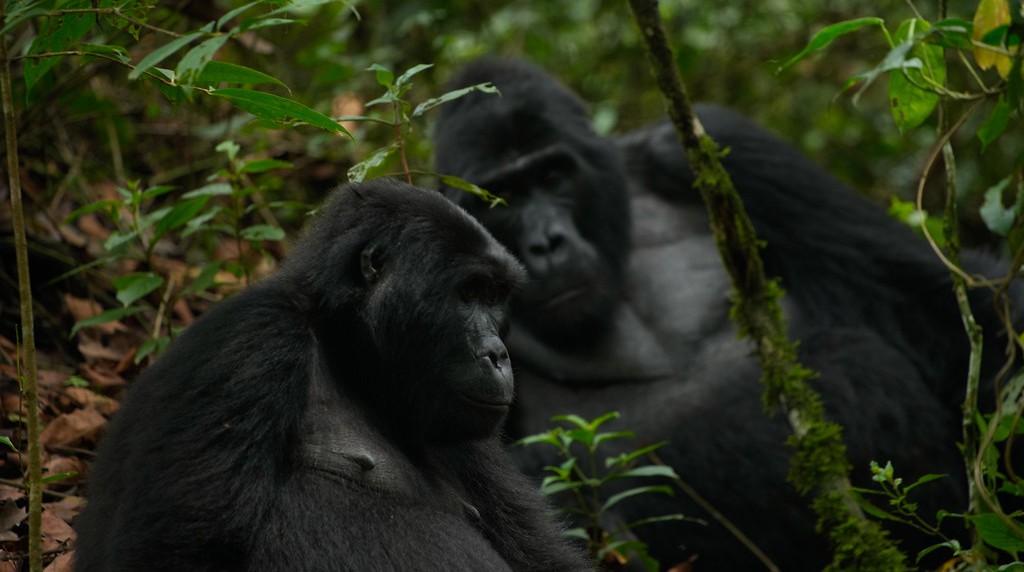
3. Rushaga Sector (Southern Bwindi)
Rushaga hosts the largest concentration of habituated gorilla families in Bwindi. It is also the exclusive hub for the Gorilla Habituation Experience.
- Habituated Gorilla Families: Nshongi, Mishaya, Kahungye, Bweza, Busingye, Mucunguzi, Bikyingi, Rwingo.
- Key Features: High permit availability, habituation opportunities, magnificent views of the Virunga Volcanoes, close proximity to the Cyanika border crossing from Rwanda.
Recommended Lodges in Rushaga
- Luxury: Four Gorillas Lodge, Chameleon Hill Lodge (Lake Mutanda area).
- Mid-Range: Rushaga Gorilla Lodge, Ichumbi Gorilla Lodge, Gorilla Leisure Lodge.
- Budget: Rushaga Gorilla Camp, Gorilla Valley Lodge.
4. Nkuringo Sector (Southern Bwindi)
Nkuringo sits on a high ridge overlooking the Bwindi canopy and the imposing Virunga Volcanoes. It is famous for providing one of the most physically demanding yet deeply rewarding treks.
- Habituated Gorilla Families: Nkuringo, Christmas, Posho, Bushaho.
- Key Features: Panoramic vistas, high altitude, physical challenge, luxury eco-accommodations.
Recommended Lodges in Nkuringo
- Luxury: Clouds Mountain Gorilla Lodge, Nkuringo Bwindi Gorilla Lodge.
- Mid-Range: Gorilla Heights Lodge.
- Budget: Mutanda Lake Resort (nearby), Crested Crane Bwindi Hotel.
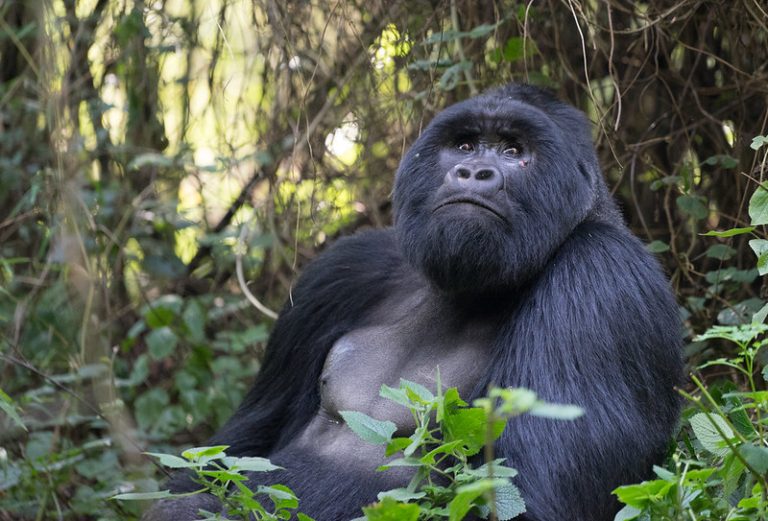
5. Mgahinga Gorilla National Park
Located in far southwestern Uganda near Kisoro, Mgahinga forms part of the greater Virunga Transboundary Conservation Area. It is home to the famous Nyakagezi Gorilla Family, known for its unusually large group size and calm behavior.
- Habituated Gorilla Families: Nyakagezi Group.
- Key Features: Stunning volcanic hikes (Mount Sabinyo, Mount Gahinga, Mount Muhabura), Golden Monkey tracking, rich Batwa cultural experiences.
Recommended Lodges near Mgahinga
- Luxury: Mount Gahinga Lodge (Volcanoes Safaris).
- Mid-Range: Mucha Hotel, Ikoro Gorilla Safari Lodge.
- Budget: Traveler’s Rest Hotel Kisoro, Amajambere Iwacu Community Camp.
Section 4: Recommended Uganda Gorilla Safari Packages
Below are our top-rated, field-tested gorilla trekking safari itineraries. Each package is customizable to your budget, time constraints, and travel style.
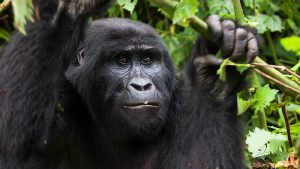
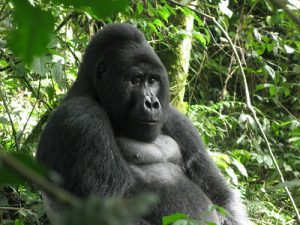
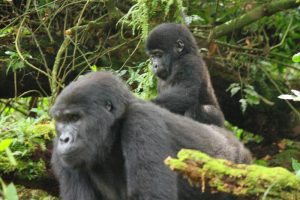
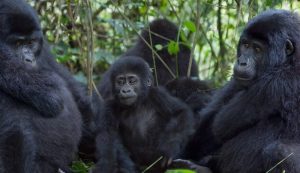
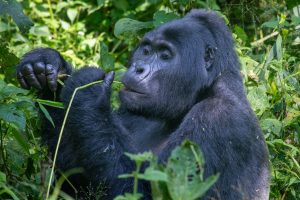
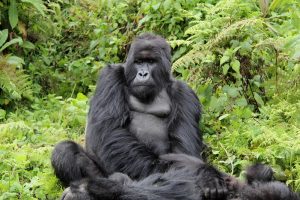
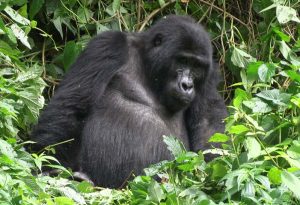
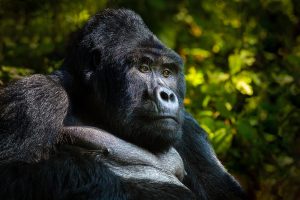
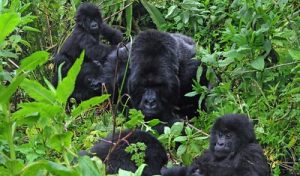
Gorilla Habituation Safaris
- Best For: Dedicated wildlife photographers, researchers, and serious enthusiasts.
- Highlights: Option for two standard gorilla treks in different sectors OR 1 four-hour Gorilla Habituation Experience in Rushaga.
Section 6: When to Go – Best Time for Gorilla Trekking in Uganda
Gorilla trekking is a year-round activity in Uganda, but weather conditions vary significantly across seasons:
| Season | Months | Climate & Trail Conditions | Advantage |
|---|---|---|---|
| Peak Dry Season | June to September | Drier forest trails, lower humidity, minimal rainfall. | Best walking conditions, easiest trekking. |
| Secondary Dry Season | December to February | Clear skies, moderate rainfall, great photo lighting. | Ideal for combining gorilla treks with game drives. |
| Low/Wet Season | March to May | Heavy rains, slippery muddy trails, dense foliage. | Less crowded, photography is green/lush, lower lodge rates. |
| Secondary Wet Season | October to November | Intermittent rain showers, moderate foliage. | Beautiful landscapes, high permit availability. |
Section 7: How to Get to Bwindi & Mgahinga
Option A: Direct Drive from Kampala / Entebbe
- Duration: 8 to 9 hours scenic drive.
- Route: Entebbe/Kampala → Masaka → Mbarara → Kabale/Kisoro → Bwindi/Mgahinga.
- Highlights: Cross the Equator line, view rolling green hills, traditional farms, and volcanic landscapes.
Option B: Domestic Scheduled Flight (Fly-In Safari)
- Duration: 1 hour 15 minutes flight time.
- Airlines: Aerolink Uganda, Bar Aviation.
- Departure: Entebbe International Airport (EBB).
- Arrival Airstrips: Kihihi Airstrip (for Buhoma & Ruhija sectors) or Kisoro Airstrip (for Rushaga, Nkuringo, and Mgahinga).
Option C: Direct Border Crossing from Kigali, Rwanda
- Duration: 4 to 5 hours drive.
- Route: Fly into Kigali International Airport (KGL) → Cross via Cyanika or Katuna Border → South Bwindi or Mgahinga.
- Advantage: Saves long driving hours from Entebbe while accessing Uganda's $800 permit price.
Lorem ipsum dolor sit amet, consectetur adipiscing elit. Ut elit tellus, luctus nec ullamcorper mattis, pulvinar dapibus leo.
What to Expect on the Trek
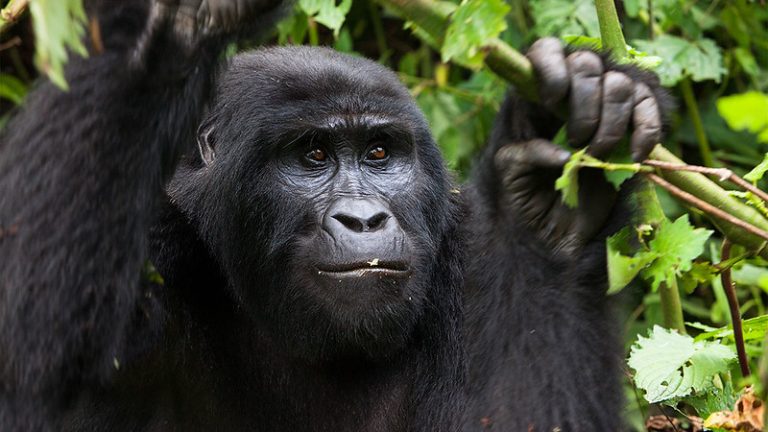
Once you are assigned a gorilla family, you will head into the forest with a lead ranger and two trackers.
- The Search: This can take anywhere from 45 minutes to 6 hours.
- The Encounter: Once found, you have exactly one hour to observe, photograph, and marvel at the family.
- The Distance: You must maintain a 10-meter distance to protect the gorillas from human-borne illnesses.
Section 5: What to Expect During a Gorilla Trek
Knowing what happens on the day of your trek helps you prepare mentally and physically for the adventure ahead.
· 06:00 AM – Early Morning Breakfast at Lodge· 07:00 AM – Transfer to Sector Park Headquarters· 07:30 AM – Ranger Briefing, Document Verification & Gorilla Group Assignment· 08:30 AM – Trek Begins into the Rainforest Canopy· 02-6 HRS – Active Hiking, Tracking Gorilla Footprints & Trail Clearing· 1 HOUR – Close-Up Encounter with the Mountain Gorilla Family· 03:00 PM – Return to Base, Receive UWA Certificate, Transfer to Lodge
Morning Briefing & Grouping
You must arrive at the park headquarters by 7:30 AM. Rangers verify your passport and permit details, assign you to a habituated gorilla family (maximum 8 travelers per family), and conduct a safety briefing.
The Trek
Trekking duration varies widely—from 45 minutes to 6 hours or more—depending on where the gorilla family nested the previous night and how fast they move looking for fresh food. The terrain can be steep, muddy, thick, and humid.
The 1-Hour Observation
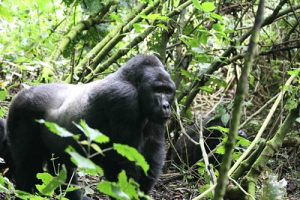
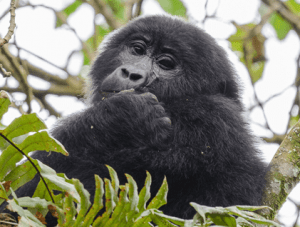
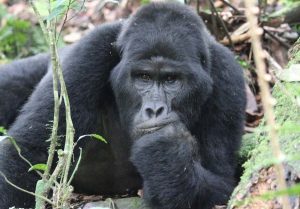
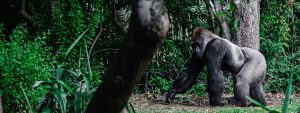
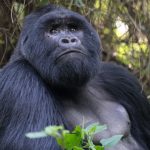
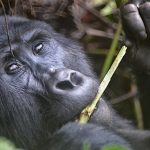
Once the trackers locate the gorillas, you drop your daypacks and trekking poles with porters, step forward with your camera, and spend one full hour observing them. You will watch silverbacks rest or feed, mothers nurse their infants, and young juveniles wrestle in the canopy.
Essential Rules & Protocol
- Keep a minimum distance of 7 meters (23 feet) from the gorillas.
- Mask Wearing: You must wear a face mask when in close contact with gorillas to protect them from human respiratory illnesses.
- If a gorilla approaches you, remain calm, lower your gaze, and follow ranger instructions.
- Do not leave any litter or trash in the forest.
- No Flash Photography under any circumstances.
- If you feel sick or have a contagious infection (flu, cold, diarrhea), you must notify rangers and forfeit your trek for conservation safety.
Our local safari specialists are on standby to check real-time UWA permit availability, secure preferred lodging, and organize tailor-made itineraries tailored to your budget and interests.
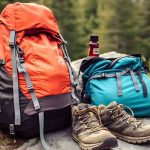
Packing Guide for Your Gorilla Trekking Safari
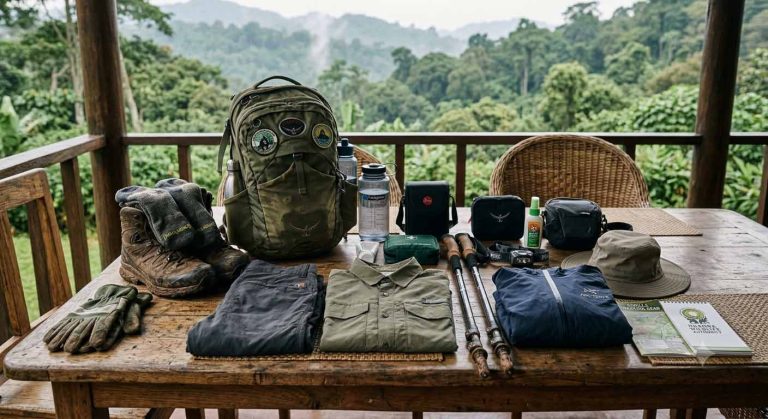
Prepping for an expedition into Bwindi Impenetrable National Park requires a careful balance. You are heading into an equatorial, high-altitude tropical rainforest. It can be hot and humid during the day, cold and misty at night, and an unexpected rain shower can occur at any moment—regardless of the season.
Because you will be hiking off-trail through thick, tangled undergrowth (which is exactly why it is called “Impenetrable”), your clothing choices are your first line of defense against stinging nettles, sharp branches, and forest insects. Use this specialized packing list to ensure you stay dry, comfortable, and protected on the ridges.
Essential Trekking Gear (For the Forest Hike)
This is the gear you will wear on the specific morning of your Gorilla Trek or Habituation Experience.
Sturdy, Waterproof Hiking Boots: Crucial for tackling slippery mud slopes and steep volcanic ridges. Ensure they are well broken-in before your flight to avoid blisters.
Long-Sleeved Performance Shirts & Trousers: Wear lightweight, moisture-wicking materials. Do not wear shorts or short sleeves; thick long pants and long sleeves protect your skin from sharp thorns and stinging nettles.
Thick Hiking Socks & Gaiters: You will want to tuck your trousers directly into your socks to prevent safari ants and other insects from crawling up your legs.
Tough Gardening Gloves: This is a pro-tip most travelers forget. When climbing steep banks, you will instinctively grab onto nearby branches, vines, and roots. Thick leather or rubberized gardening gloves protect your hands from thorns and stinging plants.
Waterproof Rain Jacket or Poncho: A lightweight, breathable rain shell should live inside your daypack at all times.
Electronics & Photography Essentials
Capturing a 500-pound silverback slipping through the misty jungle requires a few specific adjustments to your normal camera bag.
Camera with High ISO Capabilities: The forest canopy is incredibly dense, creating a low-light environment. A camera that performs well at high ISO settings will help you capture crisp photos without losing speed.
Telephoto & Prime Lenses: A versatile zoom lens (like a 70-200mm) is ideal for capturing distant movement, while a fast prime lens (like a 50mm f/1.8) helps navigate the dark forest floor.
No-Flash Configurations: Flash photography is strictly forbidden as it can startle or anger the gorillas. Ensure you know how to completely disable your camera and smartphone flashes before reaching the primates.
Ziploc Bags or Waterproof Covers: Heavy humidity and sudden rain can fry electronics. Pack dry bags or heavy-duty Ziploc bags to shield your camera body and spare lenses.
Extra Batteries & Memory Cards: Cold mountain nights drain battery life faster than normal. Bring at least one backup battery and store it close to your body heat.
Health, Comfort, and Personal Care
Insect Repellent with DEET: Apply generously to your clothes and exposed skin before setting foot on the trail to fend off flies and mosquitoes.
High-Factor Sunscreen & Wide-Brimmed Hat: Equatorial high altitudes mean the sun burns quickly, even through overcast mountain mist.
Reusable Water Bottles (Minimum 2 Liters): Gorilla trekking can take anywhere from 2 to 7 hours. You must carry enough water to stay hydrated through intense physical exertion.
Lightweight Waterproof Daypack: To carry your lunch box (provided by the lodge), water, rain gear, and camera gear, keeping your hands completely free to balance on the slopes.
Malaria Prophylactics & Personal Medications: Consult your travel clinic well in advance to get the correct prescription for your route.
Casual Lodge Wear & Evening Layers
Once you return from the jungle and kick off your muddy boots, the atmosphere shifts to cozy fireplace relaxation.
Warm Fleece or Lightweight Down Jacket: Bwindi sits at an altitude of 3,900 to 8,500 feet (1,190 to 2,600 meters). As soon as the sun dips below the ridges, temperatures drop rapidly.
Comfortable Change of Shoes: Sandals, sneakers, or slippers to wear around the lodge while your hiking boots are being cleaned by the staff.
Neutral-Colored Clothing (Khaki, Green, Tan): For days spent on savannah game drives in Queen Elizabeth or Murchison Falls, neutral tones blend into the environment. Avoid bright blue and black clothing, as these colors actively attract tsetse flies
Gorilla Trekking Frequently Asked Questions - Uganda
Planning a gorilla trekking safari in Uganda? Below are the most commonly asked questions to help you prepare for this once-in-a-lifetime wildlife experience in Bwindi Impenetrable Forest and Mgahinga Gorilla National Park.
Is gorilla trekking in Uganda safe?
Yes, gorilla trekking in Uganda is very safe. Treks are conducted by trained rangers from the Uganda Wildlife Authority who ensure both visitor safety and gorilla conservation. Tour operators organize logistics, guides, and security.
How much does a gorilla trekking permit cost?
A Uganda gorilla trekking permit costs approximately $800 per person (2026) and Gorilla Habituation Permit is $1,500 per person.
What should I pack for gorilla trekking?
Essential items include:
- Hiking boots
- Long-sleeved clothing
- Rain jacket
- Gloves
- Insect repellent
- Drinking water & snacks
Can children go gorilla trekking?
No. The minimum age for gorilla trekking in Uganda is 15 years, as required by conservation regulations.
Do I need a visa to visit Uganda?
Yes, most travelers require a visa to enter Uganda. You can apply online for an e-visa before arrival.
What vaccinations are required for Uganda?
Travelers are advised to have:
- Yellow fever vaccination (mandatory)
- Routine vaccinations
- Malaria prevention measures
How difficult is gorilla trekking?
Trekking can take 1 to 6 hours (or more) depending on gorilla location and terrain. It involves hiking through dense forest, sometimes on steep slopes.
When is the best time for gorilla trekking?
The best time is during the dry seasons:
- June – September
- December – February
Where does gorilla trekking take place in Uganda?
Gorilla trekking is done in:
- Bwindi Impenetrable National Park
- Mgahinga Gorilla National Park
How close can you get to gorillas?
Visitors are required to stay at least 7 meters away, but gorillas may come closer on their own.
An affordable gorilla trekking safari in Uganda is more than just a holiday; it is a direct contribution to conservation.
- Community Support: 20% of your permit fee goes directly to local communities to fund schools and clinics.
- The Porter Program: Hiring a local porter ($20) provides immediate income to families, discouraging poaching and promoting forest protection.
- Eco-Friendly Lodging: We partner with lodges like Buhoma Community Haven and Bakiga Lodge, which use solar power and rainwater harvesting to minimize their environmental footprint.
More On Gorilla Trekking
Gorilla Trekking Blog
Our local safari specialists are on standby to check real-time UWA permit availability, secure preferred lodging, and organize tailor-made itineraries tailored to your budget and interests.