
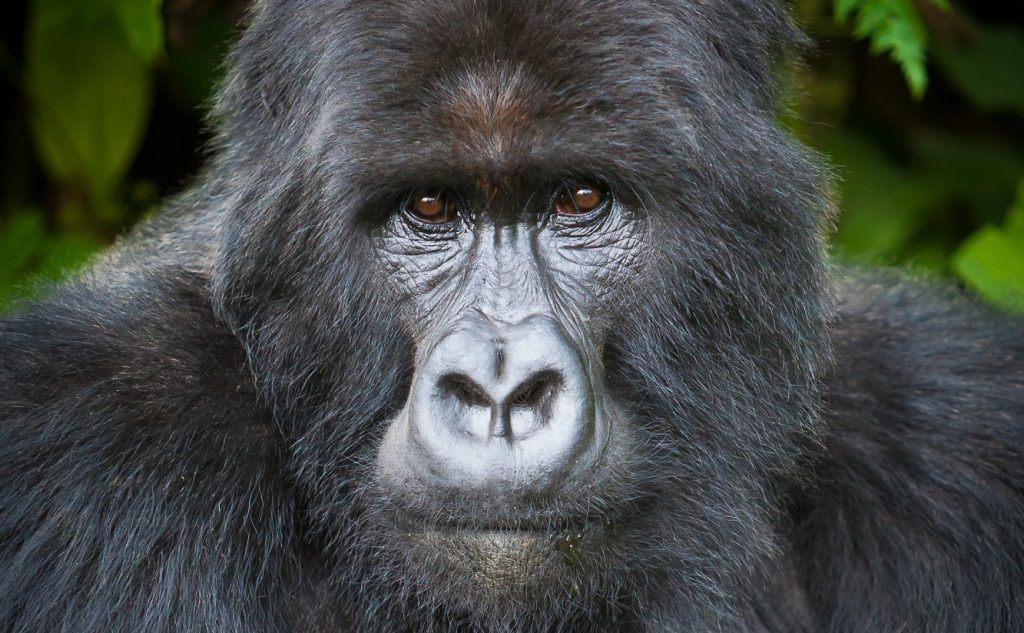
A Day in the Life of a Gorilla Tracker in Rwanda
Deep Inside the Misty Forests of Volcanoes National Park
Long before the sun rises over the rolling green hills of Rwanda, when the air is still cold and heavy with mist drifting down from the Virunga Mountains, a gorilla tracker quietly begins their day with a sense of purpose that goes far beyond routine work, because this is not merely a job defined by schedules and tasks but rather a lifelong commitment to protecting one of the most endangered and extraordinary species on Earth, the mountain gorilla. Deep within Volcanoes National Park, where dense vegetation blankets ancient volcanic slopes and the forest pulses with life, these trackers operate at the intersection of conservation, science, and human resilience, ensuring that each gorilla family remains safe, monitored, and understood in an ever-changing natural environment.
The Early Morning Routine: Preparation Before the Forest Awakens
A gorilla tracker’s day begins in darkness, often around five o’clock in the morning, when the surrounding landscape is silent except for distant insect sounds and the occasional rustle of wind through the trees, and although the hour may seem harsh to outsiders, it quickly becomes second nature to those who have dedicated themselves to this demanding profession. The preparation process is both practical and mental, requiring careful attention to equipment such as durable hiking boots that can withstand slippery terrain, protective clothing suited for dense vegetation, a machete used for clearing paths through thick undergrowth, and communication devices like radios that allow coordination with fellow trackers and park authorities.
Before entering the forest, trackers gather at the park headquarters for a briefing session that carries significant importance because it provides updates on the last known locations of different gorilla families, recent behavioral observations, weather conditions that might affect movement, and any potential risks that could arise during the day’s expedition, and since mountain gorillas do not remain in one place but instead move continuously in search of food and comfort, this information serves only as a starting point rather than a guarantee of where they will be found.
Entering the Forest: Transition into a Different World
As the first hints of daylight begin to illuminate the horizon, trackers make their way from cultivated farmland into the dense forest, and this transition is both physical and symbolic because it marks the shift from human-dominated landscapes into a wild ecosystem governed entirely by natural rhythms and instincts. The forest within Volcanoes National Park is thick and often unforgiving, characterized by towering bamboo, tangled vines, moss-covered trees, and uneven ground that demands constant, and the altitude, which can reach up to four thousand meters, adds another layer of physical strain that requires exceptional endurance and acclimatization.
Movement through this environment is rarely straightforward because trackers must navigate steep slopes, slippery mud, and hidden obstacles while maintaining a pace that allows them to cover large distances without exhausting themselves too quickly, and the weather, which can change rapidly from clear skies to heavy rain, often turns an already difficult trek into a true test of resilience and determination.
The Skill of Tracking: Interpreting the Language of the Forest
Tracking gorillas is an intricate process that relies on a deep understanding of the forest and its subtle signals, and unlike what many might assume, it is not about randomly searching but rather about carefully reading a series of clues that reveal the movements and activities of a gorilla group. Trackers pay close attention to footprints pressed into soft soil, broken branches that indicate feeding activity, partially eaten vegetation, and nests constructed from leaves where gorillas rest during the night, and each of these signs contributes to a larger picture that helps determine the direction and timing of the group’s movement.
In addition to visual cues, trackers rely heavily on sound because gorillas communicate through a range of vocalizations that include grunts, hoots, and the iconic chest-beating display often performed by dominant males, and recognizing these sounds requires experience and familiarity, as they can vary depending on mood, context, and individual personalities within the group. This combination of observation, listening, and intuition allows trackers to narrow down the gorillas’ location with remarkable accuracy, even in a forest that appears impenetrable to the untrained eye.
Encountering the Gorillas: A Moment of Profound Connection
After hours of careful tracking, there comes a moment when the forest seems to shift, and the presence of gorillas becomes unmistakable, whether through a sudden movement in the foliage, a low vocalization, or the unmistakable sight of a massive silverback emerging from the greenery, and it is at this point that the tracker’s role becomes both observational and protective. Maintaining a safe distance is essential, not only to avoid disturbing the gorillas but also to ensure the safety of everyone involved, and trackers must remain calm and composed while carefully documenting important details such as the number of individuals in the group, the health condition of each member, and any notable behaviors that could indicate changes in social dynamics or potential threats.
Over time, trackers develop an extraordinary familiarity with the gorilla families they monitor, often recognizing individual animals by unique physical features such as scars, facial structure, or distinctive behaviors, and this long-term relationship creates a sense of connection that goes beyond scientific observation, fostering a deep respect for these animals and their complex social lives.
Midday Responsibilities: Supporting Conservation Tourism
Once the gorilla group has been located, trackers communicate their position to guides who are responsible for leading groups into the forest, and this coordination is a crucial component of Rwanda’s conservation strategy because controlled tourism generates revenue that supports both wildlife protection and local communities. Visitors are allowed only a limited amount of time with the gorillas, and strict guidelines are enforced to minimize disturbance, including maintaining a safe distance, avoiding sudden movements, and refraining from making loud noises.
Trackers often assist in managing these interactions by ensuring that both gorillas and visitors remain safe, and their presence helps maintain order and adherence to that are designed to protect the animals while still providing an unforgettable experience for those who have traveled from around the world to witness them in their natural habitat.
Afternoon Duties: Monitoring and Protection Continue
Even after tourists have departed, the work of a gorilla tracker is far from complete because ongoing monitoring is essential to ensure that the gorilla family remains safe and healthy, and this may involve following the group as it moves through the forest, observing feeding patterns, checking for signs of illness or injury, and documenting any changes in behavior that could require further investigation.
In addition to monitoring, trackers play a critical role in anti-poaching efforts by searching for and removing snares that may have been set for other animals but can still injure gorillas, and they remain vigilant for any signs of illegal activity within the park, acting as the first line of defense in protecting these endangered animals from human threats.
The Challenges of the Job: Physical and Emotional Demands
The life of a gorilla tracker is undeniably demanding, requiring not only physical strength and endurance but also mental resilience and emotional commitment, because the conditions they face on a daily basis are often harsh and unpredictable. Long hours of hiking through difficult terrain, exposure to changing weather conditions, and the constant need for alertness can take a toll on the body, while the emotional challenges of witnessing injured animals or confronting the realities of conservation add another layer of complexity to the role.
Despite these challenges, trackers continue their work with unwavering dedication, driven by a sense of responsibility and a deep understanding of the importance of their role in preserving a species that remains vulnerable despite recent conservation successes.
The Rewards: A Unique and Meaningful Life
While the challenges are significant, the rewards of being a gorilla tracker are equally profound, because few experiences can compare to observing a family of mountain gorillas in the wild, watching infants play under the watchful eyes of their mothers, or witnessing the quiet strength of a silverback as it leads and protects its group. These moments create a sense of fulfillment that transcends material rewards, offering a connection to nature that is both rare and deeply meaningful.
Trackers also take pride in knowing that their work contributes directly to the survival of mountain gorillas, whose population has gradually increased due to sustained conservation efforts, and this progress serves as a powerful reminder that dedicated human intervention can make a positive difference in protecting endangered species.
Evening Reflections: Ending a Long Day
As the day comes to an end, trackers make their way back through the forest, often retracing their steps through terrain that feels just as challenging on the return journey, and upon reaching the base, they compile detailed reports that document their observations, contributing valuable data to ongoing research and conservation planning.
Although exhaustion is a constant companion, there is also a sense of accomplishment that comes from knowing that their efforts have helped ensure the safety and well-being of the gorillas they protect, and as night falls over Rwanda, the tracker rests briefly before preparing to repeat the entire process again the next day.
Conclusion: Guardians of the Forest
A day in the life of a gorilla tracker in Rwanda is defined by endurance, skill, and an unwavering commitment to conservation, and through their daily efforts within Volcanoes National Park, these individuals serve as guardians of one of the world’s most remarkable species, ensuring that mountain gorillas continue to thrive in their natural habitat despite the many challenges they face.
Their work stands as a testament to the power of dedication and the importance of preserving the natural world, reminding us that the survival of endangered species depends not only on global awareness but also on the efforts of those who are willing to venture into the forest each day, guided by purpose and driven by the hope of a better future for wildlife.