
When is the Best Time for Birding in Uganda?
The success of a birding safari greatly depends on the timing of the year, which is why the question “When is the best time for Birding in Uganda” is where any birder must start from.
Best Time for Birding in Uganda: A Month-by-Month Guide
With over 1,080 recorded species, Uganda is arguably the finest birding destination in Africa. However, because the country sits on the equator and features diverse habitats—from prehistoric swamps to high-altitude montane forests—the best time for birding in Uganda depends entirely on your specific “must-see” list.
Whether you are a professional ornithologist or a passionate hobbyist, timing your visit correctly ensures you catch the rare Palearctic migrants, the Albertine Rift endemics, or the iconic Shoebill in optimal conditions.
When is the Best Time for Birding in Uganda?
The consensus among local experts is that the best time for birding in Uganda is from December to February. During this window, the weather is generally dry, and the country hosts a massive influx of migratory birds from Europe and Northern Africa.
Summary of Birding Seasons
- Dry Season (Best Overall): December to February and June to August.
- Migratory Season: November to April (Peak for Palearctic species).
- Breeding Season: March to May (Best for colorful breeding plumage).
Detailed Seasonal Breakdown
1. December to February (The Peak Window)
This is widely considered the best time for birding in Uganda.
- Migrants: Millions of birds fly south to escape the northern winter, filling Uganda’s wetlands and savannahs.
- Weather: It is the height of the dry season. Trails in Bwindi Impenetrable Forest and Mgahinga are firm, making it easier to track the African Green Broadbill and other forest dwellers.
- Photography: Minimal rainfall means clear skies and excellent light for bird photography.
2. June to August (The Endemic Prime)
If your primary goal is to find the Green-breasted Pitta or the Albertine Rift endemics, this second dry window is ideal.
- Accessibility: Like the December window, this is a dry period. It is the best time for trekking in search of the Rwenzori Turaco or the Dwarf Honeyguide.
- Food Availability: Many trees fruit during this time, concentrating fruit-eating birds like Turacos and Barbets in predictable locations.
3. March to May & September to November (The Rain & Breeding Months)
While these are the “wet seasons,” they offer a unique advantage: Breeding and Song.
- Breeding Plumage: Many resident birds, such as Weavers and Bishops, moult into their vibrant, spectacular breeding plumage during the rains.
- Activity: Heavy rains often trigger high levels of activity and vocalization, making it easier to locate shy species by their calls.
- Lush Scenery: The landscape is incredibly green, providing a stunning backdrop for the Great Blue Turaco and various Sunbirds.
Specialty Sightings: Timing the “Big Picks”
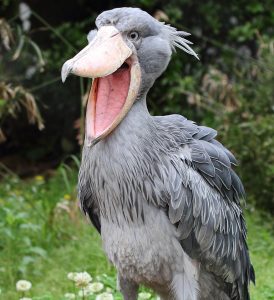
- The Shoebill Stork: The best time for birdwatching in Uganda for the Shoebill is the dry season (Jan–Mar). As water levels in the Mabamba Wetlands drop, the Shoebill is forced into smaller, more visible fishing pools.
- Migratory Raptors: Late October and November see large numbers of raptors passing through the Rift Valley corridors.
- Cuckoo-shrikes and Flycatchers: These are most active and easier to spot in the transition months between rain and sun (September).
Explore : Uganda birding safaris
Plan your birding trip using our expertly designed birding itineraries. Our team of local guides is also readily available to guide you each step of the way.