
Rhino Conservation Tourism in Uganda: How Your Visit Saves Species
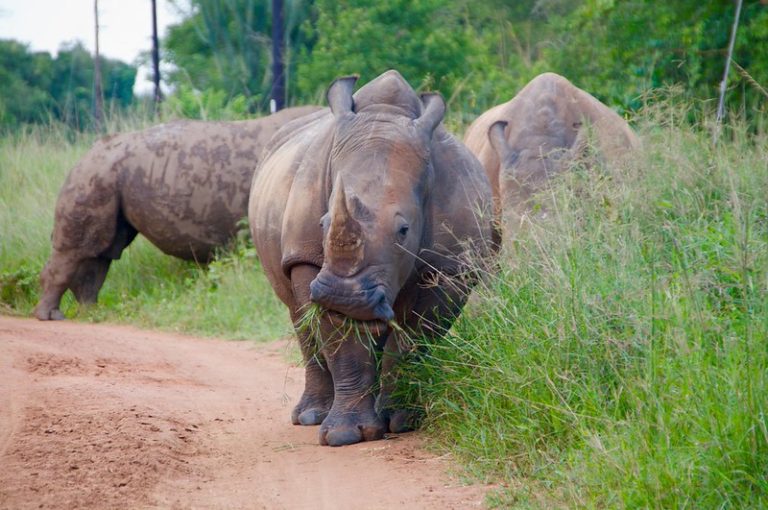
In the late 1970s and early 1980s, the sound of a rhino’s breath was lost to the Ugandan wilderness. Due to civil unrest and rampant poaching, both the Black and Northern White rhinos were declared extinct in the country. Today, the story is remarkably different.
Through Rhino conservation tourism in Uganda, travelers are no longer just spectators; they are the primary financial engine driving the successful reintroduction of these majestic giants. When you book a safari that includes rhino tracking, you are directly contributing to one of Africa’s greatest wildlife comeback stories.
From Extinction to the Wild: The Success of White Rhino Reintroduction
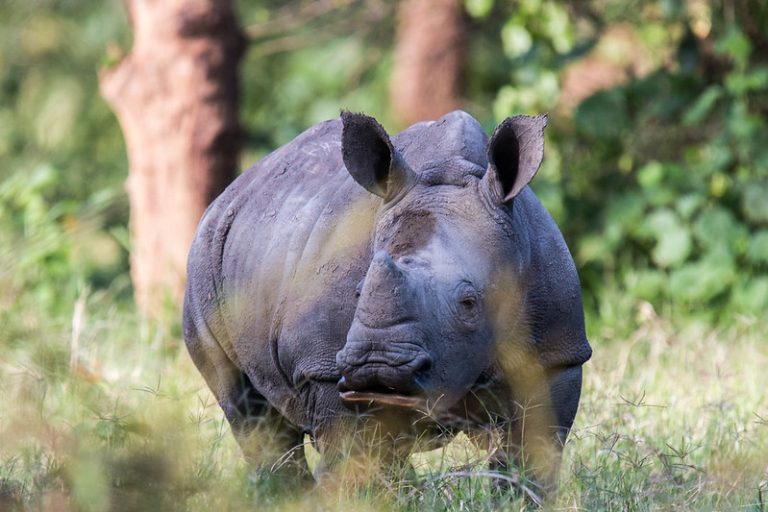
The journey began with the establishment of the Ziwa Rhino Sanctuary, a 7,000-hectare habitat dedicated to breeding Southern White Rhinos. What started with just six rhinos has grown into a thriving population of over 35 individuals.
The ultimate goal has always been wild reintroduction. In early 2026, Uganda achieved a historic milestone by translocating the first group of rhinos from the sanctuary back into Kidepo Valley National Park. This move marks the transition of rhinos from “protected residents” to “wild inhabitants,” restoring the ecological balance of Uganda’s northern frontier.
How Your Visit Fuels Conservation Impact
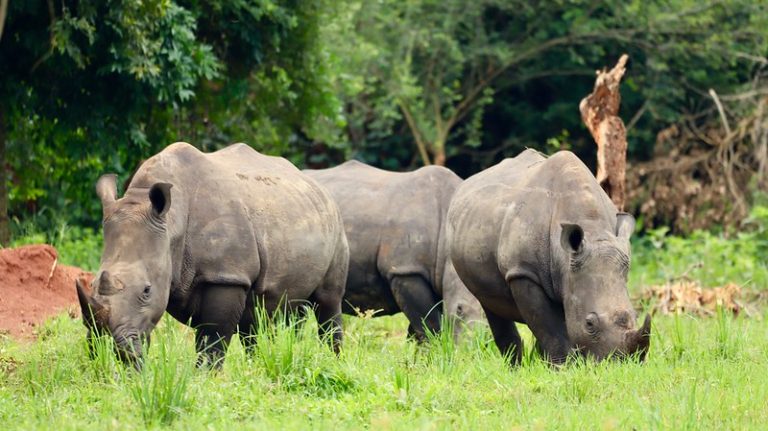
Many tourists ask, “Where does my trekking fee go?” In Uganda, conservation tourism isn’t a buzzword—it’s a survival strategy. Your visit supports:
- 24/7 Armed Protection: Every rhino is monitored around the clock by dedicated rangers to ensure zero poaching incidents.
- Veterinary Care: Constant health monitoring and DNA profiling to maintain genetic diversity.
- Community Development: A portion of tourism revenue goes to local schools and clinics, ensuring that the people living near the sanctuary see the rhinos as an asset, not a threat.
- Future Translocations: Moving 2,000kg animals across the country requires massive logistics, which are funded by the steady stream of conservation-minded travel
Frequently Asked Questions (FAQ)
Q: Is it safe to track rhinos on foot in Uganda? A: Yes. You are always accompanied by highly trained, armed rangers who understand rhino behavior. Because these are Southern White Rhinos, which are generally calmer than Black Rhinos, on-foot tracking is a safe and exhilarating experience.
Q: Can I see rhinos in other parks besides Ziwa? A: As of 2026, rhinos have been reintroduced to Kidepo Valley National Park. While Ziwa remains the primary breeding and viewing location, the expansion into the wild is currently underway.
Q: What is the difference between a rhino sanctuary and a national park? A: A sanctuary like Ziwa is a high-security, fenced area designed for breeding and intensive protection. A national park is a vast, open ecosystem where rhinos live alongside predators like lions and leopards.
Join the Mission
Your visit directly funds the 24/7 protection of Uganda’s rhinos.
See the full guide to Rhino Tracking in Uganda
A Holistic Conservation Experience
While rhino conservation tourism in Uganda centers on the rhinos, the habitats they occupy are biodiversity hotspots. While visiting the sanctuary or the new Kidepo release sites, you are also protecting the rare Shoebill Stork, various antelope species, and the pristine acacia woodlands that these “mega-herbivores” help maintain.
Plan your specific visit details using our comprehensive Ziwa Rhino Sanctuary Guide.