
Updated: April 22, 2026
Mission Accomplished: The 2026 Relocation of Rhinos to Kidepo Valley
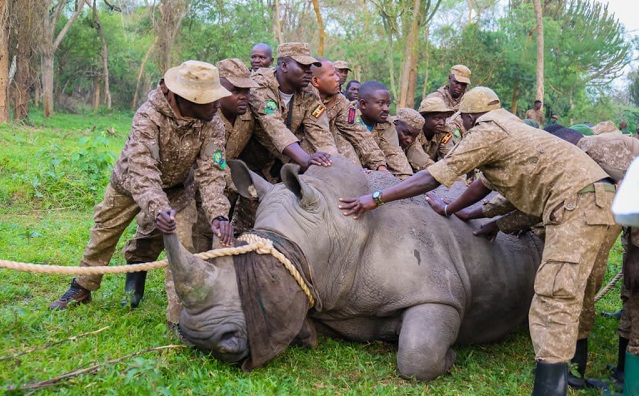
History was made in the final weeks of March 2026. For the first time in over four decades, the thundering footsteps of the rhinoceros returned to the rugged plains of Kidepo Valley National Park.
While Uganda has long been a destination for the “Big Four” in the north, this month’s successful relocation of eight Southern White Rhinos officially restores Kidepo’s status as a complete Big Five wilderness.
The Role of Ziwa: The Heart of the Mission
This relocation would have been impossible without the decade-long success of the Ziwa Rhino Sanctuary. Ziwa has served as the exclusive “nursery” for Uganda’s rhino population.
The rhinos selected for the March move were handpicked from the sanctuary based on their age, health, and genetic diversity. By thinning the population at Ziwa, conservationists are not only repopulating Kidepo but also creating more space for the remaining rhinos at the sanctuary to continue breeding.
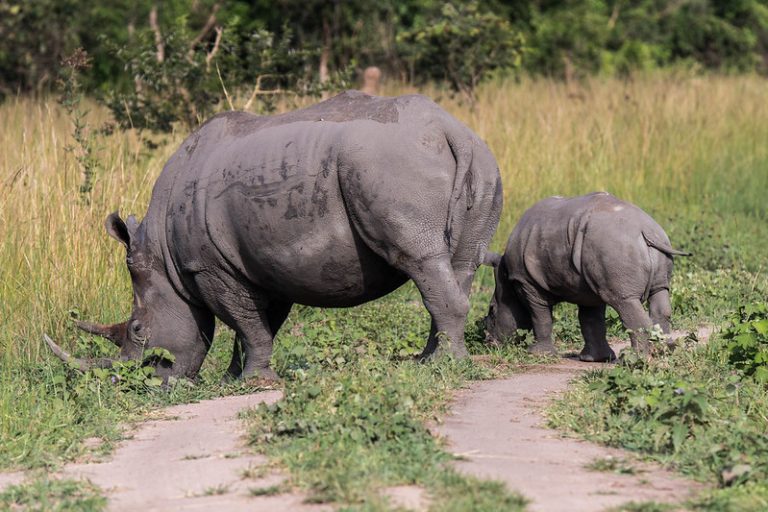
March 2026: Logistics of a 600km Journey
Moving several tons of prehistoric wildlife across Uganda is a massive logistical feat. Led by the Uganda Wildlife Authority (UWA) and supported by international conservation partners:
- The Route: The rhinos traveled in specially designed crates from the Nakasongola district, through Gulu, and into the Karamoja sub-region.
- The Arrival: The rhinos were released into a secure, 1,600-hectare sanctuary within the Narus Valley, a location chosen for its permanent water sources and lush grazing grounds.
- The Monitoring: Each rhino has been fitted with satellite tracking technology to ensure their safety and health during this critical acclimation phase.
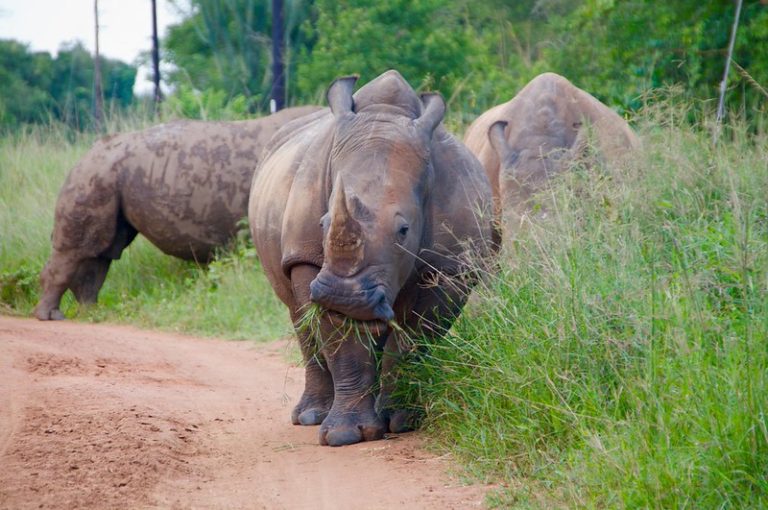
Detailed Logistical Breakdown (The “How It Happened” Section)
- The Pioneer Group: 8 Southern White Rhinos were specifically selected for genetic diversity.
- The “Oversized” Problem: The rhinos at Ziwa had grown so healthy that standard transport crates were too small. UWA had to source heavy-duty, extra-large crates from Lewa and Ol Pejeta in Kenya specifically for this March mission.
- The Release Site: An 18.2-square-kilometer fenced sanctuary within the Narus Valley. This acts as a “soft release” zone where they can be monitored 24/7 before being released into the wider park in future years.
FAQ -Frequently Asked Questions
Can I see rhinos in Kidepo right now?
Yes, but they are currently in a secure sanctuary within the park. Guided sightings can be arranged through UWA rangers.
Is it safe to visit Kidepo after the relocation?
Absolutely. The park has seen a massive increase in security and infrastructure, including new ranger posts and graded roads.
Why were Southern White Rhinos chosen first?
They are the foundation population. Once they are stabilized, UWA plans to introduce the critically endangered Eastern Black Rhino in future phases.
Travellers Pro Tip: The Impact on the “2026 Safari Circuit”
The 2026 ‘Rhino Loop’ Itinerary:
This relocation has affected the Big Five Travel Packages in which tourists wanted to see Rhinos, Lions, Elephants, Buffalo & Leopards.
And so previously, “Big Five” meant a mandatory stop at Ziwa on the way to Murchison Falls. Now, travelers can choose:
- Option A (The Intimate Trek): Stop at Ziwa for an on-foot experience (the only place where this is possible).
- Option B (The Wilderness Sight): Head straight to Kidepo to see rhinos in a rugged, mountain-valley backdrop that feels like Africa 100 years ago.
- Expert Tip: For the best photos, visit Kidepo in the late afternoon. The light hitting the Morungole Mountains while a rhino grazes in the Narus Valley is a shot you won’t get anywhere else in the world.
Direct Support for Local Communities.
The relocation has already created jobs for the local Karamojong and Ik communities. From the “Wildlife Scouts” who maintain the 17.8km sanctuary fence to the poultry enterprises supported by tourism revenue, these rhinos are a economic engine for Northern Uganda.
What’s Next for Travelers?
If you are planning a safari in late 2026 or 2027, the landscape of Northern Uganda has changed for the better.
While the new residents of Kidepo settle into their high-security home, Ziwa Rhino Sanctuary remains the premier location for travelers who want to experience rhino tracking on foot. In fact, most travelers are now choosing a combined itinerary: stopping at Ziwa for a guided trek before flying or driving north to see the new population in the wilder, more remote Kidepo Valley.
The “Tsetse Fly” Challenge
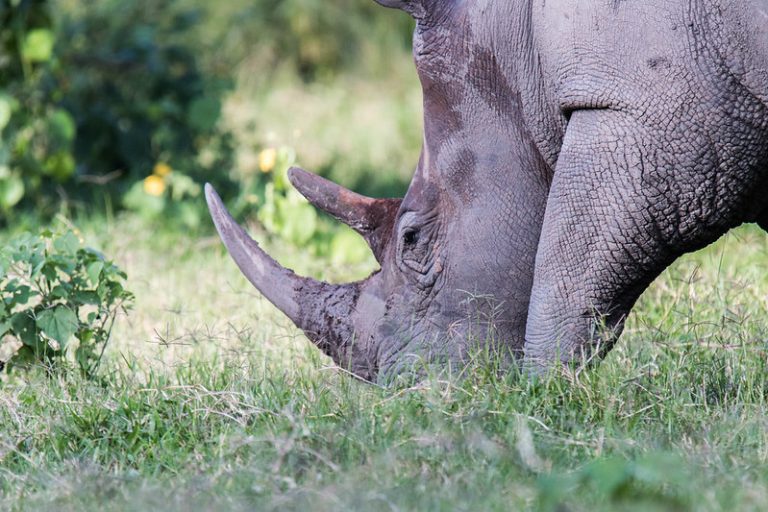
Did you know? The biggest threat to the new Kidepo rhinos isn’t just poaching—it’s the tsetse fly.
UWA and partners (like WildLandscapes) had to deploy nearly 1,000 tsetse fly control targets around the Narus Valley sanctuary before the move.
Because the rhinos at Ziwa have never been exposed to trypanosomiasis (the disease flies carry), this pre-relocation “cleansing” of the habitat was the most critical step in ensuring their survival.
Supporting the Future
The March 2026 relocation is a shining example of how rhino conservation and tourism work hand-in-hand. Every permit purchased for a rhino trek at Ziwa contributed directly to the fuel, crates, and veterinary care required to make this Kidepo move a reality.
Ready to see the giants for yourself?
Read our Full Guide to Visiting Ziwa Rhino Sanctuary to plan your stop on the way to Kidepo.