
How Climate and Altitude Shape the Gorilla Trekking Experience

How Climate and Altitude Shape the Gorilla Experience
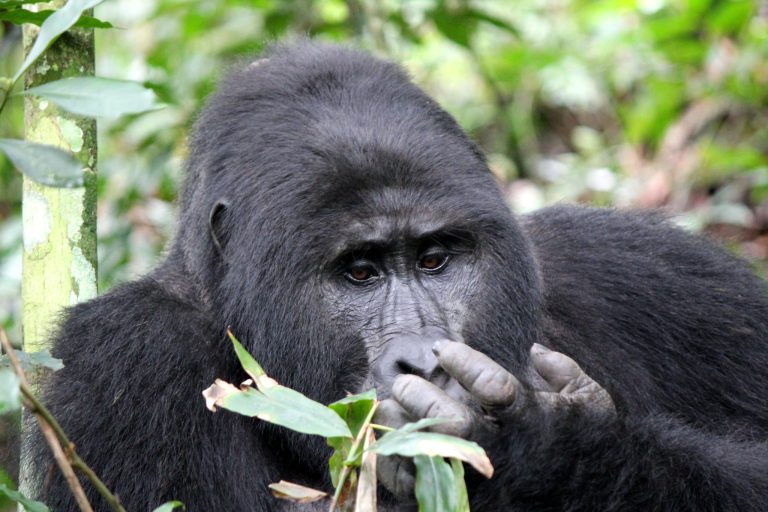
The experience of encountering gorillas in the wild is often described as one of the most powerful wildlife encounters on Earth, yet what many people do not immediately realize is that this experience is profoundly shaped by two invisible but dominant forces: climate and altitude, both of which influence not only the behavior and movement of gorillas but also the physical and emotional journey of those who venture into their habitat. From the mist-covered slopes of Volcanoes National Park in Rwanda to the dense and humid forests of Bwindi Impenetrable National Park in Uganda, climate and altitude work together to create a dynamic environment that defines every aspect of the gorilla trekking experience.
To fully understand what makes gorilla trekking so unique, it is essential to explore how these environmental factors shape not only the lives of gorillas but also the challenges and rewards faced by trekkers, guides, and conservationists.
The Role of Altitude: Life in the High Mountains
Altitude is one of the most defining characteristics of mountain gorilla habitats, as these primates live in regions that range from approximately 2,200 meters to over 4,000 meters above sea level, and this elevation creates a distinct ecological zone that is vastly different from lowland forests both in terms of temperature and vegetation.
In places like Volcanoes National Park, the high altitude results in cooler temperatures throughout the year, often accompanied by dense mist that blankets the giving rise to the nickname “the mountains in the clouds,” and this cooler climate directly influences the types of plants that grow in the region, which in turn determines the diet of mountain gorillas.
Unlike their lowland relatives, mountain gorillas rely heavily on fibrous vegetation such as bamboo shoots, thistles, and wild celery, and the abundance of these sources in high-altitude environments allows them to maintain relatively stable home ranges without needing to travel long distances in search of fruit.
For trekkers, however, altitude introduces a completely different set of challenges, because as elevation increases, oxygen levels decrease, making physical exertion more demanding, and even experienced hikers can find themselves short of breath, fatigued, or moving more slowly than expected, especially when combined with steep terrain and conditions.
Climate: The Ever-Changing Mood of the Forest
Climate in gorilla habitats is characterized by variability, with conditions that can shift rapidly from sunshine to within a matter of minutes, and this unpredictability plays a crucial role in shaping both gorilla behavior and the trekking experience.
In regions such as Bwindi Impenetrable National Park, the climate is typically and tropical, with frequent rainfall that keeps the forest lush and vibrant, while in higher-altitude areas like Volcanoes National Park, the climate is cooler but still creating a mist that contributes to the unique atmosphere of the forest.
Rainfall is particularly significant because it affects the availability of food for gorillas, as well as the condition of the trails used by trekkers, and heavy rain can turn paths into muddy, slippery routes that require extra caution and physical effort to navigate.
For gorillas, climate influences daily routines, including feeding patterns, movement, and rest, because they tend to adjust their behavior based on weather conditions, sometimes seeking shelter during heavy rain or altering them to access different food sources.
Vegetation and Habitat: A Direct Result of Climate and Altitude
The interplay between climate and altitude shapes the vegetation that defines gorilla habitats, creating environments that are both rich in biodiversity and uniquely suited to the needs of these primates.
In high-altitude regions, vegetation tends to be and dominated by bamboo forests, giant lobelias, and alpine plants, while lower-altitude areas feature dense tropical rainforests with a wider variety of tree species and fruit-bearing plants, and this variation has a direct impact on gorilla behavior, particularly in terms of diet and movement.
Mountain gorillas, which inhabit higher elevations, consume a diet that is largely consistent throughout the year due to the of vegetation, whereas lowland gorillas experience more seasonal variation in food availability, leading to different movement patterns and feeding strategies.
For trekkers, the type of vegetation also affects visibility and accessibility, as dense undergrowth can make it difficult to spot gorillas or move quickly through the forest, while open bamboo areas may allow for easier navigation but still present their own challenges.
How Altitude and Climate Influence Gorilla Behavior
Gorillas are highly adaptable animals, yet their behavior is closely tied to environmental conditions, and both altitude and climate play a significant role in determining how they spend their day.
In cooler, high-altitude environments, gorillas tend to conserve energy by limiting unnecessary movement, focusing instead on feeding and resting within a relatively confined area, and their thick fur provides insulation against lower temperatures, allowing them to remain comfortable even in misty and conditions.
Climate also influences social behavior, as periods of may lead to increased resting or reduced activity, while dry conditions can encourage more movement and exploration, and these patterns are important for trackers and guides, who must interpret environmental cues to locate gorilla groups effectively.
Seasonal Variations: Choosing the Best Time for Your Safari
For those embarking on a gorilla trekking adventure, climate and altitude shape not only the physical journey but also the emotional experience, creating a sense of challenge and accomplishment that is inseparable from the encounter itself.
The demands of trekking at high altitude, combined with steep slopes and conditions, require determination and preparation, and the effort involved often enhances the sense of reward when gorillas are finally located, making the experience more meaningful and memorable.
At the same time, the conditions of mist, cool and dense forest create an almost otherworldly environment that heightens the impact of the encounter, transforming it from a simple wildlife sighting into a deeply immersive experience.
Dry vs. Wet Season: Which is Right for You?
Although gorilla trekking is possible year-round, seasonal variations in climate can significantly influence the experience, and understanding these patterns is essential for anyone planning a visit.
Dry seasons, which typically occur from June to September and December to February in regions like Rwanda and Uganda, offer more stable trekking conditions with less mud and clearer trails, making them ideal for those seeking a less physically demanding experience.
However, wet seasons bring their own advantages, including fewer crowds, lush landscapes, and increased photographic opportunities due to vibrant vegetation and dramatic lighting conditions, and for gorillas, these periods often coincide with abundant food availability, which can influence their behavior and movement.
Conservation Implications: Protecting Habitats in a Changing Climate
The relationship between climate, altitude, and gorilla habitats has important implications for conservation, particularly in the context of climate change, which has the potential to alter temperature patterns, rainfall distribution, and vegetation growth in ways that could impact gorilla populations.
Because mountain gorillas are already restricted to high-altitude, their ability to migrate in response to changing conditions is limited, making them particularly vulnerable to environmental shifts, and this highlights the importance of protecting existing habitats while also monitoring changes that could affect their long-term survival.
Conservation efforts in areas like Volcanoes National Park and Bwindi Impenetrable National Park are therefore closely linked to understanding and managing the effects of climate and altitude, ensuring that these ecosystems remain stable and supportive of gorilla populations.
Essential Preparation: Gear and Fitness for High-Altitude Trekking
Understanding how climate and altitude shape the gorilla experience is not only informative but also practical, as it helps trekkers prepare effectively for the journey.
Appropriate clothing, including waterproof gear and sturdy hiking boots, is essential for with changing weather conditions, while physical preparation can help mitigate the effects of altitude and ensure a more enjoyable experience, and being mentally prepared for the challenges of the trek can also enhance the overall experience.
By recognizing the role of environmental factors, trekkers can approach the journey with realistic expectations and a deeper appreciation for the conditions that define gorilla habitats.
Conclusion: Embracing the Elements of the Wild
Climate and altitude are the invisible architects of the gorilla experience, shaping everything from the behavior and habitat of gorillas to the physical and emotional journey of those who seek to encounter them in the wild, and without these factors, the of gorilla trekking would not exist in its current form.
From the misty slopes of Volcanoes National Park in Rwanda to the dense rainforests of Bwindi Impenetrable National Park in Uganda, these environmental forces create a world that is both challenging and extraordinary, offering an experience that is as much about the journey as it is about the destination.
Ready to experience gorilla trekking without breaking the bank? Explore affordable options, expert planning, and unforgettable encounters here: Affordable Gorilla Trekking Rwanda Guide — and start planning your adventure today.