
The Sound of the Forest Before You Meet the Gorillas
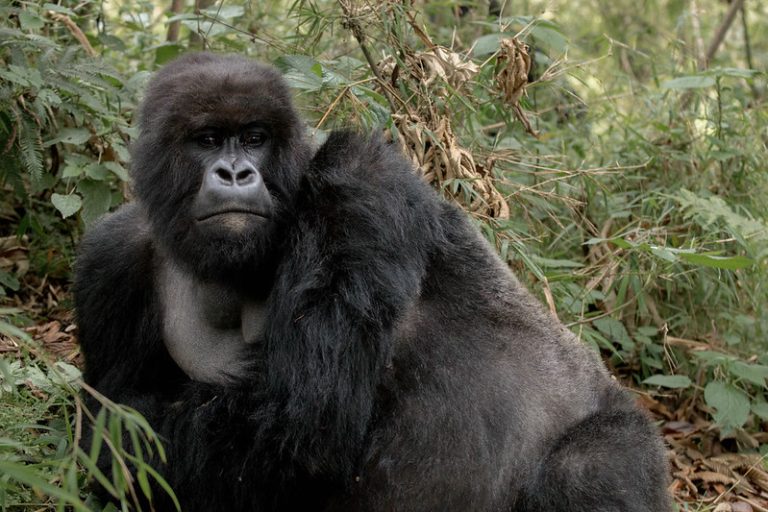
Entering a World That Speaks First Through Sound
There is a quiet transformation that takes place during a gorilla trek, one that begins long before you stand in the presence of these remarkable animals, and it is rooted not in what you see, but in what you hear as you move deeper into the forest. While many travelers imagine the highlight of such a journey to be the visual encounter with gorillas, the truth is that the experience begins much earlier, unfolding through a rich and layered soundscape that gradually draws you into a world that feels both ancient and intensely alive.
From the moment you step onto the forest trail, the sounds begin to gather around you in subtle and complex ways, forming an atmosphere that is impossible to ignore once you become aware of it. The ground beneath your boots produces a soft, muted rhythm, cushioned by thick layers of leaves and organic matter that have accumulated over time, while the air above carries the gentle, shifting whispers of the canopy as branches and leaves respond to the slightest movements of wind. These initial sounds may seem ordinary at first, but as you continue walking, they begin to merge into something far more immersive, creating a sense that the forest is not simply a place you are passing through, but a living environment that you are entering on its own terms.
The Layered Symphony of the Forest
As your senses adjust, you begin to notice how the forest organizes its sounds into distinct layers, each contributing to a larger, interconnected whole that feels almost like a natural symphony. Birdsong emerges as one of the most expressive elements within this soundscape, echoing through the trees with a clarity that can feel both distant and immediate at the same time. Some calls are fluid and melodic, rising and falling in patterns that resemble music, while others are sharper and more abrupt, suggesting urgency or territorial communication. These calls overlap and interact continuously, forming a dynamic acoustic environment that shifts from moment to moment without ever becoming chaotic.
Beneath the more noticeable sounds lies a constant, steady undercurrent created by insects, whose presence fills the forest with a low, persistent hum that is easy to overlook until you consciously focus on it. This subtle vibration provides a kind of continuity that ties all other sounds together, ensuring that even when bird calls fade or footsteps pause, the forest never feels completely still. Instead, it maintains a quiet sense of motion that reinforces the idea that life is always present, even when it is not immediately visible.
When Sound Becomes More Intimate
As you move deeper into the forest, the nature of sound begins to change in ways that are both gradual and profound, largely due to the increasing density of vegetation that surrounds you. The thick undergrowth and towering trees absorb and soften sound, reducing echoes and making everything feel closer and more immediate, as though the distance between you and the source of each noise has suddenly shrunk. This shift encourages a heightened level of attention, as faint and previously unnoticed details begin to stand out with greater clarity, including the snap of a twig under unseen weight, the gentle brushing of leaves against one another, and the occasional creak of branches that seem to respond to movements hidden just beyond your line of sight.
At this stage of the journey, the act of listening becomes more intentional, transforming from a passive experience into an active process that requires focus and awareness. Your guides play a crucial role in this transition, demonstrating an ability to interpret the forest through sound with remarkable precision, often pausing to listen carefully before making decisions about direction or pace. Their attention is not drawn to the obvious, but to the subtle variations and patterns that reveal the presence of wildlife, and as you observe their behavior, you begin to understand that the forest communicates constantly, even if its language is not immediately familiar.
Becoming Part of the Silence
This growing awareness also changes the way you perceive your own presence within the forest, as you become increasingly conscious of the sounds you create and instinctively try to minimize them. Your footsteps grow quieter, your movements more deliberate, and even your breathing seems louder in comparison to the carefully balanced environment around you. This shift is not driven by instruction alone, but by a natural response to the atmosphere of the forest, which seems to encourage stillness and attentiveness as essential forms of respect.
There is a moment when what once felt like noise begins to resemble silence, not because the forest has become quiet, but because your perception has shifted. You are no longer overwhelmed by sound, but guided by it, able to distinguish between layers and patterns that once blended together.
The First Signals of the Gorillas
Eventually, the soundscape begins to shift once more, and this change carries a sense of anticipation that is difficult to ignore, as the lighter, more scattered sounds of birds and insects give way to deeper, more grounded tones that suggest the presence of something larger and more substantial. The crack of a branch now carries weight and intention, rather than randomness, and the rustling of leaves becomes slower and more deliberate, indicating movement that is purposeful rather than incidental. These sounds introduce a new dimension to the experience, one that feels closer, more immediate, and undeniably significant.
It is within this deeper layer of sound that you first encounter the presence of the gorillas, not through sight, but through an awareness that something powerful and calm exists just beyond your immediate perception. A low, soft grunt may emerge from the undergrowth, subtle yet distinct in its tone, followed by another that reinforces the sense of communication taking place within a group. These vocalizations are not loud or dramatic, yet they carry a resonance that sets them apart from all other sounds in the forest, signaling a level of intelligence and social connection that becomes increasingly apparent as you continue to listen.
Following Sound Into Presence
As you draw closer, the sounds become more defined, allowing you to distinguish between different activities and interactions taking place within the group, such as the tearing of vegetation as they feed, the shifting of weight as they move, and the quiet exchanges that pass between individuals. These sounds are not chaotic or hurried, but measured and calm, reflecting a sense of stability that contrasts with the initial uncertainty of the trek. The forest no longer feels vast and unknowable, but intimate and connected, as though you have been gradually introduced to its rhythms and patterns.
What makes this stage of the journey so powerful is the realization that the encounter with the gorillas has already begun, even before you see them, because the forest has been guiding you toward this moment through sound alone. By the time your guide signals that the gorillas are nearby, you are already attuned to their presence, having followed the subtle cues and signals that have been unfolding around you since the beginning of the trek.
When Sound and Sight Finally Meet
When the gorillas finally come into view, the connection between sound and sight becomes immediate and deeply meaningful, as the noises you have been hearing take on clear and tangible forms that anchor them in reality. The rustling of leaves reveals itself as the movement of a massive arm, the low grunts become recognizable as communication between members of a family group, and the previously unseen shifts in the environment become visible expressions of life in its natural state.
A Memory That Stays With You
In the end, the sound of the forest is not merely a backdrop to the experience of gorilla trekking, but an essential part of the journey that shapes how you perceive and understand everything that follows. It teaches you to listen with intention, to appreciate the subtle complexity of a living ecosystem, and to recognize that the most meaningful encounters often begin long before they are seen.
Ready to experience gorilla trekking without breaking the bank? Explore affordable options, expert planning, and unforgettable encounters here: Affordable Gorilla Trekking Rwanda Guide — and start planning your adventure today.