
What Do Gorillas Do in a Day?
Ever wondered what do gorillas do in a day? From sunrise nest-building to social grooming and foraging through lush rainforests, explore the structured daily routines, social bonds, and fascinating behaviors of these gentle giants in the wild.
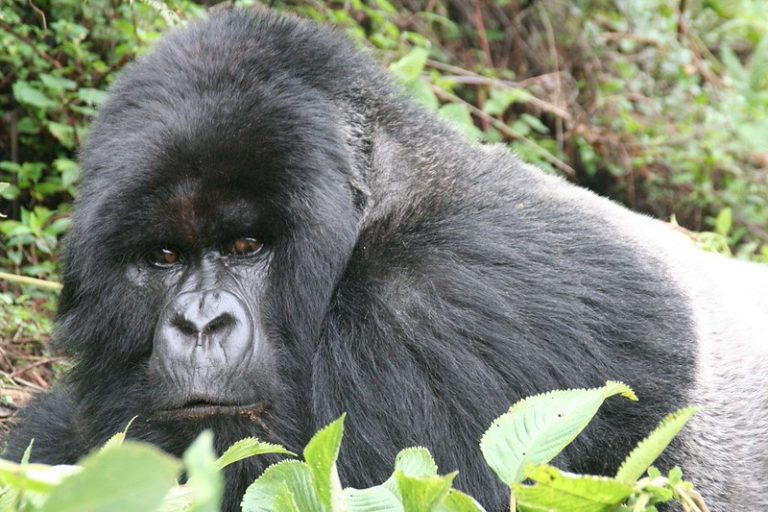
Hidden within the dense tropical forests of Central and East Africa, gorilla’s live lives that are both deeply structured and surprisingly relatable, and while they are often portrayed as mysterious giants of the jungle, their daily routines reveal a complex balance of feeding, social interaction, movement, and rest that mirrors many aspects of human life in subtle yet fascinating ways. From the misty slopes of Volcanoes National Park in Rwanda to the lowland rainforests of the Congo Basin, gorillas follow a rhythm dictated by nature, survival needs, and strong social bonds within their groups.
Understanding what gorillas do in a day not only offers insight into their behavior but also highlights why protecting their habitats is so important, because every part of their daily routine is closely tied to the environment in which they live.
What Do Gorillas Do in a Day: Morning – Waking Up in the Forest Canopy
A gorilla’s day begins at sunrise, when the forest slowly comes alive with light and sound, and unlike humans who rely on alarms and schedules, gorillas are guided entirely by natural rhythms, waking when the temperature rises and visibility improves. Each gorilla sleeps in a nest constructed from leaves, branches, and vegetation, which is typically built the previous evening either on the ground or in low trees depending on the species and environment.
When morning arrives, these nests are abandoned, and new ones will be built later in the day, meaning that nest construction is a daily activity rather than a permanent structure, and this constant rebuilding reflects the gorillas’ semi-nomadic lifestyle as they move through their habitat in search of food.
After waking, gorillas do not rush into activity but instead begin their day slowly, often grooming themselves or sitting quietly while other members of the group awaken, and this calm start sets the tone for a day that, while active, is rarely chaotic.
What Do Gorillas Do in a Day: Breakfast and Feeding
Feeding dominates a gorilla’s daily routine, consuming a significant portion of their waking hours, and because gorillas are primarily herbivores, their diet consists mainly of leaves, stems, shoots, fruit, and occasionally bark or roots depending on what is available in their environment. In regions like Bwindi Impenetrable National Park and Volcanoes National Park, mountain gorillas rely heavily on vegetation such as bamboo shoots and wild celery, while lowland gorillas in areas like the Congo Basin consume more fruit due to its abundance.
Gorillas begin feeding shortly after waking, moving slowly through the forest as they forage, and unlike predators that must hunt, gorillas spend their time selectively gathering food, often using their hands with remarkable precision to strip leaves from stems or peel bark from branches. This feeding process is not rushed, as they consume large quantities of vegetation to meet their nutritional needs, which can amount to several kilograms of food per day.
Because food sources are spread out, feeding is closely linked with movement, and as the group progresses through the forest, they continuously search for new areas rich in edible plants.
Mid-Morning Social Life
Gorillas are highly social animals, living in groups known as troops or families, which are typically led by a dominant male known as a silverback, and this social structure plays a central role in their daily activities, influencing everything from movement to conflict resolution. During mid-morning, after the initial feeding period, gorillas often engage in social behaviors that strengthen bonds within the group.
Grooming is one of the most important of these activities, as it helps maintain hygiene while also reinforcing relationships between individuals, and young gorillas, in particular, are highly playful, often chasing each other, climbing trees, and engaging in mock fights that help them develop physical and social skills. These playful interactions are not only entertaining to observe but also essential for learning behaviors that will be important in adulthood.
The silverback, meanwhile, maintains a watchful presence, ensuring the safety and cohesion of the group, and although he may appear relaxed, his role requires constant awareness of potential threats and the well-being of each member.
Movement Through the Forest
As the day progresses, gorillas continue to move through their habitat in a slow and deliberate manner, covering distances that vary depending on the availability of food and environmental conditions, and unlike migratory animals that travel long distances, gorillas tend to remain within a defined home range, adjusting their movements based on seasonal changes in vegetation.
This movement is not random but guided by memory and experience, as gorillas are capable of remembering the locations of food sources and navigating complex forest environments with ease, and their path often follows a pattern that maximizes access to while minimizing unnecessary energy expenditure.
The terrain in areas like Volcanoes National Park can be steep and challenging, yet gorillas move with a surprising level of agility, using their strong limbs to climb, balance, and traverse obstacles that would be difficult for humans.
Midday Rest: Relaxation and Digestion
Around midday, gorillas typically take a break from feeding and movement, settling into a period of rest that can last for several hours, and during this time, they may lie down, sit quietly, or engage in light social interactions, allowing their bodies to digest the large amounts of vegetation consumed earlier in the day.
This rest period is essential for energy conservation, as digesting fibrous plant material requires significant effort, and by pausing activity, gorillas ensure that they can sustain their energy levels for the remainder of the day.
Young gorillas often continue to play during this time, while adults may groom each other or simply relax in close proximity, reinforcing the strong social bonds that define their groups.
Afternoon Feeding and Interaction
After their midday rest, gorillas resume feeding, continuing their slow movement through the forest as they search for addition, and this second feeding session is similar to the morning period, involving careful selection and consumption of available vegetation.
Social interactions remain an important part of this phase, with grooming, play, and communication continuing as the group moves together, and vocalizations such as grunts and soft calls help maintain contact between, especially in dense vegetation where visibility is limited.
The silverback continues to lead and protect the group, making decisions about movement and responding to any potential threats, and his presence provides stability and structure that is essential for the group’s survival.
Evening: Nest Building and Settling Down
As daylight begins to fade, gorillas prepare for the night by constructing new nests, a process that highlights both their intelligence and adaptability, and each individual builds their own nest using nearby vegetation, carefully arranging leaves and branches to create a comfortable resting place.
These nests are typically built in different locations each evening, reflecting the group’s movement throughout the day, and once the nests are complete, gorillas settle down for the night, with activity gradually decreasing as darkness falls.
The forest becomes quiet once again, and the cycle of the day comes to an end, ready to begin anew with the next sunrise.
Communication and Behavior Throughout the Day
Throughout their daily routine, gorillas communicate using a variety of sounds, gestures, and facial expressions, and these forms of communication are essential for maintaining group cohesion, expressing emotions, and coordinating activities.
From the deep chest beats of a silverback to the playful vocalizations of young gorillas, each sound carries meaning, and understanding these signals provides insight into the complex social lives of these animals.
The Importance of Routine in Gorilla Survival
The daily activities of gorillas are not random but carefully balanced to ensure survival in a challenging environment, and each component of their routine, from feeding and movement to rest and social interaction, plays a critical role in maintaining their health and stability.
This balance is closely tied to the availability of resources and the condition of their habitat, which is why conservation efforts are so important in protecting not only the gorillas themselves but also the ecosystems that support their way of life.
What Do Gorillas Do in a Day : Conclusion
A day in the life of a gorilla reveals a world that is both simple and deeply complex, where survival depends on a delicate balance of movement, rest, and social bonds, and by observing these patterns, we gain a greater appreciation for the intelligence, adaptability, and emotional depth of these remarkable animals.
From the forests of Rwanda to the vast expanse of the Congo Basin, gorillas continue to live according to rhythms that have remained unchanged for generations, offering a powerful reminder of the importance of preserving the natural world and the incredible diversity of life it supports.
Ready to experience gorilla trekking without breaking the bank? Explore affordable options, expert planning, and unforgettable encounters here: Affordable Gorilla Trekking Rwanda Guide — and start planning your adventure today.