
7 Days Kidepo Wilderness Safari | Uganda Eco-Tourism Tour
Itinerary Overview
Day 1: Transfer to Gulu / Northern Uganda Gateway
Day 2: Arrival in Kidepo Valley National Park
Day 3: Morning Game Drive & Narus Valley Exploration
Day 4: Kidepo River Walk & Ostrich Tracking
Day 5: Mount Morungole Hike & Ik People Cultural Visit
Day 6: Manyatta Community Tour & Final Sundowner
Day 7: Return Journey to Entebbe / Kampala
Full Itinerary: 7 Days Kidepo Wilderness & Eco-Safari
Day 1: Gateway to the North
Begin your journey with a scenic drive north. This leg of the trip is essential for acclimatization and reducing the carbon footprint compared to domestic flights. We stop in Gulu for an overnight stay, offering a glimpse into the resilient history of Northern Uganda.
Eco-Note: Supporting local guesthouses in Gulu fosters regional economic growth.
Day 2: Into the Wild Frontier
Travel further north into the rugged landscapes of Karamoja until you reach Kidepo Valley National Park. As you enter, the vast open savannas framed by the Morungole Mountains provide a sense of isolation found nowhere else in East Africa.
- Overnight: Apoka Safari Lodge / Kidepo Savannah Lodge
Day 3: The Narus Valley Wildlife Experience
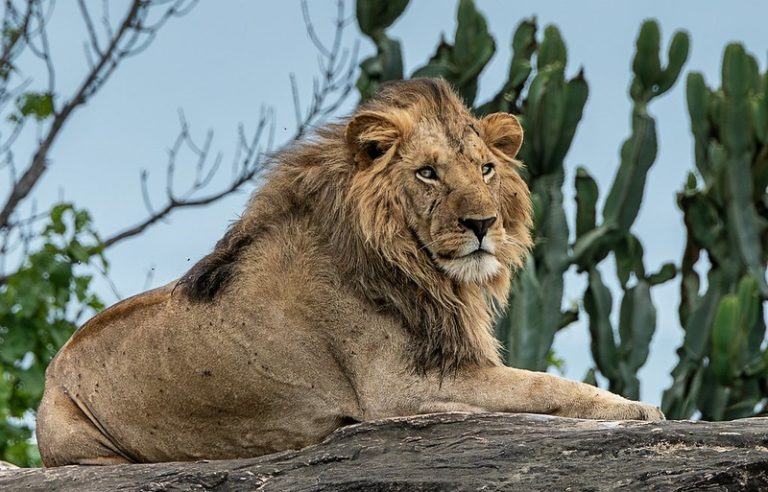
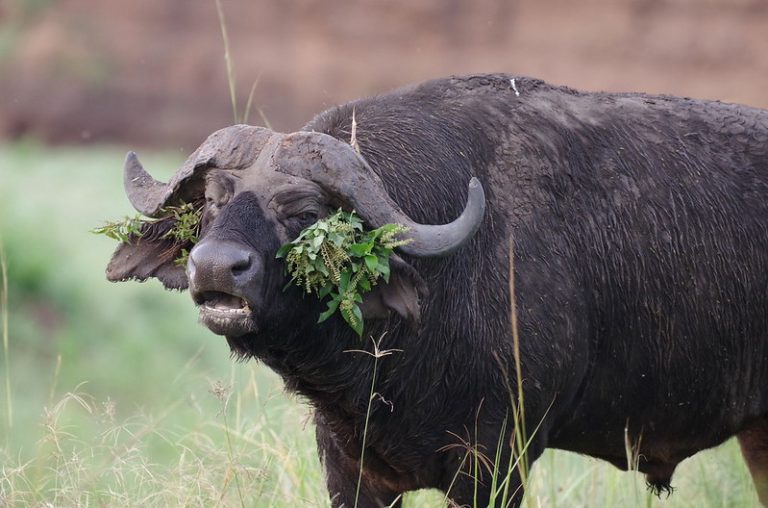
Kidepo is famous for its unique predators. On a morning game drive, we search for the cheetah (found only here in Uganda) and large herds of Cape Buffalo. The Narus Valley is a permanent water source, drawing high concentrations of elephants and lions during the dry season.
- Tourist Activities: Game viewing, landscape photography.
Day 4: The Kidepo River & The Great Ostrich
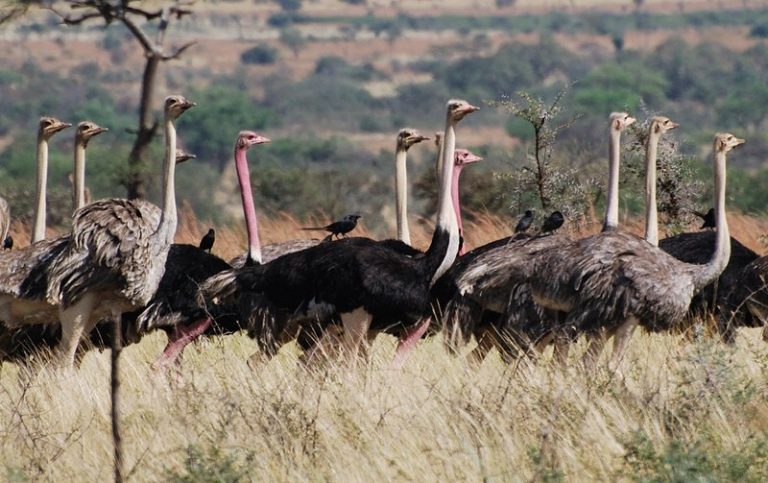
Explore the dry Kidepo River bed with its white sands and Borassus palm trees. This area is the best place to spot the Giant Ostrich. We engage in a guided nature walk, a low-impact way to see the smaller details of the ecosystem, from unique flora to specialized desert birds.
Day 5: Eco-Cultural Immersion: The Ik People
One of the most profound eco-tourism experiences in Uganda is the hike up Mount Morungole to visit the Ik people. This small, isolated community has preserved its ancient traditions. Your visit provides vital income to the community and encourages the preservation of their unique language and culture.
Day 6: Karamojong Manyattas & Conservation
Visit a local “Manyatta” (homestead) to learn about the pastoralist lifestyle of the Karamojong. We discuss the challenges of human-wildlife conflict in the region and how eco-tourism provides an alternative to poaching, ensuring the long-term survival of Kidepo’s cheetahs and lions.
Day 7: Farewell to the Wilderness
Enjoy a final sunrise over the valley before beginning the journey back. We arrive in Entebbe/Kampala late in the evening, carrying the silence and beauty of Africa’s most remote park with us.
Tourist Activities Included:
- Game Drives: Specialized search for cheetahs and lions.
- Walking Safaris: Nature-focused walks in the Kidepo River bed.
- Cultural Trekking: Meeting the Ik and Karamojong communities.
- Birding: Spotting over 475 species, including the Karamoja Apalis.
Inclusions & Exclusions
| Inclusions | Exclusions |
| Professional Eco-Guide & 4x4 Vehicle | International Flights & Visas |
| All Park Entry & Conservation Fees | Travel Insurance |
| Full Board Eco-Lodge Accommodation | Tips & Personal Gratuities |
| Community & Cultural Visit Fees | Alcoholic Beverages |
| Bottled Water for the Journey | Optional Hot Air Ballooning |
Frequently Asked Questions
- How remote is Kidepo Valley National Park? It is the most isolated park in Uganda, located in the far northeast. Its distance keeps tourist numbers low, making it a true “hidden wilderness.”
- Is it safe to visit the Karamojong communities? Yes, these community visits are organized in partnership with local elders and are a cornerstone of our sustainable tourism model.
- When is the best time to see cheetahs in Kidepo? The dry season (December to February) is best, as the grass is short and predators congregate near the Narus Valley water holes.