Chimpanzee Trekking in Uganda: The Ultimate Guide to Primate Safaris
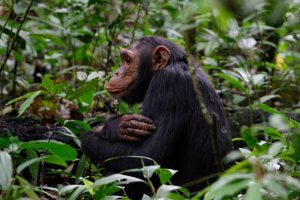
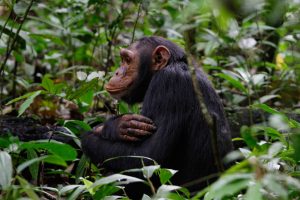
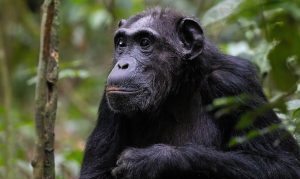
Uganda is widely celebrated as Africa’s ultimate primate capital. While standing meters away from mountain gorillas captures global headlines, trekking our closest living relatives—wild chimpanzees—is an entirely different, high-octane adventure.
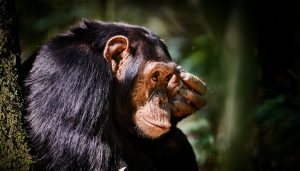
Chimpanzees share roughly 98.7% of our DNA. Watching them swing effortlessly through the canopy, listening to their deafening vocalizations, and witnessing their complex social dynamics is a raw, unforgettable experience. This comprehensive guide covers everything you need to know to plan a seamless chimpanzee trekking safari in Uganda.
Best Places for Chimpanzee Trekking in Uganda
Uganda is home to roughly 5,000 wild chimpanzees distributed across several protected rainforests and valleys. While a few locations offer near-guaranteed sightings, each destination brings a unique terrain and atmosphere to the trek.
1. Kibale National Park
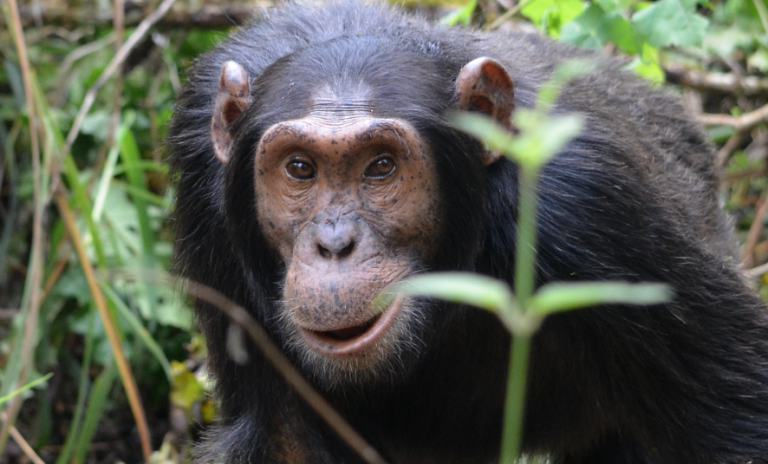
Kibale is the undisputed “Primate Capital of the World.” This 795-square-kilometer tropical rainforest harbors the highest density and diversity of primates in Africa—13 distinct species in total. With over 1,500 chimpanzees roaming the park, your chances of encountering a habituated community here stand at over 95%. The terrain is relatively flat, making it the most accessible and popular option for travelers.
2. Budongo Forest (Murchison Falls National Park)
Situated within the boundaries of the greater Murchison Falls Conservation Area, Budongo Forest is the second-best location for tracking. The forest boasts well-maintained, flat walking trails under an ancient canopy of mahogany trees. It offers exceptional sightings, particularly during the dry months when the chimps forage closer to the forest floor.
3. Kyambura Gorge (Queen Elizabeth National Park)
Known as the “Valley of Apes,” Kyambura Gorge is a dramatic, subterranean tropical rainforest slashed into the middle of the savannah plains. Trekking here is physically demanding as you scramble down the steep valley walls, but the experience of finding a isolated community of roughly 30 chimps trapped in this eco-island is profoundly atmospheric.
4. Kalinzu Forest
Located just outside Queen Elizabeth National Park, Kalinzu Forest is an incredible budget-friendly alternative. Managed by the National Forestry Authority (NFA), it hosts a large population of chimpanzees with high success tracking rates, supported by excellent local guides who know the forest intimately.

Chimpanzee Trekking vs. Habituation Experience
When booking your permit through the Uganda Wildlife Authority (UWA) or your tour operator, you will choose between two distinct encounters:
| Attribute | Standard Chimpanzee Trekking | Chimpanzee Habituation Experience (CHEX) |
| Time with Chimps | Strictly 1 hour | 4 hours (or full day) |
| Group Size | Max 8 tourists per group | Max 4 tourists per group |
| Activity Level | Moderate pace to locate a fully habituated troop | Fast-paced tracking of semi-habituated groups |
| Best For | Casual travelers, photographers, limited budgets | Primate enthusiasts, researchers, hardcore photographers |
| Attribute | Chimpanzee Trekking vs. Habituation Experience (CHEX) |
|---|---|
| Time with Chimps |
Standard Chimpanzee Trekking: Strictly 1 hour CHEX: 4 hours (or full day) |
| Group Size |
Standard Chimpanzee Trekking: Max 8 tourists per group CHEX: Max 4 tourists per group |
| Activity Level |
Standard Chimpanzee Trekking: Moderate pace to locate a fully habituated troop CHEX: Fast-paced tracking of semi-habituated groups |
| Best For |
Standard Chimpanzee Trekking: Casual travelers, photographers, limited budgets CHEX: Primate enthusiasts, researchers, hardcore photographers |
Chimpanzee Trekking Packages
Step-by-Step: The Trekking Procedure
If you are wondering what to expect on the day of your trek, the entire process follows a strict, well-organized protocol managed by park authorities.
- Morning Briefing:07:30 AM. Arrive at the park headquarters (e.g., Kanyanchu Center in Kibale) for registration. You will be assigned to a tracking group of eight people and briefed by a lead ranger on safety rules and expectations.
- The Forest Incursion:08:00 AM. Enter the rainforest under the escort of armed rangers and guides. Advanced trackers enter the forest earlier at dawn to locate where the chimpanzees nested the previous night, communicating via radio to guide your group directly to them.
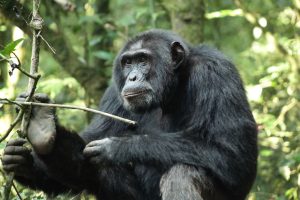
- The Contact Hour:Variable Timing. Once found, the countdown begins. You are permitted exactly 60 minutes to observe them as they groom, feed, argue, play, and navigate both the canopy and the forest floor.
- Return and De-brief: Hike back out of the forest to the visitor center. You will receive a personalized chimpanzee trekking certificate commemorating your trek and contributing to the conservation efforts.
Essential Rules and Regulations
To protect these endangered primates from human diseases and preserve their natural behaviors, all trekkers must strictly adhere to UWA conservation guidelines.
Health Notice: Because chimpanzees are genetically so close to us, they are highly susceptible to human respiratory diseases. If you are feeling sick, suffering from a cold, flu, or diarrhea, you will not be allowed to enter the forest.
Age Limit: Trekkers must be 12 years of age or older (this is slightly lower than the 15-year limit required for gorilla trekking).
Maintain Distance: Keep a minimum distance of 7 to 8 meters (23-26 feet) from the chimpanzees at all times.
No Flash Photography: Flash photography is strictly forbidden as it can startle the primates and trigger an aggressive response.
Do Not Eat or Drink: Consuming food or beverages within 8 meters of the chimpanzees is prohibited to prevent accidental littering or disease transmission through discarded scraps.
What to Pack for Your Chimp Trek
Preparation is key to enjoying your time in a tropical rainforest. Packing the wrong gear can lead to a miserable trek through dense undergrowth and bugs.
- Long-sleeved shirt & trousers: Protects your skin against stinging nettles, sharp branches, and insects. Tuck your trousers into your socks to prevent safari ants from crawling up your legs.
- Sturdy hiking boots: Choose shoes with good traction; forest floors can become muddy, slick, and uneven very quickly.
- Insect repellent: A high-quality repellent containing DEET is crucial to fend off bugs and tsetse flies.
- Light raincoat: Rainforest weather is notoriously unpredictable. A lightweight poncho or waterproof jacket should always be in your daypack.
- Minimum 1-2 liters of water: Trekking can take anywhere from 1 to 4 hours depending on chimp movement, so staying hydrated is essential.