
When Is the Great Migration? Definitive Monthly Safari Guide
Every year, travelers from all over the world look to book a journey to the endless savanna of East Africa, asking themselves one crucial question: when is the great migration? Knowing exactly when is the great migration will make or break your African safari experience, as arriving at the wrong sector during the wrong month could leave you looking at empty plains rather than millions of moving mammals.
The simple answer is that the Great Migration is a continuous, year-round, fluid cycle driven entirely by seasonal rainfall patterns across Tanzania’s Serengeti National Park and Kenya’s Maasai Mara National Reserve. Because the herds of over 1.5 million wildebeest, 200,000 zebras, and hundreds of thousands of gazelles move on a shifting timeline, tracking them requires planning your accommodations around their precise location month-by-month.
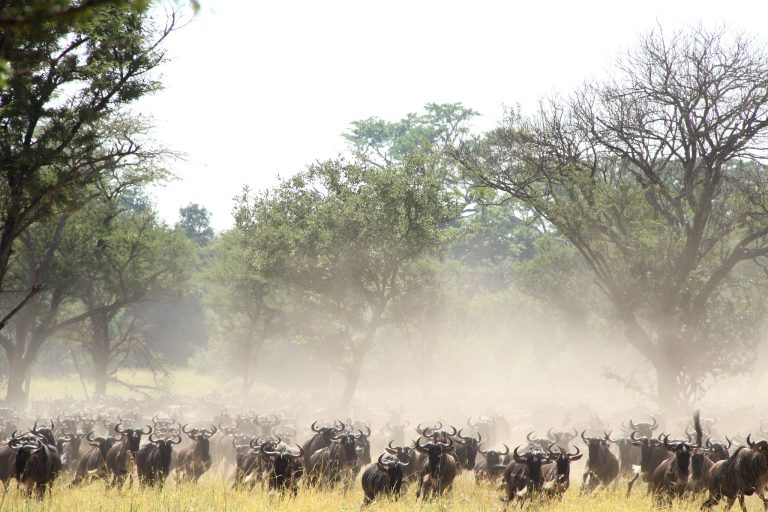
Why Do the Herds Move? Understanding the Ecological Engine.
To truly grasp the dynamics of the wildebeest movement, one must look beyond simple dates and examine the underlying ecological forces. The migration is not merely an optional journey; it is a brutal, relentless battle for survival. The animals are locked into a continuous loop dictated by the quality of water and forage.
The underlying volcanic geology of the region plays a foundational role. The southern plains of the Serengeti feature volcanic ash soils deposited thousands of years ago by the Ngorongoro volcano system. These soils are incredibly rich in essential minerals like calcium, phosphorus, and potassium. When the short rains fall here, the grass grows rapidly, absorbing these nutrients. For a pregnant or lactating wildebeest, grazing on these nutrient-rich grasses is non-negotiable for the healthy development of calves. However, as the dry season approaches, these shallow soils dry out instantly, forcing the mega-herds to seek permanent water sources further north and west, where deeper soils hold moisture longer but produce coarser, less nutrient-dense grass.
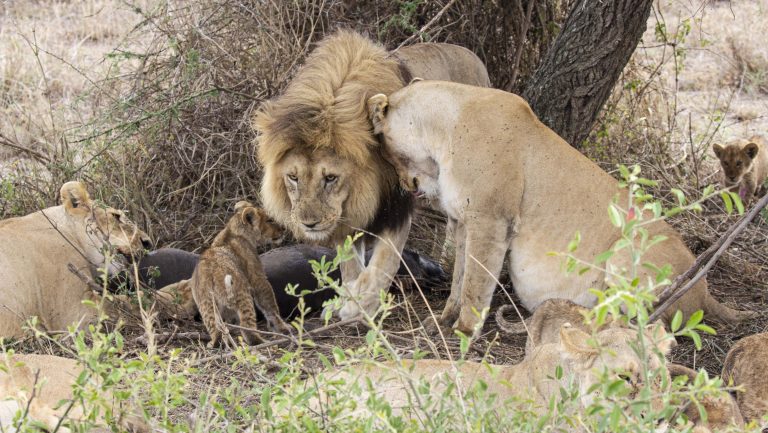
This delicate evolutionary balance keeps the entire ecosystem alive, supporting not just the herbivores, but thousands of apex predators—including lions, leopards, cheetahs, hyenas, and Nile crocodiles—that rely on the predictable influx of biomass to raise their own young.
Month-by-Month Breakdown: Tracking the Annual Loop
To plan a flawless trip, you need to align your flight dates and luxury lodge bookings with the seasonal geographic positioning of the mega-herds. Here is a definitive, 2-column breakdown of where the animals are throughout the calendar year:
| Calendar Months | Regional Geographic Focus & Primary Wildebeest Herd Behavior |
| January – March | The herds carpet the short-grass southern plains of the Serengeti, specifically around Ndutu and the Ngorongoro Conservation Area. February marks the high-intensity calving season, where some 500,000 calves are born within a two-week window, triggering massive predator-prey interactions. |
| April – May | As the southern plains dry up, the herds move northwest in long, multi-mile columns. This period coincides with the heavy long rains, and the herds pass rapidly through the Central Serengeti (Seronera region) toward the Western Corridor. |
| June – July | The migration gathers in the Western Corridor, facing its first severe physical barrier: the crocodile-infested Grumeti River. By July, the front runners move rapidly northward through the Grumeti and Ikorongo game reserves into the Northern Serengeti. |
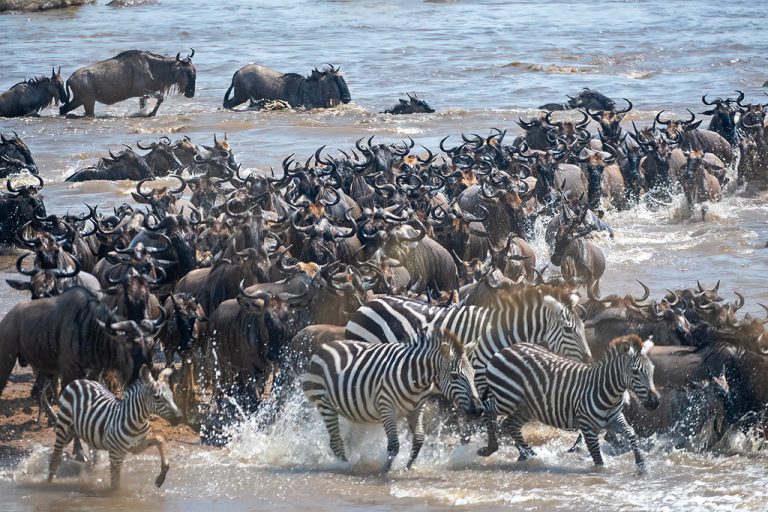
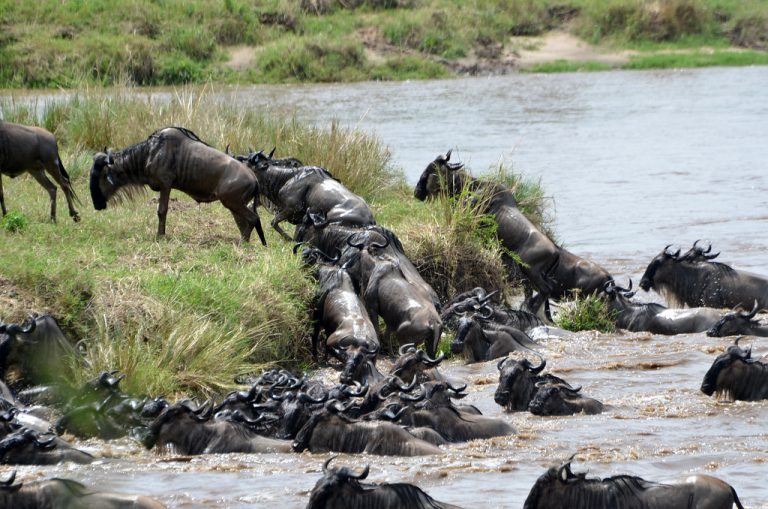
| August – October | The dry season peak of high-stakes action. The animals are concentrated in the Northern Serengeti (Kogatende) and cross back and forth across the treacherous Mara River into Kenya’s Maasai Mara, battling massive Nile crocodiles and crashing currents. |
| November – December | With the onset of the short rains in the south, the herds quickly abandon the northern reaches and journey down through the eastern boundaries of the Serengeti to return to the rich, volcanic southern soils to begin the loop anew. |
Decoding Peak Seasons: When Should You Book?
While the movement never truly stops, certain windows offer highly distinct wildlife experiences. Deciding when to visit depends entirely on what type of spectacle you hope to witness.
The Birthing Spectacle (January – March)
For travelers who prefer vulnerability, new life, and explosive big cat activity, the early months of the year are unmatched. The volcanic ash soils of the southern plains are packed with calcium and minerals, which are highly beneficial for lactating mothers. This is a time of incredible abundance, but it is also a time of high alert; lions, leopards, and cheetahs frequently use the tall brush around Ndutu to stalk fragile newborns. Witnessing a fragile calf stand on its feet within minutes of birth and run alongside its mother just a short while later is one of nature’s most deeply moving sights.
The Great Migration River Crossings (July – October)
If your ultimate dream is to see thousands of wildebeest throwing themselves down steep banks into rushing rivers, the dry season is when you must book. Water resources elsewhere dry up completely, forcing the herds to congregate along the permanent waters of the Mara River. This is the classic, high-octane safari scene made famous by nature documentaries. It requires immense patience from travelers, as herds can gather on the banks for hours, shifting back and forth anxiously before a single brave individual makes the initial plunge, triggering a chaotic domino effect.
Essential Safari Activities to Experience Along the Route
Witnessing the migration can be experienced through several world-class tourism activities:
- Custom 4×4 Game Drives: Open-sided safari vehicles allow close-up encounters with the herds, providing an immersive view of predator-prey dynamics and herd movement.
- Dawn Hot Air Ballooning: Ascending above the savanna at sunrise offers a panoramic view of long wildlife columns winding through the river systems.
- Walking Safaris with Rangers: Stepping out on foot in designated private concessions allows you to track animal footprints and learn about the local flora up close.
- Maasai Cultural Immersions: Visiting traditional pastoral bomas highlights how indigenous communities have successfully coexisted with wild ecosystems for centuries.
- Night Game Drives in Private Concessions: While prohibited inside national park boundaries, nearby private reserves allow you to witness nocturnal predators hunting under the cover of darkness.
6-Day Serengeti Master Itinerary: The High-Impact Migration Route
This carefully planned 6-day itinerary is optimized for the peak dry season (July – October), balancing the resident big-game populations of the Central Serengeti with the legendary river crossings of the Northern Serengeti.
Day 1: Fly to the Heart of the Serengeti (Seronera)
- Morning Logistics: Board a local scheduled bush-plane flight from Arusha or Kilimanjaro Airstrip. Fly over the dramatic Great Rift Valley wall and the expansive highlands before landing smoothly at Seronera Airstrip in the Central Serengeti.
- Afternoon Wildlife Exploration: Meet your private expert safari guide and embark on a game drive through the Seronera River Valley. This area has excellent year-round water, supporting a permanent population of leopards, lions, and hippos.
- Evening Camp Relaxation: Check into a luxury camp, such as the Four Seasons Safari Lodge, and enjoy a multi-course dinner overlooking a vibrant watering hole where elephants and buffalo often gather to drink.
Day 2: Full-Day Big Cat Safari in Central Serengeti
- Morning Strategic Search: Depart at dawn with a packed picnic breakfast to seek out active predators during the cool morning hours. Track lion prides resting on granite kopjes and leopards guarding kills in acacia branches.
- Afternoon Plains Journey: Explore the pristine contours of Makoma Hill or Turner Springs, observing resident buffalo herds, giraffes, and elephants moving through the tall grass savanna. Your guide will interpret tracks and animal distress calls to find hidden predators.
- Evening Campfire Traditions: Return to the lodge for sundowner drinks around a traditional safari campfire, sharing stories under the clear African night sky while listening to the distant roaring of territorial lions.
Day 3: Journey North into Mega-Herd Territory
- Morning Transition Drive: Enjoy a hot breakfast before undertaking a long-range safari drive heading directly north toward the Kogatende region.
- Afternoon Herd Encirclement: Stop for a luxury picnic lunch on a high ridge overlooking the endless plains. As you move north, the landscape transforms, and you will encounter the massive, grunting columns of the wildebeest migration moving parallel to your vehicle. The sheer sound and scent of hundreds of thousands of animals is overwhelming.
- Evening Wilderness Luxury: Cross into the northern sector and settle into an elite canvas mobile outpost, such as Sayari Camp, located just a short distance from the banks of the Mara River.
Day 4: High-Patience Tracking at the Mara River Banks
- Morning Riverside Patrol: Depart early with a gourmet packed lunch to spend a dedicated day tracking the world-famous river crossings.
- Afternoon The Crossing Phenomenon: Your guide will find a strategic, shaded vantage point a safe distance from the riverbanks to avoid spooking the animals. Watch as thousands of wildebeest gather on the rocky ledges, building up anxious energy. When a single leader finally leaps into the fast-flowing, crocodile-filled water, the rest follow in a dramatic stampede.
- Evening Bush Reflection: Return to your luxury tented camp for a candlelit dinner, listening to the resonant sounds of the bush and reflecting on the raw drama of survival witnessed during the day.
Day 5: Hot Air Balloon Sky Safari & The Lamai Wedge
- Morning Airborne Panorama: Wake up before dawn for a magical hot air balloon flight over the Mara River loop. Watch the sun illuminate the plains, giving you an expansive macro view of thousands of animals moving below.
- Afternoon Trans-Border Exploration: Celebrate landing with a traditional champagne bush breakfast. Spend the afternoon exploring the Lamai Wedge, a fertile triangle of land extending toward the Kenyan border that is highly favored by large cheetah families and elephant herds.
- Evening Astronomy Session: Return to camp for a specialized stargazing presentation led by your lodge’s naturalist guide, exploring the southern hemisphere constellations.
Day 6: Final Sunrise Safari & Departure Flight to Arusha
- Morning Final Tracking: Conduct a brief, focused morning safari around the northern kopjes to catch any big cats looking out over the plains from their elevated granite perches.
- Afternoon Homeward Logistics: Return to the lodge for a hearty mid-morning brunch before packing your bags. Your guide will transfer you to the Kogatende Airstrip for your flight back to Arusha.
- Evening Departure: As your flight ascends over the endless plains, you depart with an unforgettable, firsthand understanding of the true scale of the Great Migration.
Where to Stay: Recommended Lodges Matched to the Migration
To ensure you stay ahead of the animals, choose accommodation that aligns directly with your seasonal travel dates:
| Migration Sector | Recommended Luxury & Comfort Accommodations |
|---|---|
| Southern Serengeti (Jan – Mar) |
|
| Central Serengeti (Year-Round) |
|
| Western Corridor (Jun – Jul) |
|
| Northern Serengeti (Jul – Oct) |
|
Expert Safari Planning: Packing and Preparation Guidelines
Executing a flawless migration safari requires careful lifestyle and gear adjustments to match the rugged environment of the East African bush.
Recommended Clothing Strategies
The key to safari comfort is layering. Savanna mornings before dawn can be surprisingly chilly, with temperatures dropping significantly, while midday heat can be intense.
- Neutral earth tones such as khaki, olive, and tan are essential to blend into the environment and avoid attracting unwanted attention from wildlife.
- Avoid dark blue and black clothing completely, as these specific colors are known to attract tsetse flies, which carry a painful bite.
- Sturdy, broken-in trail shoes or lightweight hiking boots are vital for bush walks, alongside a wide-brimmed safari hat and polarized sunglasses to block the harsh equatorial glare.
Essential Gear and Photography Equipment
To capture the fast-paced motion of river crossings or predatory chases, specialized equipment makes a vast difference.
- Bring a DSLR or mirrorless camera body equipped with a telephoto zoom lens (ideally 200mm to 600mm) to capture crisp close-ups from a safe, respectful distance.
- Extra camera batteries and high-speed memory cards are mandatory, as cold mornings drain batteries rapidly, and action sequences generate hundreds of high-resolution files.
- High-quality binoculars (8×42 or 10×42 magnification) are arguably the most important tool in your vehicle, allowing you to scan distant horizons for hidden leopards or oncoming movement.
Frequently Asked Questins About the Migration
Can the exact dates of the river crossings be guaranteed?
No, the exact dates cannot be guaranteed because the animals are guided entirely by rainfall and the growth of new grass. While they are consistently in the northern region from July to October, a river crossing requires immense patience and can happen at any time during the day.
Is it better to see the migration in Kenya or Tanzania?
Both countries offer spectacular views. However, because Tanzania’s Serengeti holds roughly 80% of the ecosystem’s total area, the herds spend nine months of the year inside Tanzania, making it the ideal choice for a longer, more comprehensive safari.
How far in advance should a migration safari be planned?
Because premier luxury camps near the river crossings and calving grounds have highly restricted bed capacities, it is recommended to secure your bookings 8 to 12 months in advance to ensure availability during peak seasons.
What happens if the rains arrive late or early?
If seasonal weather patterns shift, the herds alter their travel speed accordingly. Experienced safari guides rely on a sophisticated radio communication network and real-time satellite maps to locate the primary concentrations of animals, shifting the daily drive routes dynamically to maximize your viewing time regardless of minor weather anomalies.