
Save Lions Uganda: Turning Safaris Into Lifelines for Our Big Cats
Uganda is famous for its breathtaking landscapes and incredible biodiversity, but behind the scenic vistas lies an urgent wildlife crisis. The iconic African lion (Panthera leo) is facing an unprecedented battle for survival. Decades of habitat fragmentation, human-wildlife conflict, and indiscriminate snaring have caused a tragic collapse in wild populations.
When you book a safari through Save Lions Uganda, you are choosing to be part of the solution. Every traveler who enters our national parks plays a direct role in funding lion conservation in uganda. Your tourism revenue provides the financial backbone for community livelihoods, ranger patrols, and veterinary interventions. By visiting Uganda, you aren’t just taking a holiday—you are actively saving a lion’s life.
The Tragic Reality: Low Lion Populations in Uganda’s Parks
Recent scientific censuses and official wildlife reports paint a stark and sobering picture of Uganda’s remaining big cats. Total national numbers across all protected areas have dwindled to critically low levels, making aggressive, targeted lion conservation in uganda more vital than ever before.
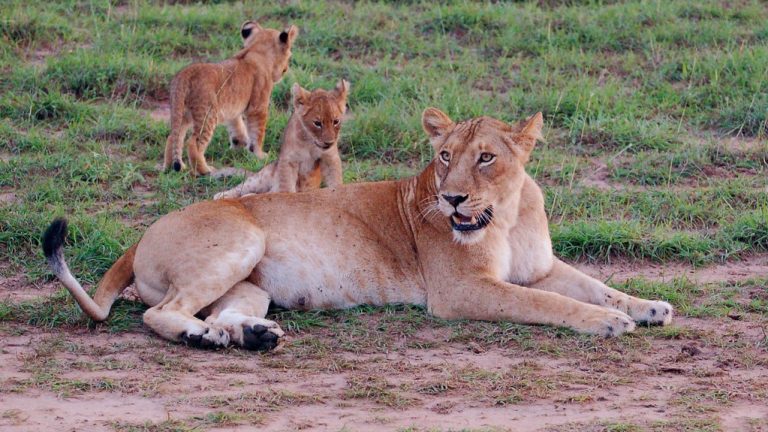
| National Park | Estimated Lion Population (June 2026) |
|---|---|
| Murchison Falls National Park | ~230 – 240 |
| Queen Elizabeth National Park | ~40 |
| Kidepo Valley National Park | 12 |
| Total National Wild Population | 291 |
Murchison Falls National Park
While Murchison Falls remains the ultimate stronghold for the country’s big cats—harboring roughly 80% of the national population—the numbers are still highly vulnerable. The concentration of so many individuals in a single geographic space leaves the population structurally exposed to disease outbreaks, snaring, and industrial disturbances from nearby development. Protecting this specific habitat is the highest priority for lion conservation in uganda.
Queen Elizabeth National Park
Historically celebrated for its famous tree-climbing lions in the southern Ishasha sector, Queen Elizabeth has suffered devastating losses. Intense human-wildlife conflict along park boundaries and tragic retaliatory poisoning incidents by livestock farmers have left the park with an estimated population of fewer than 50 lions. Without constant monitoring and community compensation programs, this iconic population faces local extinction.
Kidepo Valley National Park
In the rugged, remote northeast corners of Uganda, Kidepo Valley offers a stunning, raw landscape, but its lion population is hanging on by a thread. Experts estimate that fewer than 20 individual lions remain in this isolated wilderness. The extreme isolation means these prides face a high risk of inbreeding and genetic vulnerability, requiring urgent and specialized lion conservation in uganda to ensure their long-term survival.
How Tourism Directly Funds Conservation
Under the Uganda Wildlife Authority (UWA) framework, 20% of all park entrance fees are legally shared directly with the local communities living along park boundaries. When communities economically benefit from tourism, they view lions as assets to be protected rather than threats to their livestock. Furthermore, your park fees directly pay the salaries of anti-poaching rangers who clear wire snares from the savannah. No tourists means no funding, and no funding means no lions.
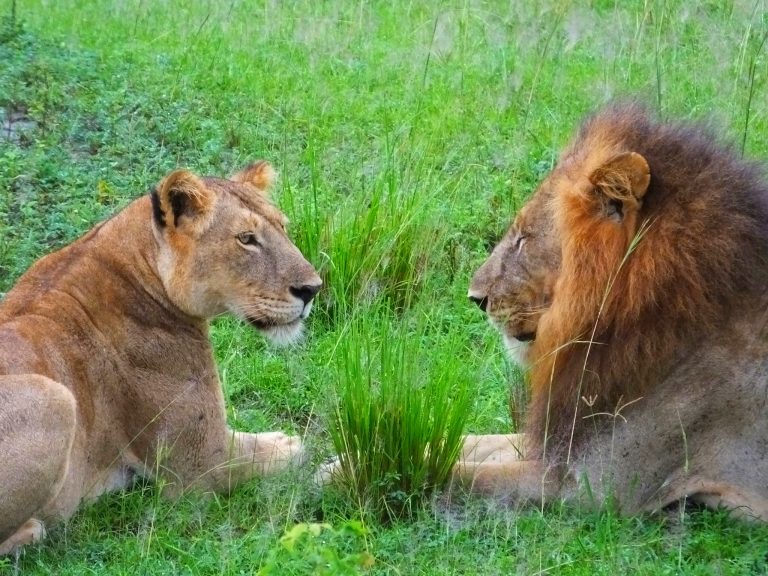
4-Day Murchison Falls Lion Conservation Safari
This specially curated 4-day itinerary combines classic big-game viewing with a deep dive into the ground-level mechanics of lion conservation in uganda.
1.Day 1: Journey to Murchison via Ziwa Rhino Sanctuary:Approx. 6 hours drive.
Depart early from Kampala or Entebbe and head north. Stop at the Ziwa Rhino Sanctuary to track wild rhinos on foot—a crucial initiative that restored the first of the Big Five back to Uganda. Continue into Murchison Falls National Park, arriving at your lodge for dinner and a briefing on the current state of local carnivore protection.
2.Day 2: Sunrise Predator Tracking & Nile Boat Cruise:Morning & Afternoon sessions.
Embark on a specialized early morning game drive along the Buligi tracks on the northern bank of the Nile. Accompanied by a researcher or experienced guide, you will search for resident prides. In the afternoon, take a 3-hour boat cruise to the base of Murchison Falls, viewing hippos, giant crocodiles, and elephants watering along the riverbanks.
3.Day 3: Top of the Falls Hike & De-snaring Demonstration:Physical activity & Conservation insight.
Cross the river for a morning hike to the dramatic Top of the Falls to feel the power of the Nile squeezing through a 7-meter gorge. In the afternoon, participate in an educational session with a community conservation group to see how confiscated wire poaching snares are transformed into unique wildlife art, learning about human-wildlife conflict mitigation.
4.Day 4: Morning Game Drive & Return to Kampala:Final tracking & Departure.
Conduct a short, final sunrise game drive to spot any elusive leopards or lions before they seek shade from the midday heat. Check out of the park and enjoy a scenic drive back to Kampala, concluding your impactful wildlife journey.
Tourist Activities Related to Lion Conservation in Murchison Falls
When visiting Murchison Falls National Park, you can choose specific activities that actively highlight, support, and fund the survival of large carnivores:
- Experiential Lion Tracking: Join researchers from the Uganda Carnivore Program or UWA rangers equipped with telemetry radio-collars. You will head off-track early in the morning to locate monitored prides, record behavior data, assess body health, and learn how satellite tracking guards against poaching.
- Anti-Poaching Ranger Station Visits: Visit local conservation headquarters to meet the rangers working on the frontlines. Tourists can view displays of thousands of wire snares recovered from the bush—snares that are intentionally set for bushmeat but frequently catch and maim young lion cubs.
- Community Coexistence Clean-Ups and Dialogues: Participate in structured cultural visits to the villages bordering the park. Learn how local communities are constructing predator-proof livestock pens (bomas) to keep their cattle safe at night, eliminating the need for retaliatory lion poisonings.
- Purchasing Snares-to-Art Crafts: Support local reformed poachers and women’s cooperatives by buying unique souvenirs crafted directly from melted-down wire snares. The proceeds provide alternative incomes to forest-adjacent communities, reducing illegal entry into lion habitats.
Book A Safari With Us
By joining the Save Lions Uganda movement, your travel footprint turns into a shield for East Africa’s apex predators. Let your next journey be the reason the lions of Murchison, Queen Elizabeth, and Kidepo continue to roar for generations to come.