
The Ultimate 3 Day Bwindi Birding Itinerary
Bwindi Impenetrable National Park birding is widely considered the best in Africa. Home to over 350 species, including 23 of the 24 Albertine Rift endemic birds found in Uganda, this UNESCO World Heritage site is a “must” for any serious birder’s life list.
This detailed 3 day Bwindi birding itinerary focuses on the high-altitude Ruhija sector, the most reliable spot for the elusive African Green Broadbill, and the diverse “Neck” region.
Trip Overview: 3 Day Bwindi Birding Itinerary
Day-by-Day Summary
This summary provides a quick glance at your forest birding in Bwindi Impenetrable National Park schedule. Keep your Bwindi bird checklist handy throughout!
| Day | Itinerary Highlight & Target Species |
|---|---|
| Day 1 | Arrival & Ruhija Forest Birding: Begin your forest birding in Bwindi Impenetrable National Park with an afternoon walk. Key Species: Rwenzori Batis, Handsome Francolin, Regal Sunbird, and Mountain Masked Apalis. |
| Day 2 | The Mubwindi Swamp Trek: A deep forest excursion targeting the most sought-after Albertine Rift endemic birds. Key Species: African Green Broadbill, Grauer’s Swamp Warbler, and Yellow-eyed Black Flycatcher. |
| Day 3 | The Neck & Departure: Finalize your Bwindi bird checklist at “The Neck,” a mid-altitude riverine forest corridor. Key Species: Black Bee-eater, Cassin’s Flycatcher, and Mountain Wagtail. |
Trip Inclusions & Exclusions
To ensure a seamless experience during your 3 day Bwindi birding itinerary, it is important to know exactly what is covered in your professional birding package.
Inclusions
- Professional Birding Guide: An expert site guide specialized in Albertine Rift endemic birds and Bwindi’s unique terrain.
- Park Entrance Fees: All conservation fees for Bwindi Impenetrable National Park.
- Mubwindi Swamp Guided Trek: Specialized permits and ranger fees for the African Green Broadbill trek.
- Accommodation: 2 nights stay in the Ruhija sector (standard or luxury, depending on your preference).
- Meals: Full-board basis (Breakfast, Lunch, and Dinner) during the 3 days.
- Transport: 4×4 Safari vehicle with a pop-up roof and fuel for all birding transfers.
- Bottled Water: Daily supply of drinking water during forest walks.
Exclusions
- International Flights: Airfare to and from Entebbe International Airport.
- Ugandan Visa: Currently $50 USD for a standard tourist visa (must be applied for online).
- Gorilla Trekking Permits: If you wish to add a gorilla encounter, this must be booked separately (approx. $800 USD).
- Travel Insurance: Comprehensive medical and travel insurance is highly recommended.
- Tips and Gratuities: For your driver-guide, site guides, and lodge staff.
- Personal Expenses: Laundry, telephone calls, and alcoholic beverages.
Detailed Itinerary:3 Day Bwindi Birding Itinerary
Day 1: Arrival in Ruhija & Initial Forest Birding
Your journey into forest birding in Bwindi Impenetrable National Park begins in the Ruhija sector. Situated at a higher altitude than Buhoma, Ruhija offers a cooler climate and immediate access to several localized specialties.
- Morning: Arrival and check-in at your lodge. Start with a walk along the main road and forest edges.
- Target Species: Keep an eye out for the Handsome Francolin, Rwenzori Batis, and the Western Green Tinkerbird. The forest edges are also great for spotting the Cinnamon-chested Bee-eater and Mountain Masked Apalis.
- Afternoon: Specialized birding along the School Trail or Bamboo zone.
- Key Birds: Regal Sunbird, Stripe-breasted Tit, and the Dusky Crimsonwing.
Day 2: The Mubwindi Swamp – Tracking the African Green Broadbill
This is the highlight of any Bwindi birding tour. The hike to Mubwindi Swamp is physically demanding but offers the highest concentration of Albertine Rift endemic birds.
- The Trek: A deep descent into the ancient forest toward the swamp.
- The Prize: This is the most reliable site globally for the African Green Broadbill.
Other Sightings: While at the swamp, scan for the Grauer’s Swamp Warbler, Yellow-eyed Black Flycatcher, and Purple-throated Sunbird.
The Return: On the hike back up, look for the Red-faced Woodland Warbler and Dwarf Honeyguide.
Day 3: Birding “The Neck” & Departure
Before concluding your safari, you will explore “The Neck”—a narrow corridor of forest connecting the northern and southern sectors of the park. This area provides a unique mix of mid-altitude and riverine species.
- Morning Birding: Focus on the riverine forest and the bridge area.
- Target Species: This is a prime spot for the Black Bee-eater, Cassin’s Flycatcher, and the Mountain Wagtail found near the running water. You may also tick off the African Black Duck and the Many-colored Bush-shrike.
- Afternoon: Transfer back to Entebbe or your next destination, completing your 3 day Bwindi birding itinerary.
Bwindi Bird Checklist: Top 10 Must-See Species
Before you head out, ensure your Bwindi bird checklist includes these iconic Albertine Rift endemics:
- African Green Broadbill (Gape-mouthed and elusive)
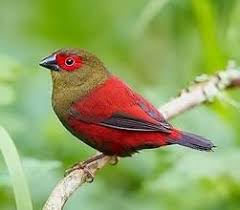
- Shelley’s Crimsonwing (One of the rarest finches in Africa)
- Handsome Francolin (Often seen early morning on trails)
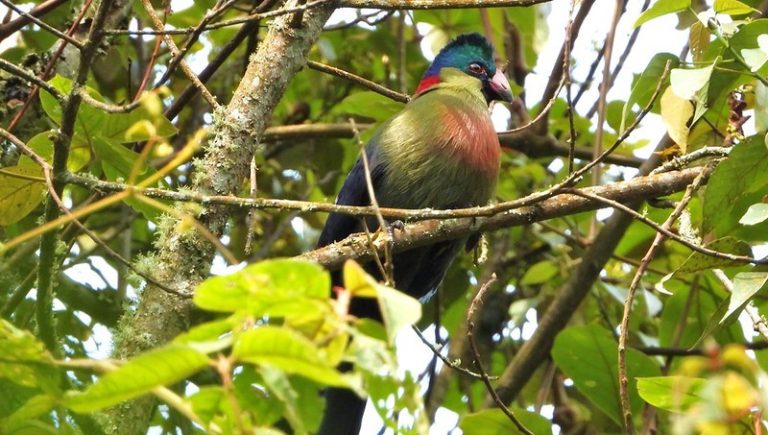
- Rwenzori Turaco (Stunning plumage and loud calls)
- Grauer’s Warbler (A secretive forest dweller)
- Regal Sunbird (Iridescent and frequently active)
- Short-tailed Warbler (A ground-skulking specialist)
- Blue-headed Sunbird (Found in the high-altitude canopy)
- Doherty’s Bush-shrike (Known for its vibrant red and yellow colors)
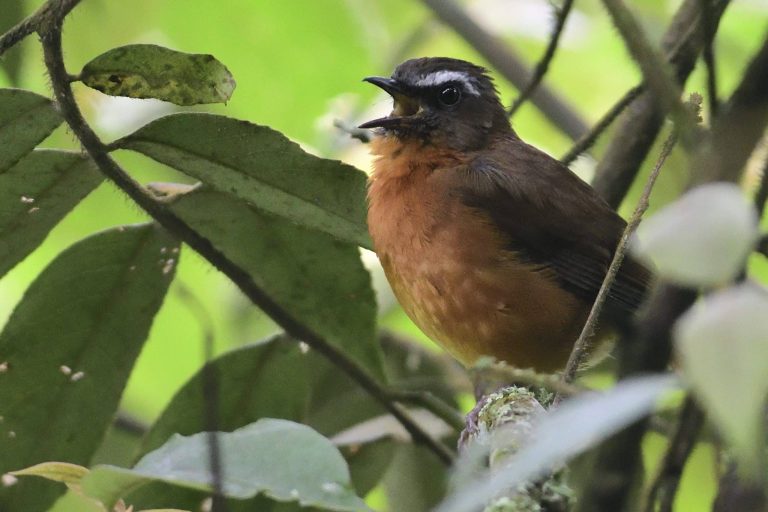
- Archer’s Robin-Chat (Often found in the dense undergrowth)
Are you ready to tick the African Green Broadbill off your list? Contact us today to book your professional birding tour!