Uganda Birding Safaris 2026: The Ultimate Guide to Uganda’s Avian Wonders
Experience World-Class Birding Safaris in Uganda
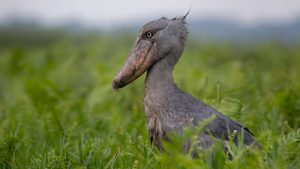
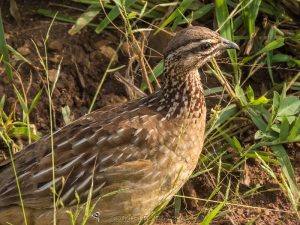
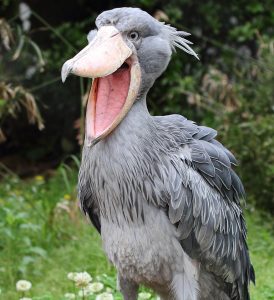
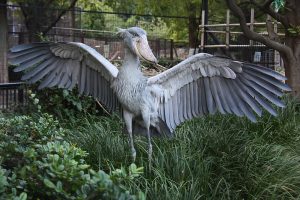
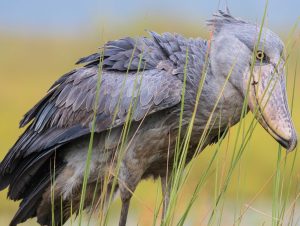
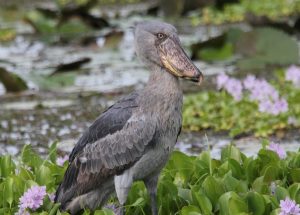
Uganda is a premier destination for bird enthusiasts, boasting over 1,060 recorded bird species within its diverse ecosystems. From the vast wetlands of Lake Mabamba to the dense montane forests of Bwindi, Uganda Birding Safaris offer a unique opportunity to spot rare endemics and iconic species like the prehistoric-looking Shoebill Stork.
At Active Uganda Safaris, we specialize in tailored birding tours in Uganda that combine expert ornithological knowledge with the breathtaking landscapes of the “Pearl of Africa.”
Recommended Uganda Birding Tours 2026 (Uganda Birding Safari Packages)

See Our Gorilla Trekking Packages
Checkout our affordable gorilla trekking packages in Bwindi National Park & Mgahinga National Park

See Our Gorilla Trekking Packages
Checkout our affordable gorilla trekking packages in Bwindi National Park & Mgahinga National Park

Affordable Uganda Trips
See the big five in their natural habitals, go water rafting in adventurous Jiinja City of Uganda

Zziwa Rhino Ranch
Participate in global rhino conservation by visiting Zziwa Rhino Ranch Of Uganda
What to Expect on Birding Tours in Uganda
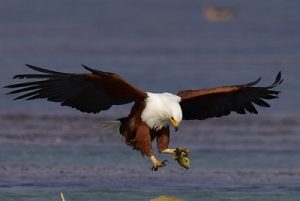
Uganda hosts nearly 50% of Africa’s bird species and 10% of the world’s total avian population. The country’s unique geographical location—where the East African savannah meets the West African rainforest—creates a melting pot of biodiversity.
- The Rare Shoebill Stork: Often the highlight of any trip, this elusive bird is best sighted in the swampy fringes of Lake Victoria and Murchison Falls.
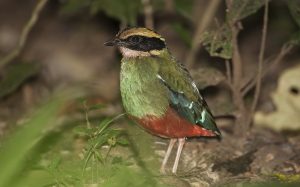
- Albertine Rift Endemics: Western Uganda is home to 24 of the 26 Albertine Rift endemics, including the stunning African Green Broadbill.
- Diverse Habitats: Experience birding across savannahs, tropical rainforests, massive wetlands, and high-altitude afro-alpine zones.
Best Uganda birding destinations (The Best Uganda Birding Spots)
To make the most of your journey, our itineraries focus on the country’s most “bird-rich” hotspots:
Mabamba Bay Wetland
Located on the edge of Lake Victoria, this RAMSAR site is the most reliable place to spot the Shoebill Stork. We navigate the narrow channels by traditional canoe to get you as close as possible to this magnificent bird.
Bwindi Impenetrable National Park
While famous for Mountain Gorillas, Bwindi is also a UNESCO World Heritage site for its birds. Key species include the Grauer’s Broadbill, Chapin’s Flycatcher, and Shelley’s Crimsonwing.
Queen Elizabeth National Park
With over 600 species, this park holds the highest bird count in Uganda. Keep your binoculars ready for the African Skimmer, Martial Eagle, and the Pel’s Fishing Owl along the Kazinga Channel.
Murchison Falls National Park
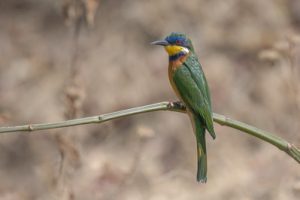
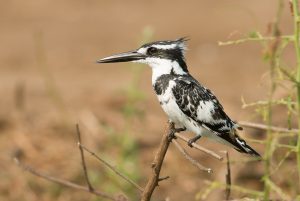
Birding here offers a mix of water birds and savannah species. A boat cruise to the base of the falls provides sightings of Red-throated Bee-eaters, Goliath Herons, and various Kingfishers.
Best Time to Go Birding in Uganda
While birding is excellent year-round, the best time for birding safaris in Uganda is during the dry seasons (December to February and June to August). For those interested in migratory species, November and April are ideal as Palearctic migrants arrive from Europe and Northern Africa.
Expert Ugandan Birding Guides & Logistics
At Active Uganda Safaris, we understand that a successful birding trip relies on the expertise of the guide. Our team consists of local birding specialists who recognize calls, understand nesting patterns, and know exactly where the rare species hide.
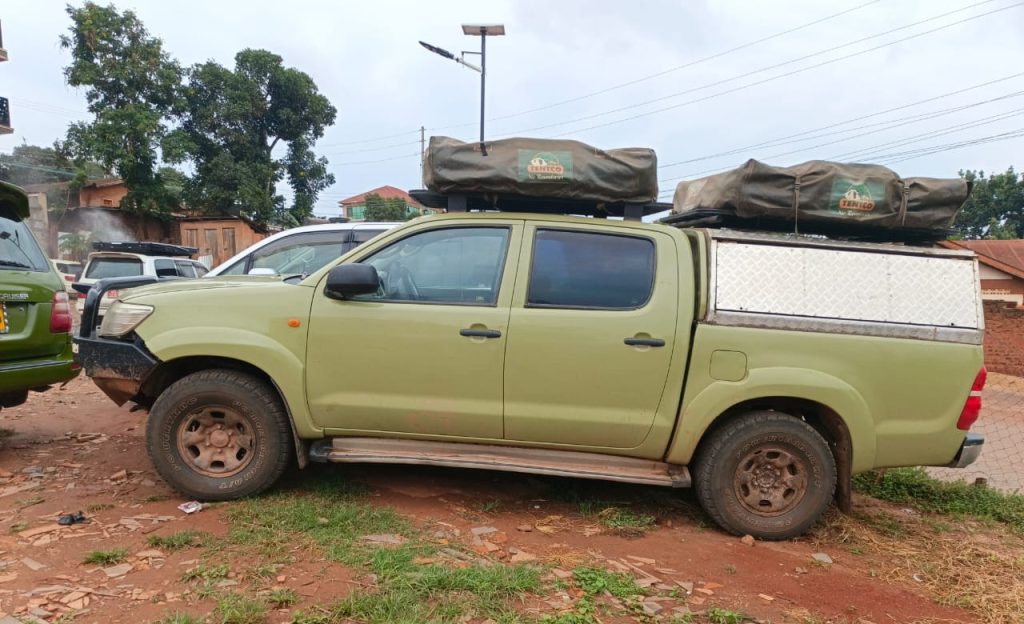
- Comfortable 4×4 Vehicles: Outfitted with pop-up roofs for easy viewing.
- Ornithological Equipment: We provide high-quality spotting scopes for the group.
- Eco-Friendly Lodging: We partner with lodges that prioritize conservation and offer great “balcony birding” opportunities.
Why Active Uganda Safaris is the Leader in Birding Safaris Uganda
- Customized Pace: We understand that birding is not a “game drive.” We plan for early starts and extended time at specific “stake-outs.”
- Logistics for Photographers: Our 4×4 vehicles are equipped with beanbags and window mounts to support long lenses for bird photography.
Essential Packing List for Your Uganda Birding Safari
To ensure a successful and comfortable experience spotting Uganda’s 1,000+ species, we recommend all birders include these essentials in their field bag:
High-Quality Optics
- Binoculars: A pair of 8×42 or 10×42 binoculars is the most critical tool. The 42mm lens ensures enough light for spotting birds in the dark understory of Bwindi or Kibale forests.
- Spotting Scope: Optional but highly recommended for open areas like the Kazinga Channel or the shoebill-rich Mabamba wetlands.
- Cleaning Kit: Microfiber cloths and lens pens to manage dust and humidity.
Specialized Reference Materials
- Field Guidebooks: The Birds of East Africa (Terry Stevenson & John Fanshawe) is the gold standard for this region.
- Birding Apps: Download the Merlin Bird ID (with the African pack) or the eBird app to log your sightings in real-time.
- Field Notebook & Pen: For those who prefer sketching or noting specific behaviors and location data.
Appropriate Field Clothing
- Neutral Colors: Wear khaki, olive green, or beige to blend into the environment. Avoid bright colors (which startle birds) and dark blue/black (which attract tsetse flies).
- Long-Sleeved Layers: Lightweight, moisture-wicking long shirts and trousers protect you from both the equatorial sun and stinging nettles or insects.
- Sturdy Hiking Boots: Waterproof boots with good ankle support are essential for the muddy trails of Bwindi and the uneven terrain of the Albertine Rift.
- Wide-Brimmed Hat: To protect your face and neck during long hours of observation in the savannah.
Photography & Tech
- Camera Gear: A DSLR or mirrorless camera with at least a 300mm–600mm lens is ideal for capturing distant avian details.
- Power Bank & Extra Batteries: Many birding hotspots are remote; ensure you have enough power for your devices and extra memory cards for your camera.
- Waterproof Daypack: A light bag with a rain cover to protect your expensive optics and electronics during sudden tropical showers.
Health & Comfort
- Insect Repellent: A DEET-based repellent is necessary, especially when birding near water or in dense forests.
- Sunscreen & Lip Balm: The Ugandan sun is intense; high-SPF protection is a must.
- Reusable Water Bottle: Stay hydrated during long nature walks. We provide refill stations to minimize plastic waste.
- Light Rain Jacket/Poncho: Even in the dry season, rain can occur at any time in the rainforest.
Book Your Uganda Bird Watching Safari Today
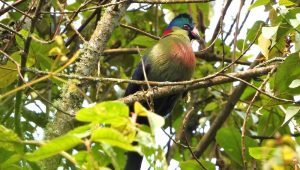
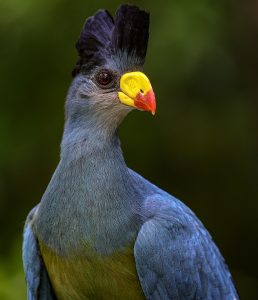
Ready to check the Shoebill or the Great Blue Turaco off your life list? Contact our travel specialists at Active Uganda Safaris to start planning your custom birding adventure.
Uganda Birding Safari FAQ: Everything You Need to Know About Birding Safaris in Uganda
Uganda is one of Africa’s top destinations for an unforgettable Uganda birding safari, with over 1,070 bird species across diverse habitats like forests, wetlands, and savannahs.
Popular Uganda birding safaris visit hotspots such as Bwindi Impenetrable Forest, Mabamba Swamp, and Queen Elizabeth National Park, offering chances to see rare species like the Shoebill Stork and Great Blue Turaco.
Whether you’re interested in bird watching in Uganda or combining it with gorilla trekking and wildlife tours, this guide answers key questions to help you plan a rewarding birding safari experience.
What makes Uganda a top birding destination?
Uganda is one of Africa’s best birding destinations, with over 1,070 recorded bird species—almost half of Africa’s total. Its diverse habitats (forests, wetlands, savannah, and mountains) make it ideal for spotting rare and endemic birds.
When is the best time for birding in Uganda?
Birding is excellent year-round, but the best time is during the dry seasons:
- December to February
- June to August
These months offer easier access to parks and better visibility.
What birds can I expect to see in Uganda?
Some of the most sought-after species include:
- Shoebill Stork
- Great Blue Turaco
- African Green Broadbill
- Grey Crowned Crane (Uganda’s national bird)
Uganda is especially known for Albertine Rift endemics and forest species.
Do I need a professional birding guide?
Yes, a professional birding guide is highly recommended. Expert guides help identify species by sight and sound, significantly increasing your bird count and overall experience.
What should I pack for a birding safari in Uganda?
Essential items include:
- Binoculars (8x or 10x recommended)
- Camera with zoom lens
- Lightweight hiking boots
- Rain jacket or poncho
- Insect repellent and sunscreen
- Neutral-colored clothing
These items ensure comfort and better bird viewing in different habitats.
Is Uganda safe for birding safaris?
Uganda is generally considered safe for tourists, especially in national parks and guided tours. Visitors should follow standard travel precautions and guidance from their tour operator.
Do I need a visa to visit Uganda?
Most travelers require a visa, which can be obtained online or on arrival. Your passport must be valid for at least six months beyond your travel date.
What is the weather like in Uganda?
Uganda has a tropical climate moderated by altitude:
- Average temperatures: 16°C–25°C
- Rainy seasons: March–May and September–November
This climate supports rich biodiversity and birdlife.
What are the top birding locations in Uganda?
Top birding hotspots include:
- Bwindi Impenetrable Forest
- Mabamba Swamp (for Shoebill)
- Queen Elizabeth National Park
- Murchison Falls National Park
- Kibale Forest
Can birding safaris be combined with other activities?
Yes, birding safaris in Uganda can easily be combined with:
- Gorilla trekking
- Chimpanzee tracking
- Game drives
- Cultural tours