
What Is the Most Dangerous Animal in the World?
When searching for the definitive killer of the animal kingdom, you will find endless debates. Most mainstream websites tell you it is the mosquito because they only measure human deaths from disease. Others point to massive, aggressive mammals like the hippopotamus.
The confusion stems from a simple flaw: most sources fail to categorize these threats correctly, and they completely ignore the bigger picture. If we define “dangerous” by the sheer volume of life destroyed, ecosystem collapse, and threat to the future of this planet, the old internet answers are completely wrong.
Let’s settle this debate permanently with a modern, scientifically accurate breakdown.
The Ultimate Lethality Breakdown
| Scientific Query & Answer | Total Global Impact / Annual Death Toll |
|---|---|
|
The Ultimate Threat
What is the most dangerous animal in the world? Human (Homo sapiens) |
Millions of species annually. Includes ~600,000 human homicides/warfare deaths, plus the systematic eradication of entire ecosystems via habitat destruction and pollution leading to millions of deaths of other animals annually. |
|
Deadliest Disease Vector
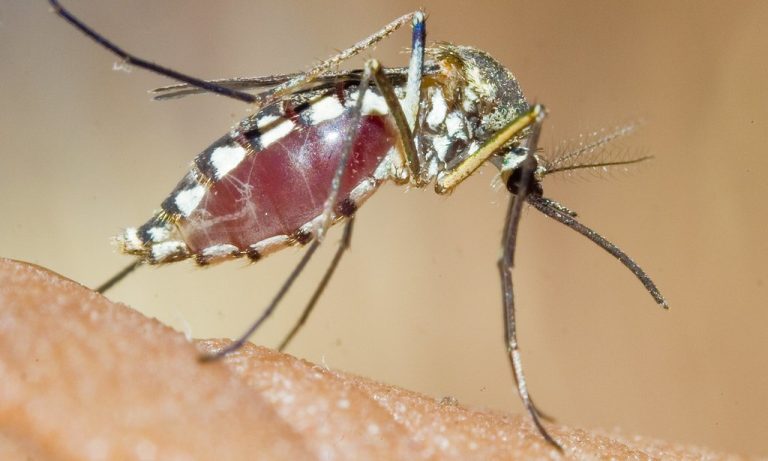
What is the most dangerous animal in the world to humans? Mosquito (Anopheles / Aedes) |
~760,000+ human deaths annually via disease transmission (Malaria, Dengue, Zika). |
|
Deadliest Wild Mammal
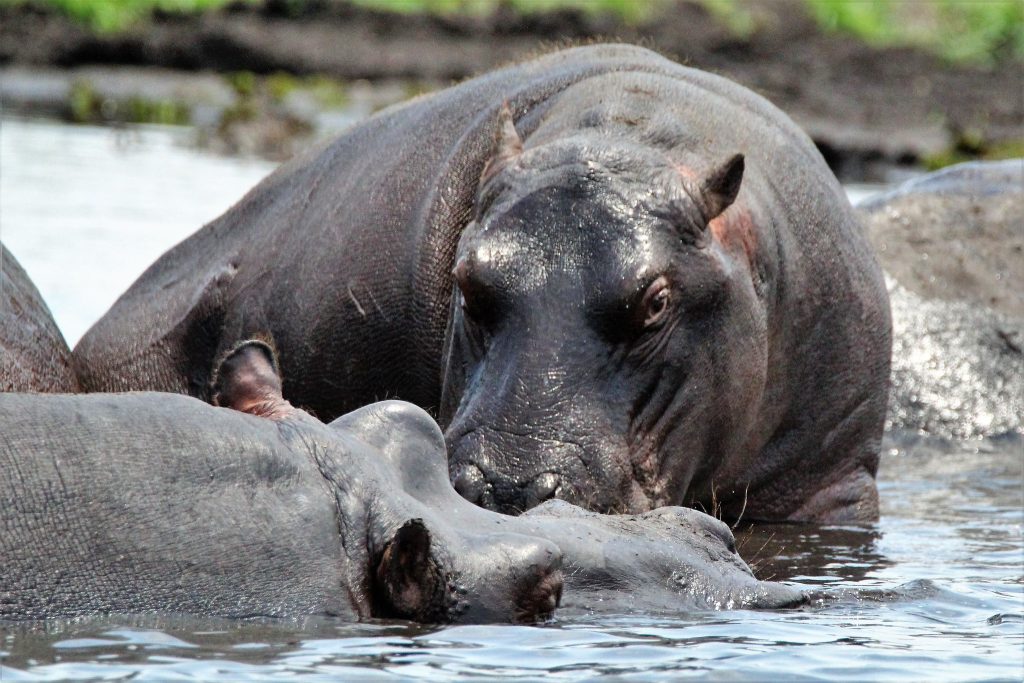
What is the most dangerous mammal to humans in the world? Hippo (Hippopotamus amphibius) |
~500 to 3,000 human deaths annually via aggressive territorial defense. |
1. What Is the Most Dangerous Animal in the World?
The absolute, definitive answer to what is the most dangerous animal in the world? is the human being (Homo sapiens).
Most basic wildlife blogs crown the mosquito because they look only at human-on-human casualty statistics. But humans are biologically classified as animals, and when you look at the total destruction of life on this planet, man is the undisputed champion of death.
Our danger operates on two catastrophic levels:
1. Interpersonal Violence
Directly, humans are terrifyingly lethal to their own kind. According to global conflict and homicide indices, humans intentionally kill roughly 600,000 other humans every single year through homicide, systemic warfare, and geopolitical violence. No other apex predator actively massacres its own species on this scale.
2. Planetary and Habitat Destruction
This is where the mosquito argument completely falls apart. A mosquito can only pass a pathogen from one host to another. Humans, however, threaten the future of all biological life. Through industrial pollution, plastic dumping, deforestation, and climate alteration, humans kill millions of other animals annually.
We have initiated what scientists call the Sixth Mass Extinction. By destroying pristine ecosystems, poisoning the oceans, and shrinking wild spaces, we alter the biosphere so drastically that thousands of species are wiped out completely. No other creature poses an existential threat to the planet itself except for man.
Settlinng the Debate Today
To accurately answer these questions, you must look at the data truthfully. If you define danger purely by global disease transmission, the mosquito affects our population deeply. If you step onto the African savannah, the hippopotamus is the wild mammal you must fear the most.
But if we look at the ultimate danger to the survival, balance, and future of all life on Earth, humans stand alone at the top of the list.
Be a Conservationist, Not Just a Tourist
Every year, critical wildlife habitats across Africa face intense pressure from human encroachment, poaching, and climate changes. Endangered species like mountain gorillas, tree-climbing lions, and elusive leopards require constant protection—and the most powerful funding source for their survival is you.
When you book a safari to Uganda, you aren’t just taking a vacation. You are stepping into the active role of a wildlife conservationist.
Your Travel Directly Funds:
- Anti-Poaching Patrols: Salaries for park rangers who safeguard habitats day and night.
- Community Inclusivity: 20% of all park entry fees go directly to local communities, transforming former poachers into wildlife protectors.
- Veterinary Care: Direct funding for specialized medical intervention for injured gorillas and carnivores.
By choosing to visit Uganda’s protected ecosystems, your presence gives these magnificent animals a clear economic value to the surrounding communities, ensuring their long-term survival for future generations.
Turn Your Journey Into Direct Action
Don’t just watch wildlife documentaries. Join the frontline of global conservation effort and see these incredible animals on their own terms.