Is Gorilla Trekking in Uganda Safe? Your 2026 Safety Guide
The short answer is yes. In fact, gorilla trekking is one of the most well-regulated and secure wildlife activities in Africa. At Active Uganda Safaris, we prioritize traveler security from the moment you land at Entebbe to your final trek in the forest.
In 2026, Uganda continues to be the preferred choice for mountain gorilla encounters due to its political stability and the professional standards of the Uganda Wildlife Authority (UWA).
Is Gorilla Trekking in Uganda Safe?
Yes, gorilla trekking in Uganda is extremely safe. As of 2026, Uganda maintains a 99%+ safety record for primate tourism. Safety is ensured through:
- Armed Ranger Escorts: Two specialized rangers accompany every group of 8 trekkers.
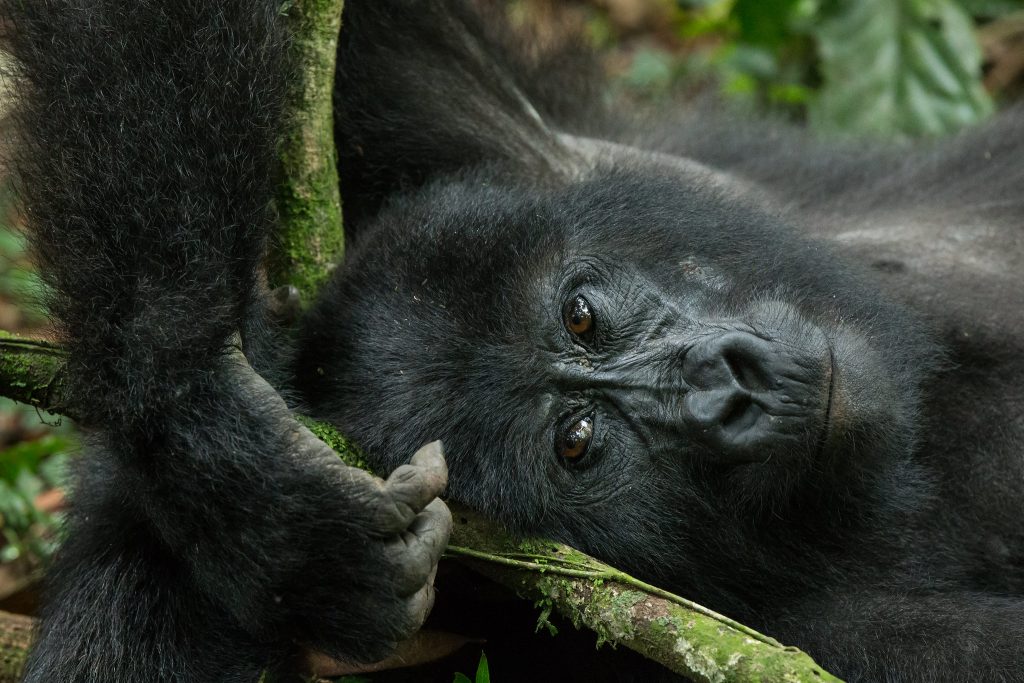
- Habituated Families: Gorillas are accustomed to human presence, making them calm and non-aggressive.
- Strict Protocols: Mandatory briefings, 10-meter distancing, and Tourism Police patrols in Bwindi and Mgahinga.
- Stable Environment: Tourism zones are high-security areas with consistent government monitoring.
4 Reasons Why Uganda Gorilla Safaris Are Secure
1. Professional Armed Ranger Escorts
Every single trekking group is accompanied by at least two armed UWA rangers. One ranger leads the group to clear the path, while another follows at the rear. These rangers are trained in wildlife behavior and first aid, ensuring that you are protected not just from potential security threats, but also from other wild animals like forest elephants or buffaloes.
2. Habituated Gorilla Groups
“Is gorilla trekking safe?” is often a question about the animals themselves. The gorillas you visit have undergone a 2–3 year habituation process. This means they are fully accustomed to seeing humans and do not perceive your presence as a threat. As long as you follow the 10-meter distance rule, the silverbacks and their families remain peaceful and curious.
3. Specialized Tourism Police
Uganda has a dedicated Tourism Police force specifically assigned to protect visitors in national parks and major transit routes. Bwindi Impenetrable National Park and Mgahinga Gorilla National Park are high-priority zones with 24/7 surveillance and visible security presence at lodge areas and park gates.
4. Controlled Group Sizes & Briefings
Safety is maintained through strict management. Only 8 people are allowed per gorilla family per day. Before you step into the forest, you receive a comprehensive safety briefing covering:
- How to react if a gorilla approaches you (stay calm, look down).
- Maintaining a low voice to avoid agitating the wildlife.
- Essential hygiene to protect the 98% DNA link between humans and gorillas.
Physical Safety: Navigating the Terrain
While the gorillas and security are well-managed, the “Impenetrable Forest” poses a physical challenge. To stay safe on the trail:
- Wear Proper Gear: Sturdy, waterproof hiking boots are a must to avoid slips on muddy slopes.
- Hire a Porter: For approximately $20, a local porter can help navigate steep terrain and carry your gear, significantly reducing your risk of falls.
- Stay Hydrated: The equatorial sun and high altitude can lead to fatigue.
Health Safety & Conservation
To keep both you and the gorillas safe, health protocols are strictly enforced. In 2026, visitors with symptoms of infectious diseases (colds, flu, or coughs) are not permitted to trek. This protects the endangered mountain gorillas from human-borne illnesses which can be fatal to them.
The Verdict: Uganda vs. Other Destinations
Compared to the Democratic Republic of Congo (DRC), Uganda offers a much more stable and predictable environment for 2026 travel. While Rwanda is also very safe, Uganda provides a more adventurous terrain with a lower permit cost ($800), making it the top choice for secure, high-value primate safaris.