
What Really Happens Behind Gorilla Trekking in Volcanoes National Park
What Really Happens Behind Gorilla Trekking goes far beyond the magical encounter visitors see. From strict conservation rules to years of habituation and expert tracking, this experience is carefully managed to protect mountain gorillas and their fragile ecosystem.
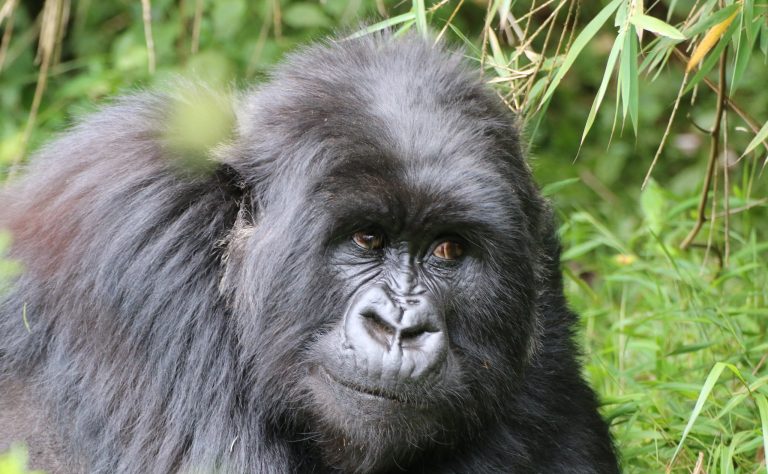
Gorilla trekking in Volcanoes National Park is often portrayed as a once-in-a-lifetime wildlife encounter filled with misty forests and intimate moments with mountain gorillas. While that image is accurate, it only tells part of the story. Behind every trek lies a highly structured system built on conservation science, strict regulations, and years of human effort. What visitors experience in one hour with the gorillas is the result of decades of protection, planning, and collaboration.
Understanding what happens behind the scenes not only deepens appreciation for the experience but also highlights why it remains one of the most exclusive and carefully managed wildlife activities in the world.
A Unique Landscape in the Virunga Region
Volcanoes National Park lies in the Virunga mountain range, a transboundary ecosystem that stretches across Rwanda, Uganda, and the Democratic Republic of Congo. The park is characterized by five ancient volcanoes, dense rainforest, bamboo zones, and high-altitude vegetation that creates the perfect habitat for mountain gorillas.
This region forms part of a larger conservation network that also includes Virunga National Park and Bwindi Impenetrable National Park. Together, these protected areas are home to the entire remaining population of mountain gorillas, which numbers just over 1,000 individuals worldwide.
Because the population is so small, every aspect of tourism in the park is tightly controlled to ensure minimal disturbance to the animals.
What Really Happens Behind Gorilla Trekking : Habituation – Years of Preparation Before Tourism
One of the most important processes behind gorilla trekking is habituation. Not all gorilla families are open to human visits. Only groups that have undergone a gradual conditioning process are considered safe for tourism.
Habituation takes between two and three years. During this time, trained trackers and researchers spend hours each day near a gorilla group, slowly building trust. The gorillas learn to tolerate human presence without feeling threatened. This process requires patience, consistency, and deep understanding of gorilla behavior.
Even after habituation, interaction remains limited. Each group is visited by a maximum of eight people per day. This strict cap helps reduce stress and lowers the risk of transmitting diseases from humans to gorillas.
What Really Happens Behind Gorilla Trekking :The Role of Trackers and Rangers
Long before visitors begin their trek, teams of trackers are already at work. They leave at dawn and head deep into the forest to locate the gorilla families. Using knowledge of movement patterns, feeding areas, and nesting sites, they track the gorillas’ position.
Once located, trackers communicate with guides via radio. This allows trekking groups to head directly toward the gorillas instead of wandering blindly through the forest. Without this system, finding gorillas in such dense terrain would be extremely difficult and time-consuming.
Rangers accompany every trekking group. Their role is to ensure safety, enforce rules, and monitor both visitor behavior and gorilla reactions. They are trained to handle emergencies and to interpret gorilla body language, ensuring that interactions remain calm and respectful.
The Morning Briefing Experience
Every trekking day starts at the park headquarters in Kinigi. Visitors gather early in the morning for a detailed orientation session. During this briefing, park officials explain the rules, assign groups, and match visitors with gorilla families based on fitness levels.
Some gorilla groups live higher up the slopes, requiring more challenging hikes, while others are closer to the park boundary. This allocation helps ensure that all participants have a manageable and enjoyable experience.
Visitors are given clear guidelines:
Maintain a safe distance from the gorillas
Avoid sudden movements or loud noises
Do not trek if feeling unwell
These rules are not optional they are essential for protecting the health and well-being of the gorillas.
What Really Happens Behind Gorilla Trekking :The Trek Through the Forest
The trek itself can vary significantly. Some groups find the gorillas within an hour, while others may hike for several hours through steep, muddy, and densely vegetated terrain. The volcanic landscape adds to the challenge, with uneven ground and thick undergrowth.
Guides often use machetes to clear paths where necessary. Porters, who are available to assist visitors, carry bags and provide support on difficult sections of the trail. Many porters are members of local communities, and their involvement in tourism creates important economic opportunities.
The journey can be physically demanding, but it is also part of what makes the experience so rewarding.
The One-Hour Gorilla Encounter
When the gorillas are finally located, visitors are given time to prepare before approaching. Only cameras and essential items are allowed during the encounter.
The interaction lasts exactly one hour. This time limit is strictly enforced to minimize stress on the animals. During the visit, guests observe natural behaviors such as feeding, grooming, resting, and social interaction.
Young gorillas often provide the most entertainment, playing and exploring with curiosity. Adult females care for their infants, while the dominant silverback keeps a watchful eye on the group.
Despite the close proximity, visitors must remain calm and respectful. The experience is not about interaction, but observation.
The Cost and Its Purpose
A gorilla trekking permit in Volcanoes National Park costs approximately $1,500 per person. While this may seem expensive, the fee plays a crucial role in conservation.
Revenue from permits supports:
Anti-poaching patrols
Veterinary care for gorillas
Park management and infrastructure
Community development programs
A portion of the funds is shared with local communities, helping to build schools, healthcare facilities, and other essential services. This approach ensures that communities benefit directly from conservation, reducing reliance on activities that harm the environment.
Limited Access and Exclusive Experience
Only a small number of visitors are allowed to trek each day. With each habituated group receiving a maximum of eight visitors, daily numbers remain low. This exclusivity is intentional—it protects the environment and enhances the quality of the experience.
Travelers often book permits months in advance, especially during peak seasons. The limited availability adds to the sense of rarity and makes the experience even more special.
Conservation in Action
Behind the scenes, conservation efforts operate continuously. Rangers patrol the park daily to remove traps and prevent illegal activities. Veterinary teams monitor gorilla health and intervene when necessary.
Organizations like Gorilla Doctors play a vital role in treating injured or sick gorillas. Researchers also collect data to better understand gorilla behavior and improve conservation strategies.
Health protocols are strictly enforced. Visitors may be required to wear masks and sanitize their hands before approaching the gorillas. These measures are critical because gorillas are highly susceptible to human diseases.
Why It All Matters
Gorilla trekking is more than just a tourist activity—it is a conservation model that works. Decades ago, mountain gorillas were on the brink of extinction. Today, their numbers are slowly increasing, thanks in large part to tourism revenue and protection efforts.
Every permit purchased contributes directly to the survival of the species. Every trek supports a system that balances human curiosity with environmental responsibility.
Final Perspective
What appears to be a simple wildlife encounter is, in reality, a carefully managed operation involving science, conservation, and community collaboration. From early morning tracking to strict visitor guidelines, every detail is designed to protect the gorillas and their habitat.
Gorilla trekking in Volcanoes National Park offers more than a close-up view of one of the world’s most endangered species. It provides insight into a successful conservation story—one where humans and wildlife coexist through respect, regulation, and shared benefit.
That single hour with the gorillas may feel brief, but its impact lasts far longer—for both the visitor and the future of the species.
Ready to experience gorilla trekking without breaking the bank? Explore affordable options, expert planning, and unforgettable encounters here: Affordable Gorilla Trekking Rwanda Guide — and start planning your adventure today.