
The Primate & Wetland Heritage: Uganda’s Premier Eco Safari(6 Days)
Are you seeking a positive impact on nature and wildlife? Our Primate & Wetland Heritage Safari is a meticulously crafted Uganda eco safari designed to immerse you in the raw beauty of the “Pearl of Africa” while ensuring that your visit directly contributes to the preservation of endangered species and the prosperity of local communities.
Safari Highlights
- Carbon-Neutral Trekking: Offset your travel through community tree-planting initiatives in Bwindi.
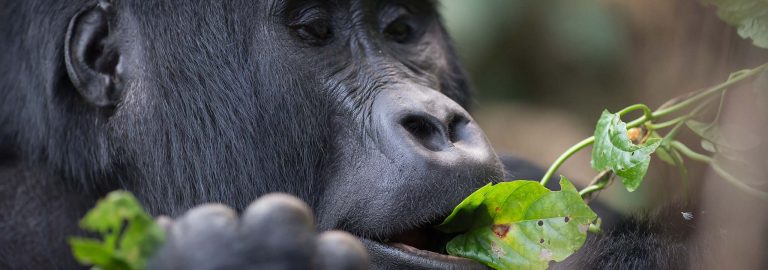
- Mountain Gorilla Encounters: Spend time with the world’s most protected primates in their natural habitat.
- Community-Led Conservation: Explore the Bigodi Wetland Sanctuary, a global model for sustainable tourism.
- Eco-Luxury Stays: Relax in lodges powered entirely by solar energy and sustained by organic, locally sourced cuisine.
| Location | Days | Activity Focus |
| Entebbe/Arrival | 1 Day | Rest & Briefing |
| Kibale Forest | 2 Days | Chimps & Community |
| Bwindi Forest | 2 Days | Gorilla Experience |
| Departure | 1 Day | Return to Entebbe |
| Destination & Duration | Activity Focus |
|---|---|
| Entebbe/Arrival 1 Day |
Rest & Briefing |
| Kibale Forest 2 Days |
Chimps & Community |
| Bwindi Forest 2 Days |
Gorilla Experience |
| Departure 1 Day |
Return to Entebbe |
The Itinerary: A Journey of Impact
The Heart of Primate Conservation: Bwindi Impenetrable Forest
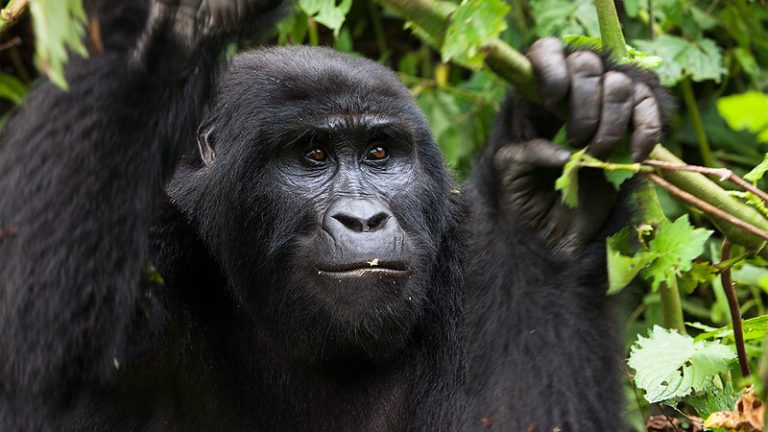
Your journey begins in the ancient, mist-covered hills of Bwindi. As part of this Uganda eco safari, your gorilla trekking permit is more than a ticket—it is a vital contribution to the 2026 Conservation Fund. This fund supports the rangers and veterinarians who have helped the mountain gorilla population reach record highs this decade.
We partner exclusively with lodges that practice Zero-Waste management and provide employment to the local Batwa and Bakiga communities, ensuring that the benefits of your visit stay within the region.
The Bigodi Wetland: A Model for Slow Travel
Next, we transition to the Kibale region to explore the Bigodi Wetland Sanctuary. Unlike traditional vehicle-based safaris, this is a “slow travel” experience.
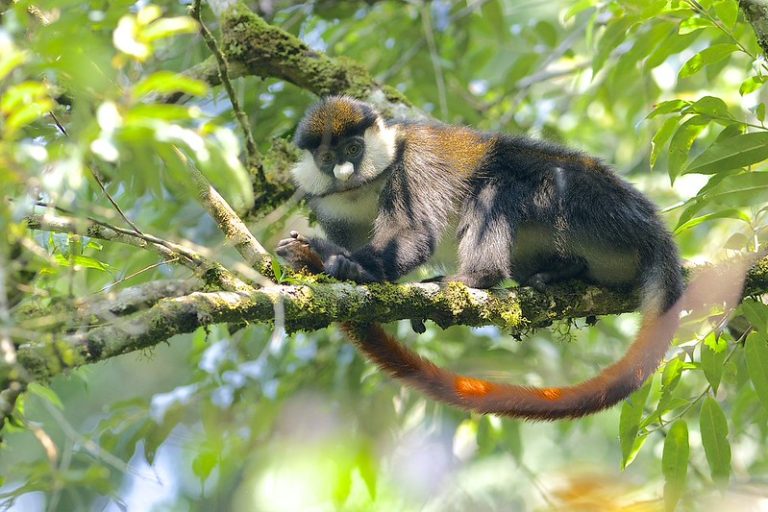
- Biodiversity: Home to 8 species of primates and over 200 bird species, including the Great Blue Turaco.
- Community Impact: Bigodi is 100% community-owned. Your guided walk funds the Bigodi Women’s Group and local health clinics, making your adventure a direct investment in human welfare.
Why Choose an Eco-Friendly Safari in 2026?
With global travel trends shifting toward sustainability, Uganda has emerged as a leader in “Regenerative Tourism.” By choosing a specialized Uganda eco safari, you are participating in a system that:
- Protects Biodiversity: High-season revenues are channeled into anti-poaching patrols.
- Reduces Carbon Footprints: Utilizing localized supply chains and renewable energy in lodges.
- Preserves Culture: Supporting indigenous artisans and heritage sites through fair-trade tourism.
Booking Information
Due to the high demand for primate permits during the 2026 high season, we recommend booking your Uganda eco safari at least six months in advance.
Sustainable Travel Tip: To further reduce your impact, consider traveling with a reusable water bottle and choosing a digital-only itinerary to minimize paper waste.
Pro Tips for Your 2026 Eco Safari
- The “Gardening Glove” Secret: Pack a pair of tough gardening gloves for Bwindi. When trekking through the dense “Impenetrable” forest, you’ll often need to grab onto vines or branches for balance—some of which have sharp thorns or stinging nettles.
- eSim for the Wild: Stay connected without searching for physical SIM cards. In 2026, 5G is available in Entebbe/Kampala, but for the remote hills of Bwindi, an eSim from MTN or Airtel provides the most reliable coverage for uploading those gorilla selfies.
- Avoid the “Plastic Trap”: Uganda has strictly reinforced its ban on single-use plastic bags (kaveera). Use reusable dry bags for your electronics and camera gear; they are better for the environment and much more effective against Bwindi’s unpredictable rain.
- Cash is King for Communities: While lodges accept cards, local craft markets in Bigodi or Batwa villages usually don’t. Carry small denominations of Ugandan Shillings (UGX). It’s the best way to ensure 100% of your tip or purchase goes directly into the hands of the local artisan.
- Break in Your Boots: The terrain in Bwindi is steep and can be slippery. Never wear brand-new hiking boots on trek day. Wear them for at least two weeks prior to your trip to avoid blisters that could ruin your 6-hour hike.
- The “Yellow Card” Reminder: Double-check that your Yellow Fever vaccination certificate is in your carry-on, not your checked luggage. You will be asked for it at the health desk at Entebbe Airport before you even reach immigration.
- Silence is Golden: When near the primates, keep your voice at a whisper. Not only is it respectful to the animals, but in 2026, rangers are increasingly prioritizing “silent trekking” to minimize the stress on gorilla families during the busy high season.
Ready For Your Eco-Safari