
Ruaha National Park Tanzania Safaris: The Ultimate Wild & Uncrowded Wilderness
Looking for a raw, authentic African wilderness untouched by mass tourism herds? Welcome to Ruaha National Park. While northern Tanzania draws massive tourist crowds, Southern Tanzania’s Ruaha stands as a hidden gem of untamed nature. At Active Uganda Safaris, we specialize in cross-border and standalone East African breakthroughs, offering the cheapest Tanzania safaris without sacrificing comfort, safety, or guiding quality.
Whether you are seeking a cheap budget camping safari, a highly balanced mid-range driving tour, or an exclusive luxury fly-in lodge experience, Ruaha delivers deep, uninterrupted wildlife encounters that give you the absolute best value for your hard-earned money.
Book Your Ruaha National Park Safari
Why Ruaha National Park is Perfect for Intentional Tourists
Ruaha is Tanzania’s second-largest national park, yet it receives a fraction of the visitors that flock to other northern parks. For high-intent travelers who want an exclusive connection to Africa’s rawest environments, this means zero vehicle congestion around major predatory sightings.
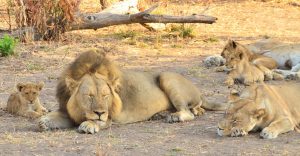
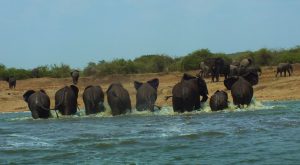
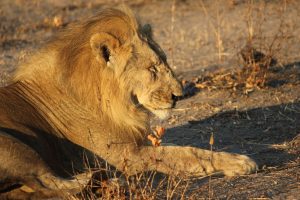
- Unrivaled Predator Dynamics: Ruaha holds one of the largest elephant populations in East Africa and accounts for roughly 10% of Africa’s remaining wild lion population.
- True Value for Money: Because park entry fees and concession costs in the Southern Circuit remain highly competitive, your safari dollars go much further here. You get expansive tracking zones, private vehicle options, and world-class tracking for a lower overall daily operational cost.
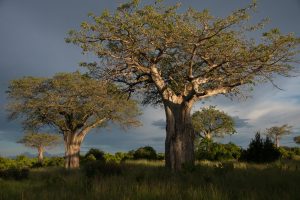
- An Untamed Landscape: Bisected by the Great Ruaha River, the park landscape features ancient baobabs, dramatic rocky escarpments, and golden savannah pools that host dramatic predator-prey standoffs every dry season.
- Expert Recommendation: Our professional safari planners recommend a 4 to 5-day itinerary(or more days) as the absolute sweet spot for Ruaha National Park. This gives you ample time to traverse different ecosystems, track elusive wild dogs, and enjoy deep game drives without feeling rushed.
Ruaha Safari Tour Packages & Cost Breakdowns- Save On Transport By Group Bookings
Compare our clear pricing tiers below. From cheap budget treks to luxury fly-in packages, choose the perfect fit for your timeline and budget:
3-Day Ruaha Fly-In Wildlife Express
5-Day Ruaha Walking Safari
Expert Guide: How to See Lions and Wildlife in Ruaha
To maximize your tracking success in Ruaha, you must align your safari itinerary with the park’s natural hydrological cycles and predator behaviors.
1. Master the Seasons
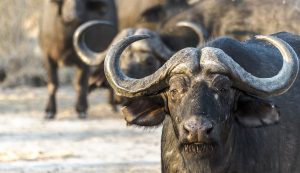
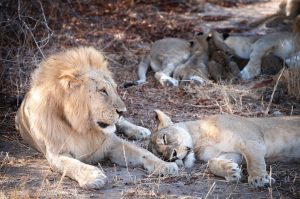
- The Dry Season (June to October): This is prime predatory viewing time. Water becomes scarce, forcing massive herds of buffalo, zebra, and impala to gather along the shrinking pools of the Great Ruaha River. Super-prides of lions—often numbering over 20 individuals—set up permanent ambush territories directly along these banks.
- The Wet Season (November to May): The park turns lush and green. While wildlife disperses into the backcountry, this is a paradise for birdwatchers (over 570 species recorded) and offers stunning landscape photography conditions.
2. Track Along the Core River Circuits
- Instruct your driver-guide to focus morning sweeps along the Mwagusi Riverbed and the Jongomero loops.
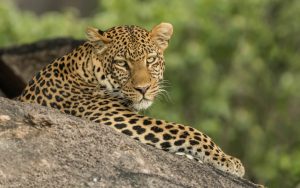
- These seasonal sand rivers feature underground water pockets where elephants dig for hydration, making them high-traffic hunting corridors for lions, leopards, and spotted hyenas.
3. Watch the Skies and Listen to the Bush
- In Ruaha’s deep bush, your guide will constantly listen for alarm calls from baboons, guinea fowls, and kudu.
- Spotting vultures circling above the baobab canopy is a definitive indicator of a recent lion kill site nearby.
Tourist Activities in Ruaha National Park
Ruaha is famous for its rugged, semi-arid landscape and massive predator populations. Typical activities featured on a safari page here include:
- Day Game Drives: Tracking Ruaha’s massive elephant herds, cape buffaloes, and its famous large prides of lions, leopards, and endangered African wild dogs along the Great Ruaha River networks.
- Walking Safaris: Guided bush walks accompanied by an armed park ranger to track wildlife on foot and learn about animal tracks, plants, and smaller ecosystems.
- Night Game Drives: Some specialized lodges inside or just outside the park gates offer night drives to spot nocturnal predators like genets, civets, bushbabies, and hunting lions.
- Bird Watching: Ruaha is a premier birding destination with over 570 species, including the endemic Ruaha red-billed hornbill.
- Cultural Visits: Excursions to neighboring communities or historical/cultural sites around the Iringa region.
General Trip Inclusions
For standard mid-range or budget itineraries traveling to Ruaha, the package price typically covers:
- Transport: Ground transportation in a 4×4 Safari Land Cruiser (or Safari Van if budget-tier) with a pop-up roof for game viewing, including fuel.
- Professional Guide: Services of an experienced, English-speaking local driver-guide.
- Accommodation: Full-board lodging (breakfast, lunch, and dinner) at specified safari lodges, tented camps, or public campsites.
- Park Fees: All national park entrance fees, conservation fees, and vehicle entry fees collected by TANAPA (Tanzania National Parks Authority).
- Bottled Water: Complimentary drinking water provided inside the vehicle throughout the duration of the safari game drives.
- Ferry/Transit (If applicable): If the trip explicitly states a connection from Zanzibar or Dar es Salaam, it sometimes includes the standard fast ferry crossing tickets.
General Trip Exclusions
These are the out-of-pocket costs that are almost always left to the traveler to cover independently:
- International & Domestic Flights: Airfare arriving into Tanzania (or domestic bush flights into the Ruaha/Msembe airstrip unless explicitly booked as a “fly-in safari”).
- Visas & Travel Insurance: Tanzanian tourist entry visas ($50 for most nationalities, $100 for US citizens) and mandatory medical/travel insurance.
- Tips and Gratuities: Tips for your safari driver-guide (generally recommended at $10 to $20 per day per vehicle) and lodge/camp staff.
- Personal Expenditures: Laundry services, telephone calls, souvenirs, and alcoholic beverages or sodas (unless staying at an ultra-luxury all-inclusive camp).
- Optional Activities: Activities not explicitly listed in the main daily timeline, such as night game drives or specialized walking safaris that require separate park ranger booking fees.
Your Ruaha Blog
Frequently Asked Questions About Ruaha Safaris
Is Ruaha better than the Serengeti?
It depends on what you value. The Serengeti is famous for the Great Migration herds but features significant tourist traffic. Ruaha offers a more rugged, wild, and exclusive environment where you can view massive lion prides and vast herds of elephants without sharing the road with dozens of other safari vehicles.
How do I get to Ruaha National Park?
You can take a scheduled safari flight from Dar es Salaam, Arusha, or Zanzibar directly into Msembe or Jongomero airstrips (approx. 1.5 to 2 hours). Alternatively, adventurers can take a scenic, multi-day road safari via Iringa, though fly-in options maximize your actual tracking time in the park.
What should I pack for a Ruaha safari?
Pack lightweight, neutral-colored clothing (khaki, green, or beige). Avoid dark blue and black, as they can attract tsetse flies in dense bush patches. Ensure you have a high-quality pair of binoculars, a telephoto camera lens, sturdy walking shoes for walking safaris, and high-factor sunscreen.