
When to Visit Ruaha: The Ultimate Seasonal Safari Planner
Choosing the right time for your safari is the difference between a good trip and a life-changing experience. In a park as vast and wild as Ruaha National Park, the landscape shifts dramatically with the seasons.
As experts in East African travel, we often get asked: When is the “perfect” time to go? The answer depends on what you want to see. Here is your seasonal planner to help you time your journey for maximum impact.
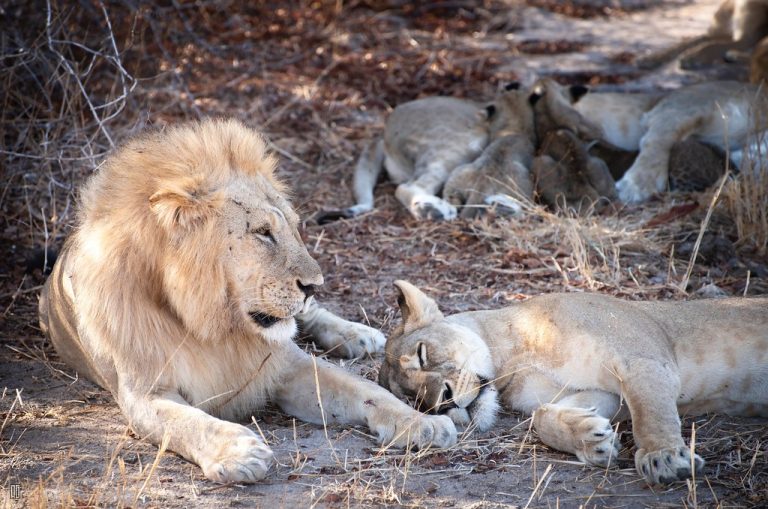
The Dry Season (June to October): Prime Wildlife Viewing
For most travelers, the dry season is the gold standard. As the sun bakes the earth and the interior waterholes evaporate, wildlife is forced to congregate around the dwindling pools of the Great Ruaha River.
- Why choose this time: This is the best time for predator sightings. As prey animals gather at the river, lions, leopards, and wild dogs wait in the wings.
- The Experience: The bush is thin and dry, making it significantly easier to spot animals hidden in the scrub. The weather is cool and pleasant, with clear blue skies and minimal risk of rain.
- Pro Tip: August and September are widely considered the absolute peak. If you plan to visit during these months, we highly recommend booking your accommodation at least 6–9 months in advance.
The Shoulder Season (November & March to May): The Photographer’s Dream
If you are looking to avoid the crowds and prefer a lush, green landscape, the shoulder months offer a unique appeal.
- Why choose this time: The “short rains” in November breathe life back into the park, painting the savannah in vibrant shades of green.
- The Experience: This is a fantastic time for birding. Migratory birds arrive in droves, and the scenery—against the backdrop of dramatic, moody storm clouds—is a landscape photographer’s heaven.
- Pro Tip: While some of the more remote tracks may be challenging to navigate during the long rains (April and May), the park remains open, and you will often have the entire wilderness to yourself.
The Wet Season (January to February): The Hidden Window
Often overlooked, these two months provide a brief respite from the heavy rains and offer a truly intimate look at the cycle of life.
- Why choose this time: This is the season of new life. You will see young impala, zebras, and warthogs roaming the plains.
- The Experience: The park is incredibly lush. Because it is considered the “low season,” you can often secure better rates on luxury lodges and enjoy the rare experience of being the only vehicle at a sighting.
Summary: Which Season Fits Your Travel Style?
| Season | Best For & Wildlife Visibility |
|---|---|
| Dry (Jun–Oct) | Best For: First-time visitors & predator action Visibility: Excellent |
| Shoulder (Nov, Mar–May) | Best For: Photographers & solitude seekers Visibility: Moderate |
| Wet (Jan–Feb) | Best For: Birders & budget-conscious travelers Visibility: Lower |
A Final Word on Logistics
Ruaha’s size means it can be demanding to navigate. Whether you are chasing the peak of the dry season or hoping for the quiet tranquility of the wetter months, the timing of your safari determines your logistical needs—from the type of 4×4 vehicle required to the accessibility of remote bush camps.
At Active Uganda Safaris, we don’t just book tours; we curate experiences based on the seasonal pulse of the wild. We know exactly which river sectors are prime during the dry season and which hidden lodges offer the best views when the rains arrive.
Are you ready to pin down your travel dates?
Contact us today and let our team align your dream safari with the perfect window of time in Tanzania’s greatest wilderness.