
Where Do Hippos Live? The Secrets of Africa's Hippo Habitats
The common hippopotamus (Hippopotamus amphibius) is one of the most fascinating, massive, and formidable mega-herbivores on the planet. Weighing up to 3.5 metric tonnes, these semi-aquatic giants look like relics from a prehistoric era.
If you are a wildlife enthusiast or traveler planning an African safari, a fundamental question likely brought you here: where do hippos live?
Understanding exactly where do hippos live means exploring a highly specific, dual-nature environment. Unlike purely terrestrial animals, a hippo requires a delicate balance of deep water and open land to survive. Let’s dive deep into the precise mechanics of the hippo habitat to understand how these magnificent creatures navigate their daily lives in the wild.
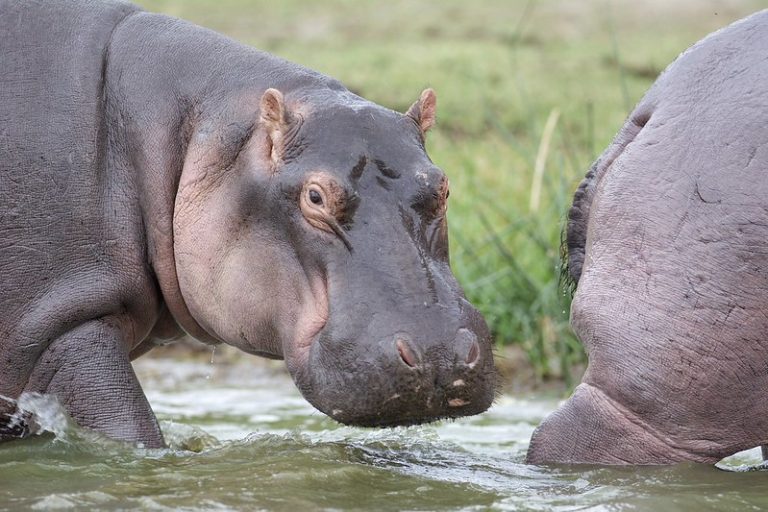
The Essentials of a True Hippo Habitat
To understand the hippo habitat, you must understand the hippo’s physical vulnerabilities. Despite their tough appearance, hippopotamuses have incredibly sensitive, thin skin that easily dries out, cracks, and burns under the intense African sun. They do not possess sweat glands; instead, they secrete a unique reddish fluid nicknamed “blood sweat” that acts as a natural sunscreen and antibiotic.
Because of this unique biology, a viable hippo habitat must fulfill two critical environmental requirements every single day:
1. The Daytime Aquatic Sanctuary
During the scorching heat of the day, hippos must remain submerged in permanent water to keep their bodies cool and hydrated. The ideal aquatic hippo habitat consists of:
- Slow-Moving Rivers and Streams: Fast currents drain their energy, so they prefer calm, predictable water channels.
- Shallow Lakes and Wallows: They prefer waters shallow enough for them to stand or rest on the bottom while keeping their eyes, ears, and nostrils just above the surface.
- Muddy Banks: Soft mud provides a resting ground where whole schools (or pods) can huddle together for safety and social bonding.
2. The Nocturnal Grazing Range
When the sun goes down and the air cools, the second phase of the hippo habitat becomes operational. Hippos emerge from the water and travel inland along well-worn pathways called “hippo paths.” They enter open grasslands, savannas, and short-grass woodlands to graze. A single adult hippo can walk up to 10 kilometers a night, consuming over 35 kilograms (80 pounds) of grass to sustain its massive weight.
Geographic Distribution: Where Do Hippos Live Globally?
If you are looking for them on a map, wild hippos live exclusively within Sub-Saharan Africa. Historically, their territory stretched across the Nile Delta all the way to the southern tip of the continent. Today, due to human encroachment, habitat loss, and illegal hunting, their distribution is largely confined to protected national parks, river basins, and wildlife reserves in East, Central, and Southern Africa.
Among all destinations in East Africa, Uganda stands out as the ultimate stronghold for the species, hosting over 10,000 individuals across its rich network of wetlands.

3-Day Kigali to Queen Elizabeth National Park Hippo Safari
Now that you know exactly where do hippos live, it’s time to see them in the highest density on earth. At Active Uganda Safaris, we have designed a seamless, high-value cross-border expedition that starts in Kigali, Rwanda, and brings you directly into the heart of Uganda’s premier hippo habitat: Queen Elizabeth National Park.
Home to the famous Kazinga Channel, this park boasts an incredible population of over 5,000 hippos. This short, action-packed itinerary is perfect for travelers wanting an effortless, high-yield wildlife experience.
Day 1: Kigali Pickup & Transfer to Queen Elizabeth National Park
Your safari begins with a morning pick-up by your private 4×4 guide in Kigali, Rwanda. Enjoy a smooth drive north through Rwanda’s rolling green hills before crossing into Uganda via the Gatuna or Kagitumba border posts.
- Traverse the stunning Kigezi highlands, descending into the Great Rift Valley ecosystem of Queen Elizabeth National Park. Arrive at your lodge in time for a scenic dinner overlooking the sweeping savannas.
- Overnight: Premium Safari Lodge bordering the park
- Meals: Lunch, Dinner
Day 2: Morning Savannah Patrol & The High-Density Kazinga Channel Cruise
Start your morning with a sunrise game drive across the Kasenyi plains to track elephants, Cape buffalos, and grazing hippos rushing back to their pools. Keep your eyes on the thickets—this area is also home to leopards and lions.
In the afternoon, experience the ultimate validation of where do hippos live: a private boat cruise along the Kazinga Channel. This 32-kilometer natural waterway connects Lake Edward and Lake George, creating an ultra-dense aquatic highway. You will cruise safely within meters of hundreds of hippos blowing bubbles, grunting, and territorial yawning. Alongside the massive hippo pods, you will see enormous Nile crocodiles sunning on the banks, herds of elephants bathing, and thousands of vibrant waterbirds.
- Overnight: Premium Safari Lodge
- Meals: Breakfast, Lunch, Dinner
Day 3: Ishasha Tree-Climbing Lions & Return to Kigali
After breakfast, drive south through the park’s remote Ishasha Sector, a wild landscape famous for its rare tree-climbing lions. Scan the low-hanging branches of giant fig trees to see these predators draped lazily over the limbs to escape the ground heat. After this final safari highlight, enjoy a local lunch before embarking on your return transit across the border, arriving back in Kigali by late evening for your departure connections.
- Meals: Breakfast, Lunch
Frequently Asked Questions About Hippo Habitats
Can hippos swim or float?
Surprisingly, no. Hippos are too dense to float or swim properly. When you see them moving smoothly through a hippo habitat, they are actually walking, running, or bouncing gracefully along the bottom of the river or lakebed using the buoyancy of the water to propel themselves.
Why are hippos considered dangerous?
Hippos are intensely territorial within their aquatic territories. If a boat or human accidentally gets between a hippo pod and deep water, or intercepts a hippo on land trying to return to its water safety zone, they will charge defensively. Our professional guides use custom boats and 4x4s, maintaining safe, respectful distances so you can enjoy their social behaviors completely risk-free.