
Best Birding Safaris In Africa: 10 Masterpiece Itinerary Ideas for Avian Enthusiasts & World Twitchers
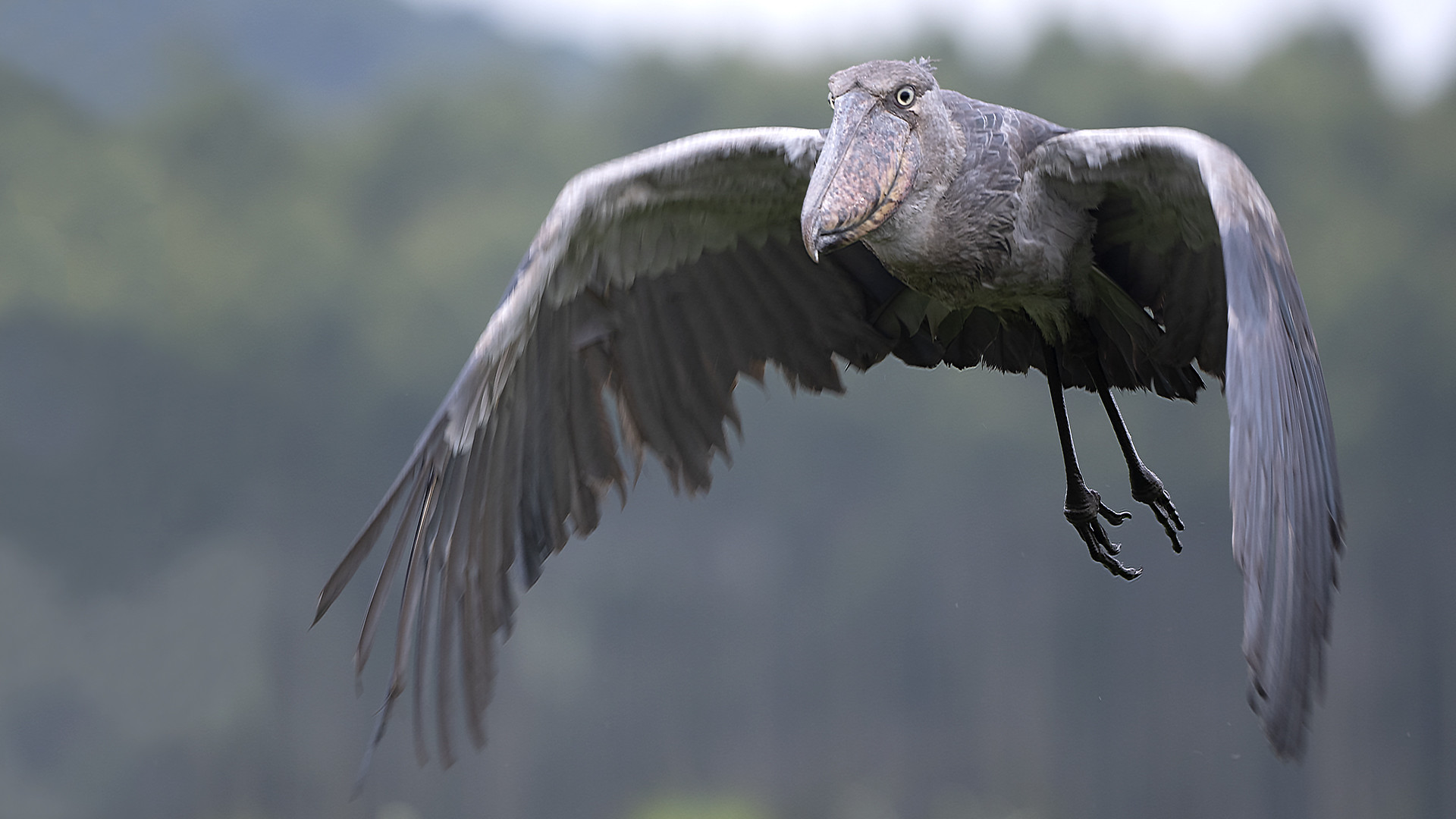
Best birding safaris in africa: Africa represents the ultimate frontier for ornithological exploration. Covering over 30 million square kilometers, the continent encompasses an extraordinary mosaic of biomes—from the dense, ancient rainforests of the Congo Basin and the Albertine Rift to the vast, undulating acacia savannahs of the Serengeti, the hyper-endemic Fynbos floral kingdom of the Cape Peninsula, and the isolated evolutionary miracle of Madagascar. Home to over 2,300 bird species, Africa hosts some of the most sought-after avian families on Earth, including turacos, mousebirds, broadbills, rockjumpers, vangas, ground-rollers, and the enigmatic Shoebill.
Designing an exceptional birding safari requires a precise understanding of zoogeography, micro-habitats, seasonal movements, and local acoustic ecology. Unlike general wildlife safaris that focus primarily on large mammals, a dedicated birding itinerary prioritizes specialized micro-habitats: papyrus swamps, montane moss forests, riverine thickets, inselbergs, and alkaline Rift Valley lakes. Furthermore, timing is critical. The arrival of Palearctic migrants from Europe and Asia between October and April dramatically swells local bird counts, while intra-African migrants move in synchrony with seasonal rains to exploit breeding blooms.

This master guide presents 10 meticulously curated birding safari itineraries engineered to maximize species totals, target rare endemics, and deliver unforgettable encounters with Africa's most iconic birds. Reflecting East Africa's undisputed reign as the continent's top avian hub, the top 5 itineraries showcase Uganda—the 'Pearl of Africa'—which concentrates over 1,090 species in a territory the size of Oregon. These are followed by 2 specialized circuits in Tanzania, 1 grand itinerary in Kenya, and 2 highly strategic expeditions in Southern Africa (South Africa) and the Malagasy Evolutionary Biome (Madagascar).
★ STRATEGIC BIRDING ADVICE
For serious birders, balance is key. High daily species counts in savannahs must be paired with patient, methodical forest birding where target species often move in mixed-species feeding flocks ('bird waves'). High-quality optics (8x42 or 10x42 binoculars) and thermal/high-gain audio recording equipment significantly elevate field success.
2. UGANDA: THE PEARL OF AFRICAN AVIAN BIODIVERSITY (ITINERARIES 1–5)
Uganda is arguably the world's most compressed avian hotspot. With 1,090+ confirmed species packed into 241,550 square kilometers, Uganda contains over 50% of Africa's total bird species and 11% of the global total. This extraordinary richness is driven by the overlap of East African savannahs, West African Guineo-Congolian lowland rainforests, and the high-elevation montane forests of the Albertine Rift. Here are 5 distinct, highly specialized itineraries tailored to different birding objectives.
Itinerary 1: The 14-Day Ultimate Uganda Avian Odyssey (The Complete Circuit)
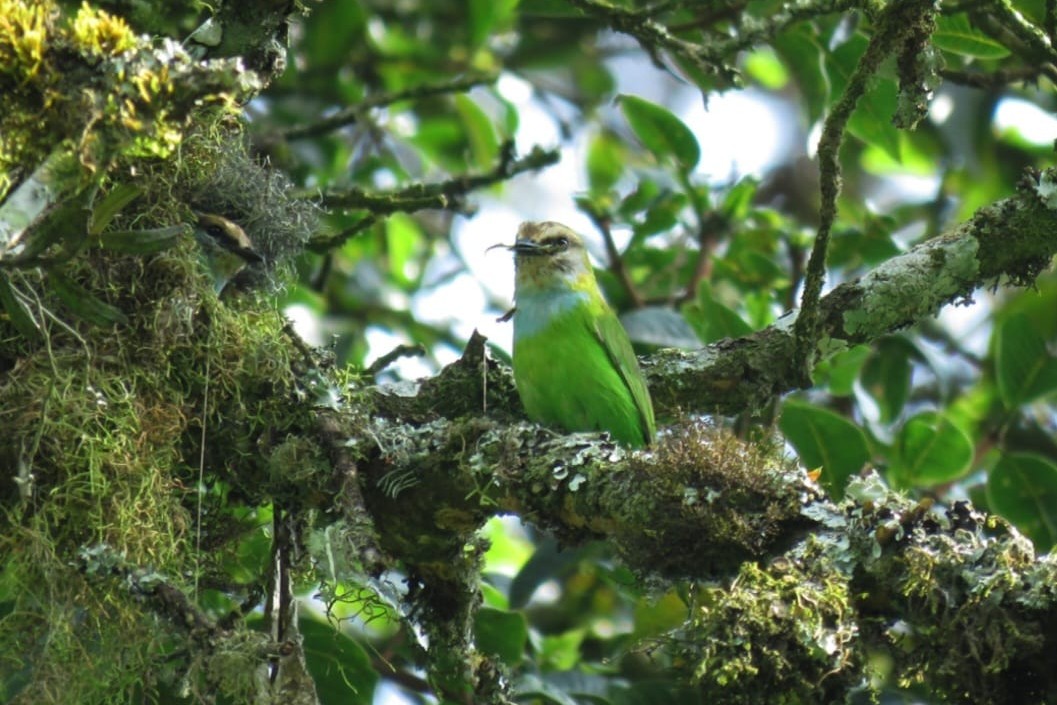
This is Uganda's flagship comprehensive birding route. Traversing the primary ecological zones of the country, this 14-day expedition delivers an extraordinary species tally (typically 450–550 species) and targets the iconic 'Big Five' of African birding: Shoebill, African Green Broadbill, Green Breastet Pitta, Great Blue Turaco, and Nkulengu Rail.
| Safari Parameter | Itinerary Details |
|---|---|
| Duration & Routing | 14 Days / 13 Nights: Entebbe – Mabamba – Budongo – Murchison Falls – Kibale – Semuliki – Queen Elizabeth – Bwindi – Lake Mburo – Entebbe |
| Primary Targets | Shoebill, African Green Broadbill, Green-breasted Pitta, Nkulengu Rail, Chocolate-backed Kingfisher, Red-throated Bee-eater, Papyrus Gonolek, African Finfoot |
| Key Habitats | Papyrus Swamps, Lowland Tropical Rainforest, Riverine Forest, Open Savannah, Montane Forest, Crater Lakes |
| Best Season | June to September & December to February (Optimal trail conditions & breeding plumages) |
| Expected Species Count | 480 – 560 species |
Detailed Day-by-Day Routing:
- Day 1: Entebbe Botanical Gardens & Lake Victoria Shoreline — Arrival at Entebbe International Airport. Afternoon birding at the historic Entebbe Botanical Gardens on the shores of Lake Victoria. Primary targets: Great Blue Turaco, Ross's Turaco, African Grey Parrot, Black-and-white-casqued Hornbill, Double-toothed Barbet, Crowned Hornbill, Orange Weaver, Slender-billed Weaver, and Bat Hawk at dusk.
- Day 2: Mabamba Swamp Shoebill Quest & Transit to Masindi — Early morning boat excursion by wooden canoe into Mabamba Bay Wetland System (Ramsar Site). Search for the prehistoric Shoebill stalked among papyrus and miscanthus beds. Associated species include Papyrus Gonolek, Blue-headed Coucal, Lesser Jacana, White-backed Duck, African Pygmy Goose, Long-toed Lapwing, and Malachite Kingfisher. In the afternoon, transit north to Masindi via the Luwero Triangle.
- Day 3: The Legendary Royal Mile (Budongo Forest) & Ziwa — Full day birding in the legendary 'Royal Mile' within Budongo Central Forest Reserve—one of Africa's top forest birding tracks. Key targets: Chocolate-backed Kingfisher, Blue-breasted Kingfisher, Dwarf Kingfisher, African Dwarf Kingfisher, Ituri Batis, Lemon-bellied Crombec, Chestnut-capped Flycatcher, Rufous-crowned Eremomela, Yellow-browed Camaroptera, Forest Robin, and Nkulengu Rail (vocal at dawn/dusk). Transit to Ziwa Rhino Sanctuary in late afternoon.
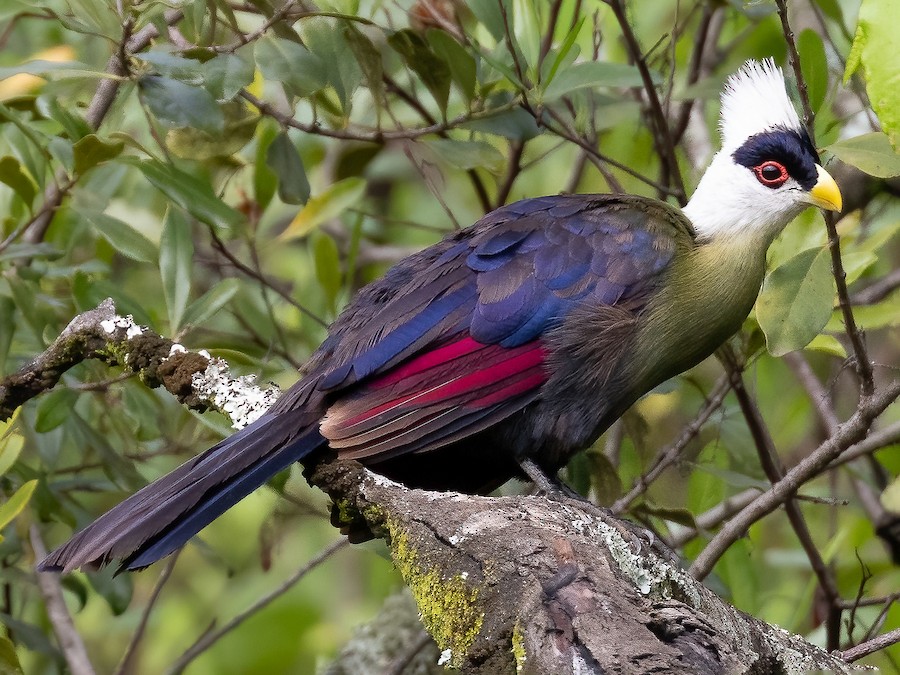
- Day 4: Ziwa Rhino Sanctuary to Murchison Falls National Park — Morning birding walk at Ziwa aiming for White-crested Turaco, Bruce's Green Pigeon, and Heuglin's Francolin. Drive to Murchison Falls National Park. Stop at the Top of Murchison Falls to view the Nile forcing through a 7-meter gap. Evening savannah birding along the Buligi circuit.
- Day 5: Murchison Falls Savannah & Nile River Boat Safari — Morning game drive on the northern bank of the Nile. Key species: Abyssinian Ground Hornbill, Red-throated Bee-eater, Northern Carmine Bee-eater, Denham's Bustard, Senegal Thick-knee, Black-bellied Bustard, Swallow-tailed Bee-eater, and Chestnut-crowned Sparrow-Weaver. Afternoon boat safari to the base of Murchison Falls, searching for Rock Pratincole, Goliath Heron, African Fish Eagle, Pied Kingfisher, and Saddle-billed Stork.
- Day 6: Nile Delta Boat Cruise & Transit to Kibale Forest — Early morning boat trip to the Nile Delta on Lake Albert, a key site for Shoebill, African Skimmer, Great White Pelican, and Saddle-billed Stork. Afternoon long transit south through Hoima and Fort Portal, driving through lush tea estates underneath the Rwenzori Mountains to Kibale National Park.
- Day 7: Kibale Forest Green-breasted Pitta Quest & Bigodi Wetland — Pre-dawn entry into Kibale Forest to search for the elusive Green-breasted Pitta on display grounds. Morning birding along the forest trail network for Red-chested Owlet, Yellow-spotted Nicator, African Emerald Cuckoo, Black-bee-eater, and Western Nicator. Afternoon birding walk in Bigodi Wetland Sanctuary for Papyrus Canary, White-spotted Flufftail, Great Blue Turaco, and Speke's Weaver.
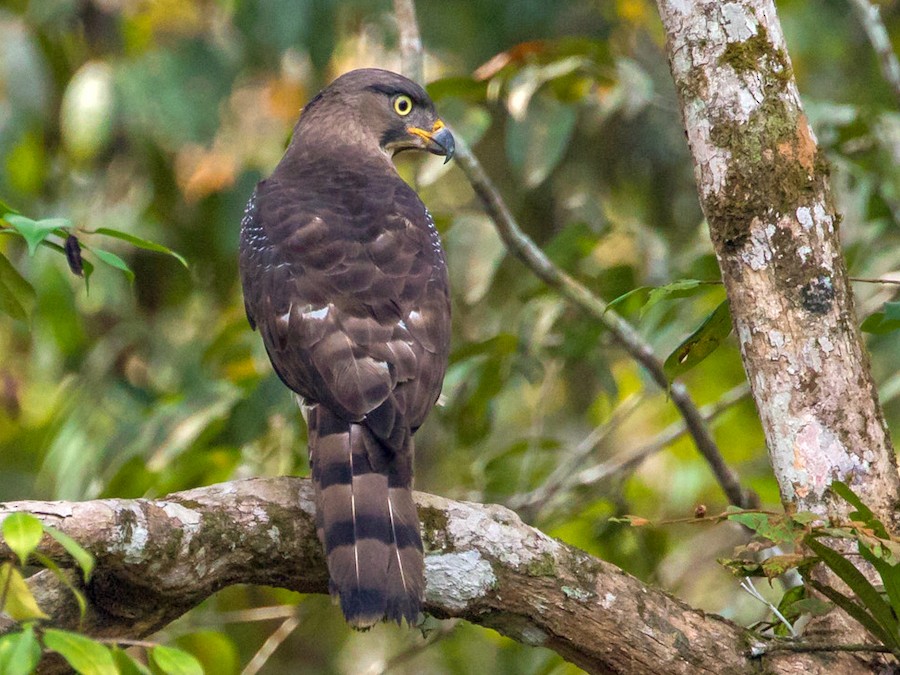
- Day 8: Semuliki National Park (West African Lowland Forest Specialists) — Day trip to Semuliki National Park (Bwamba Lowlands), an eastern extension of the Congo Basin rainforest. This site holds over 35 West African species found nowhere else in East Africa. Targets: Congo Serpent Eagle, Long-tailed Hawk, Black-wattled Hornbill, Piping Hornbill, Red-billed Dwarf Hornbill, African Piculet, Grant's Bluebill, and Yellow-throated Nicator. Return to Fort Portal.
- Day 9: Transit to Queen Elizabeth NP & Kasenyi Plains — Transit to Queen Elizabeth National Park, crossing the Equator. Afternoon birding in the Kasenyi Plains for Rufous-naped Lark, Flappet Lark, Black-headed Gonolek, White-tailed Lark, and Red-necked Spurfowl. Night drive for African Wood Owl, Swamp Nightjar, and Square-tailed Nightjar.
- Day 10: Kazinga Channel Boat Safari & Lake George Wetlands — Morning birding game drive in Kasenyi. Afternoon boat safari along the famous Kazinga Channel connecting Lake George and Lake Edward. Spectacular concentrations of waterbirds: African Skimmer, Pink-backed Pelican, Gull-billed Tern, White-winged Tern, African Spoonbill, Water Thick-knee, and Three-banded Plover.
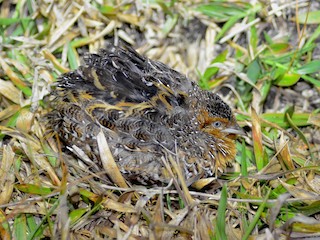
- Day 11: Ishasha Sector to Bwindi Impenetrable National Park (Buhoma) — Transit through the Ishasha Sector (famous for tree-climbing lions) toward Bwindi Impenetrable National Park. En-route birding for Black-rumped Buttonquail, Sooty Chat, and Broad-tailed Warbler. Arrive at Buhoma (lower elevation Bwindi) in the late afternoon.
- Day 12: Buhoma Lowland Forest Birding (Bwindi Impenetrable) — Full day birding the Ivy River and Waterfall Trails in Buhoma. Species focus: Black-billed Turaco, African Broadbill, Black-faced Rufous Warbler, Short-tailed Warbler, Pink-footed Puffback, Bar-tailed Trogon, Equatorial Akalat, Blue-headed Sunbird, and Red-throated Alethe.
- Day 13: The Neck Corridor to Ruhija Higher Elevation Forest — Transit from Buhoma to Ruhija (higher elevation Bwindi) with extensive birding at 'The Neck' (a narrow forest corridor). Targets: Black Bee-eater, Cassin's Grey Flycatcher, Mountain Wagtail, White-chinned Prinia, and Chapin's Flycatcher. Arrive at Ruhija (2,300m altitude).
- Day 14: Mubwindi Swamp Trek, Lake Mburo & Return to Entebbe — Trek down into Mubwindi Swamp inside Ruhija. This is the ultimate world stronghold for the endangered African Green Broadbill and Grauer's Rush Warbler. Other high-altitude endemics: Archer's Robin-Chat, Stripe-breasted Tit, Rwenzori Batis, Handsome Francolin, Regal Sunbird, Purple-breasted Sunbird, and Strange Weaver. Transit to Lake Mburo in afternoon.
★ TRAIL HARDINESS NOTE
Mubwindi Swamp in Ruhija is a steep descent and ascent (approx. 4-5 hours total walking). Wear sturdy boots with deep tread, as clay paths become slick during rain. Local porters are invaluable for gear transport.
Accommodation Options per Destination:
- Entebbe: Hotel No.5 / Karibu Guest House / Entebbe Traveller's Inn
- Masindi / Budongo: Masindi Hotel / Budongo Eco Lodge
- Murchison Falls: Paraa Safari Lodge / Pakuba Safari Lodge / Red Chilli Rest Camp
- Kibale Forest: Primate Lodge / Turaco Treetops / Chimpanzee Forest Guest House
- Semuliki: Semliki Safari Lodge / Ntoroko Game Lodge
- Queen Elizabeth NP: Mweya Safari Lodge / Bush Lodge / Enganzi Game Lodge
- Bwindi (Buhoma): Mahogany Springs / Buhoma Lodge / Ride 4 a Woman
- Bwindi (Ruhija): Bakiga Lodge / Broadbill Forest Camp
- Lake Mburo: Mihingo Lodge / Rwakobo Rock / Eagle's Nest
Itinerary 2: The 10-Day Albertine Rift Endemic Special
The Albertine Rift (the western arm of the East African Rift System) is one of Africa's most critical endemic bird areas. This 10-day itinerary is laser-focused on bagging all 24+ accessible Albertine Rift endemic species found in southwestern Uganda. It minimizes long savannah drives in favor of deep montane forest immersion across Bwindi, Mgahinga, and the Rwenzori foothills.
| Safari Parameter | Itinerary Details |
|---|---|
| Duration & Routing | 10 Days / 9 Nights: Entebbe – Kibale – Rwenzori Foothills – Bwindi (Buhoma) – Bwindi (Ruhija) – Mgahinga – Entebbe |
| Primary Targets | African Green Broadbill, Rwenzori Turaco, Handsome Francolin, Shelley's Crimsonwing, Archer's Robin-Chat, Regal Sunbird, Dwarf Honeyguide, Red-faced Woodland Warbler |
| Key Habitats | Montane Cloud Forest, Bamboo Zones, Afro-Alpine Moorland, Forest Streams |
| Best Season | June to September & December to February |
| Expected Species Count | 280 – 340 species (High endemic density) |
Detailed Day-by-Day Routing:
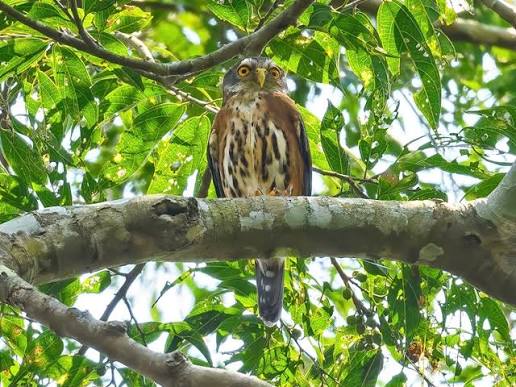
- Day 1: Entebbe to Kibale Forest (Sebitoli Sector) — Transit from Entebbe to Kibale National Park. Evening birding along the Sebitoli Forest trail for Red-chested Owlet and Joyful Greenbul.
- Day 2: Kibale Forest Transition Zone — Explore Kanyanchu stream trail focusing on lowland-montane transitional species: Masked Apalis, Red-headed Bluebill, White-naped Pigeon, and Purple-headed Starling.
- Day 3: Rwenzori Mountains National Park (Kilembe Trailhead) — Drive to Kilembe in the Rwenzori Mountain foothills. Hike the lower montane forest trail for Rwenzori Turaco, Stripe-breasted Tit, Rwenzori Hill Babbler, Abyssinian Ground Thrush, and Strange Weaver.
- Day 4: Rwenzori to Bwindi Impenetrable (Buhoma Sector) — Transit south past Lake George to Bwindi Impenetrable National Park (Buhoma). Birding along the forest boundary for Black-throated Apalis and Olive Long-tailed Cuckoo.
- Day 5: Buhoma Waterfall Trail Endemic Quest — Full day on the Waterfall Trail in Buhoma. Targeting Albertine Rift endemics: Neumann's Warbler, Red-faced Woodland Warbler, Black-faced Rufous Warbler, and Yellow-eyed Black Flycatcher.
- Day 6: Buhoma to Ruhija via The Neck Forest Corridor — Slow birding transit from Buhoma to Ruhija via The Neck. Key targets: Chapin's Flycatcher, Mountain Masked Apalis, and Dusky Crimsonwing.
- Day 7: Mubwindi Swamp Endemic Sanctuary — Descend to Mubwindi Swamp. Target the iconic African Green Broadbill, Grauer's Rush Warbler, Grauer's Warbler, Archer's Robin-Chat, and Handsome Francolin.
- Day 8: Ruhija to Mgahinga Gorilla National Park — Transit from Ruhija to Mgahinga Gorilla National Park in the Virunga Mountains. Evening birding around Ntebeko Camp for Lagden's Bush-shrike and Kivu Ground Thrush.
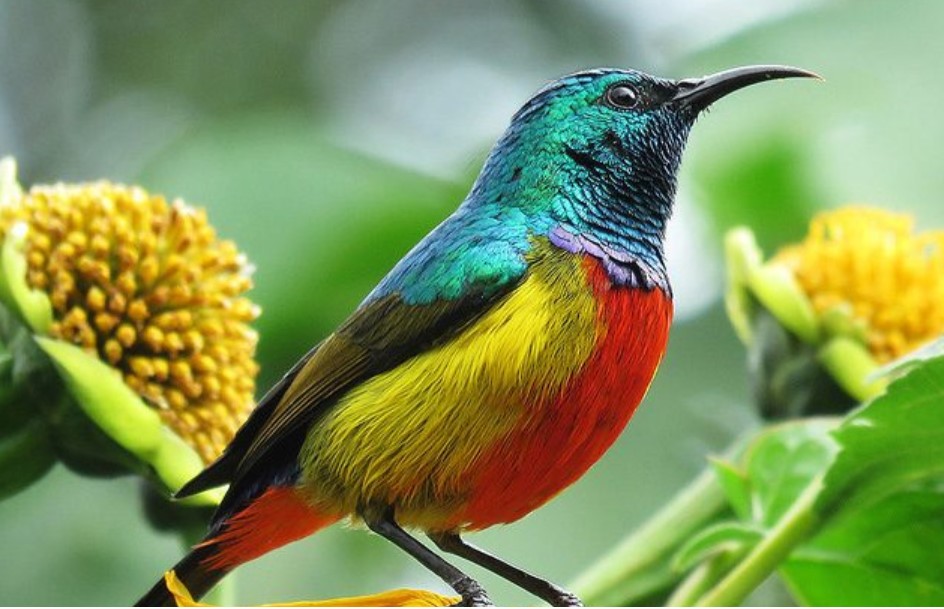
- Day 9: Mgahinga Gorge Trail (Virunga Montane & Bamboo Endemics) — Hike the Gorge Trail on Mount Sabinyo through bamboo and hyper-montane zones. Critical targets: Rwenzori Turaco, Shelley's Crimsonwing, Archer's Robin-Chat, Rwenzori Double-collared Sunbird, Regal Sunbird, and Bronze Sunbird.
- Day 10: Mgahinga to Entebbe via Mpanga Forest — Early morning drive back to Entebbe via the Equator line, stopping at Mpanga Forest Reserve for Fiery-breasted Bush-shrike before evening departure.
Accommodation Options per Destination:
- Kibale Forest: Turaco Treetops / Isunga Lodge
- Rwenzori Foothills: Equator Snow Lodge / Ruboni Community Camp
- Bwindi (Buhoma): Buhoma Community Haven Lodge / Haven Lodge
- Bwindi (Ruhija): Broadbill Forest Camp / Agandi Lodge
- Mgahinga: Mount Gahinga Lodge / Amajambere iwacu Community Camp
Itinerary 3: The 8-Day Shoebill & Key Wetlands Explorer
Uganda's extensive network of lakes, rivers, and papyrus swamps creates an unrivaled haven for waterbirds and papyrus specialists. This concentrated 8-day itinerary focuses entirely on Uganda's Ramsar-listed wetland ecosystems, targeting the legendary Shoebill alongside rare papyrus endemics and riverine species.
| Safari Parameter | Itinerary Details |
|---|---|
| Duration & Routing | 8 Days / 7 Nights: Entebbe – Mabamba – Lake Bisina – Mabira – Kazinga Channel – Lake Mburo – Entebbe |
| Primary Targets | Shoebill, Fox's Weaver (Uganda's only true endemic), Papyrus Gonolek, Papyrus Yellow Warbler, White-winged Warbler, African Finfoot, Lesser Jacana, Blue-headed Coucal |
| Key Habitats | Papyrus Swamps, Freshwater Lakes, Riverine Thickets, Flooded Grasslands |
| Best Season | January to March & July to September (Lowest water levels force birds into open channels) |
| Expected Species Count | 300 – 380 species |
Detailed Day-by-Day Routing:
- Day 1: Mabamba Bay Swamp & Entebbe Peninsulas — Morning canoe excursion in Mabamba Bay Swamp for Shoebill, White-backed Duck, African Pygmy Goose, and Papyrus Gonolek. Afternoon birding at Entebbe Botanical Gardens.
- Day 2: Makanaga Swamp & Lake Victoria Waterbird Survey — Boat trip along Makanaga Bay on Lake Victoria shore. High numbers of Shoebill, Gull-billed Tern, Whiskered Tern, Long-toed Lapwing, and Rufous-bellied Heron.
- Day 3: Transit to Eastern Uganda (Lake Bisina Basin) — Transit east to Kumi near Lake Bisina. Search roadside swamps for Northern Brown-throated Weaver and Black-headed Heron colonies.
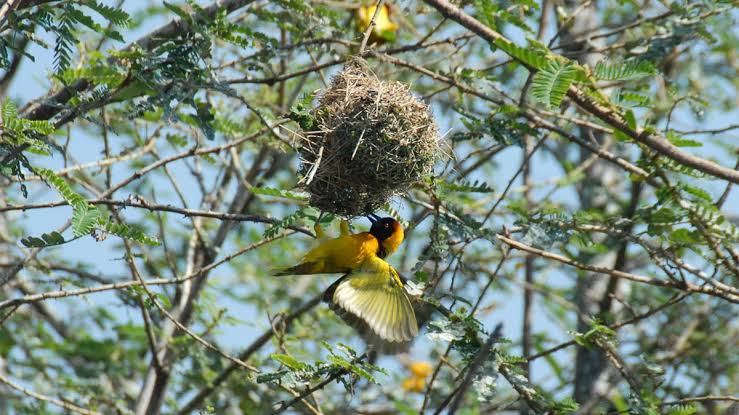
- Day 4: Lake Bisina (Fox's Weaver & Eastern Wetlands) — Boat safari on Lake Bisina specifically targeting Fox's Weaver (Uganda's only endemic bird species, nesting in swampy acacia-papyrus margins). Also look for Lesser Jacana, African Pygmy Goose, and Carmelite Sunbird.
- Day 5: Lake Bisina to Mabira Forest Reserve — Transit west to Mabira Central Forest Reserve. Rainforest birding for Nkulengu Rail, Shining-blue Kingfisher, Superb Sunbird, and Jameson's Wattle-eye.
- Day 6: Mabira to Kazinga Channel (Queen Elizabeth NP) — Transit southwest to Queen Elizabeth National Park. Afternoon boat safari on the Kazinga Channel for African Skimmer, Pink-backed Pelican, Water Thick-knee, and Malachite Kingfisher.
- Day 7: Kazinga Channel to Lake Mburo National Park — Transit to Lake Mburo National Park. Boat trip on Lake Mburo targeting African Finfoot, White-backed Night Heron, Papyrus Yellow Warbler, and Shining-blue Kingfisher.
- Day 8: Lake Mburo Wetlands to Entebbe — Morning walk along the Lake Mburo papyrus margins for Red-faced Barbet, Tabora Cisticola, and White-winged Warbler. Drive back to Entebbe.
Accommodation Options per Destination:
- Entebbe: Protea Hotel Entebbe / Lake Victoria Serena Golf Resort
- Lake Bisina (Kumi): Kumi Hotel / Landmark Hotel Soroti
- Mabira Forest: The RainForest Lodge Mabira
- Queen Elizabeth NP: Kasenyi Safari Camp / Mweya Safari Lodge
- Lake Mburo: Rwakobo Rock / Rwonyo Rest Camp
Itinerary 4: The 12-Day Northern Savannah & Arid Karamoja Expedition
For birders seeking semi-arid specialists, raptors, and northern hornbills, Uganda's dry northeast (Karamoja region) and the northern banks of Murchison Falls offer a totally distinct avifauna unavailable in the humid south. This 12-day route explores remote wildernesses like Kidepo Valley and Pian Upe.
| Safari Parameter | Itinerary Details |
|---|---|
| Duration & Routing | 12 Days / 11 Nights: Entebbe – Ziwa – Murchison Falls – Kitgum – Kidepo Valley – Pian Upe – Mount Elgon – Entebbe |
| Primary Targets | Karamoja Apalis, Clapperton's Francolin, Black-breasted Barbet, Abyssinian Roller, Abyssinian Ground Hornbill, Fox's Weaver, Steel-blue Whydah, Ostriches |
| Key Habitats | Semi-arid Acacia Scrub, Borassus Palm Savannah, Dry Inselbergs, Montane Foothills |
| Best Season | November to March (Dry season when birds concentrate around river beds) |
| Expected Species Count | 380 – 450 species |
Detailed Day-by-Day Routing:
- Day 1: Entebbe to Ziwa Rhino Sanctuary — Drive north from Entebbe to Ziwa Rhino Sanctuary. Birding for White-crested Turaco, Bruce's Green Pigeon, and Heuglin's Francolin.
- Day 2: Ziwa to Murchison Falls Northern Sector — Transit to Murchison Falls National Park. Afternoon savannah birding along the northern bank for Abyssinian Roller, Northern Carmine Bee-eater, and Chestnut-crowned Sparrow-Weaver.
- Day 3: Murchison Falls Savannah & Nile Delta Safari — Full day birding Buligi savannah trails and Nile Delta boat cruise. Targets: Abyssinian Ground Hornbill, Denham's Bustard, Swallow-tailed Bee-eater, and Senegal Thick-knee.
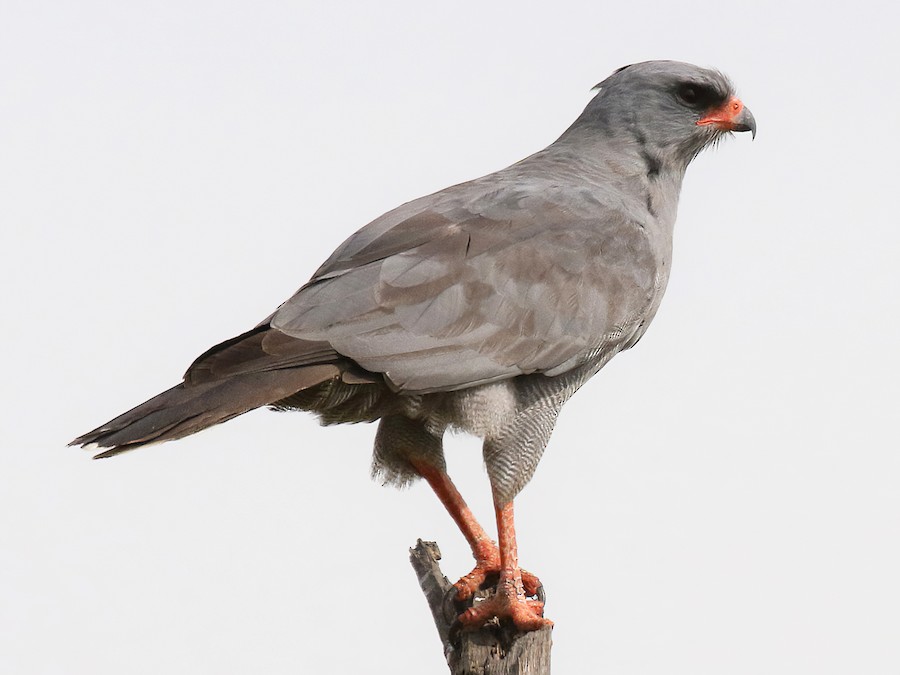
- Day 4: Murchison Falls to Kitgum (Acholi Plains) — Transit north through Gulu to Kitgum. Roadside birding for Dark Chanting Goshawk, Fox Kestrel, and White-billed Buffalo-Weaver.
- Day 5: Kitgum to Kidepo Valley National Park — Drive from Kitgum into remote Kidepo Valley National Park near the South Sudan border. Spectacular savannah landscape backdrop.
- Day 6: Narus Valley Birding (Kidepo National Park) — Explore Narus Valley in Kidepo. Key targets: Karamoja Apalis, Clapperton's Francolin, Rose-ringed Parakeet, Yellow-billed Shrike, and Crimson-rumped Waxbill.
- Day 7: Kidepo River Bed & Kanangorok Hot Springs — Birding in Kidepo Valley bed and Kanangorok Hot Springs. Targets: Common Ostrich, Abyssinian Scimitarbill, Jackson's Hornbill, Yellow-necked Spurfowl, and Pygmy Falcon.
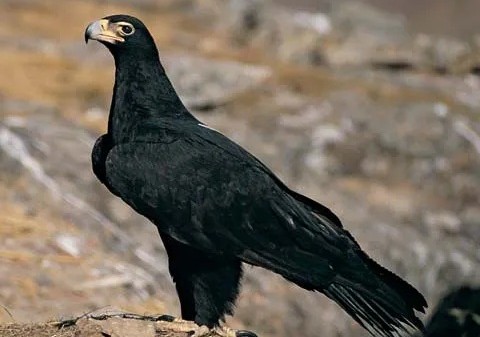
- Day 8: Kidepo Valley to Pian Upe Game Reserve via Moroto — Transit south through Kotido and Moroto to Pian Upe Game Reserve. Search inselbergs for Verreaux's Eagle and Freckled Nightjar.
- Day 9: Pian Upe Plains & Karamoja Scrub Specialists — Explore the vast acacia plains of Pian Upe. Targets: Fox's Weaver, Jackson's Hornbill, Hartlaub's Bustard, Eastern Yellow-billed Hornbill, and White-headed Mousebird.
- Day 10: Pian Upe to Mount Elgon National Park (Kapkwai) — Transit to Mount Elgon foothills (Kapkwai Exploration Centre). Forest birding for Jackson's Francolin, Tacazze Sunbird, and Bronze-naped Pigeon.
- Day 11: Mount Elgon to Mabira Forest Reserve — Transit back toward Kampala, stopping at Mabira Central Forest Reserve for forest species like Nkulengu Rail and Yellow-crested Woodpecker.
- Day 12: Mabira Forest to Entebbe — Morning birding in Mabira Forest before driving to Entebbe International Airport for departure.
Accommodation Options per Destination:
- Ziwa Rhino Sanctuary: Ziwa Rhino Lodge / Amuka Safari Lodge
- Murchison Falls: Pakuba Safari Lodge / Fort Murchison
- Kitgum: Fugly's Hotel / Janani Hotel
- Kidepo Valley: Apoka Safari Lodge / Nga'Moru Wilderness Camp / Apoka UWA Bandas
- Pian Upe: Karamoja Overland Camp / UWA Bandas
- Mount Elgon: Sipi River Lodge / Lacam Lodge
Itinerary 5: The 7-Day Primate & Gorilla Birding Express
Designed for travelers who want to combine world-class mountain gorilla trekking in Bwindi Impenetrable Forest with intensive Albertine Rift endemic birding in a tight 7-day window.
| Safari Parameter | Itinerary Details |
|---|---|
| Duration & Routing | 7 Days / 6 Nights: Entebbe – Lake Mburo – Bwindi (Ruhija) – Bwindi (Buhoma) – Entebbe |
| Primary Targets | Mountain Gorilla, African Green Broadbill, Great Blue Turaco, Black Bee-eater, Red-throated Alethe, Regal Sunbird, Handsome Francolin |
| Key Habitats | Montane Rainforest, Acacia Woodlands, Mountain Lakes |
| Best Season | Year-round (Best trails in June-Sept & Dec-Feb) |
| Expected Species Count | 220 – 280 species |
Detailed Day-by-Day Routing:
- Day 1: Entebbe to Lake Mburo National Park — Pickup at Entebbe and drive southwest to Lake Mburo National Park. Evening boat safari for African Finfoot, Crested Francolin, and Emerald-spotted Wood Dove.
- Day 2: Lake Mburo to Bwindi Ruhija Sector — Morning savannah walk in Lake Mburo for Red-faced Barbet. Transit through Kabale highlands to Ruhija in Bwindi Impenetrable Forest.
- Day 3: Mubwindi Swamp Birding Trek — Full day birding hike to Mubwindi Swamp. Target the iconic African Green Broadbill, Grauer's Rush Warbler, and Rwenzori Batis.
- Day 4: Mountain Gorilla Trekking & Ruhija Ridge Birding — Gorilla Trekking Day in Ruhija Sector! Experience an unforgettable hour with a habituated mountain gorilla family. Afternoon birding along the forest edge for Regal Sunbird.
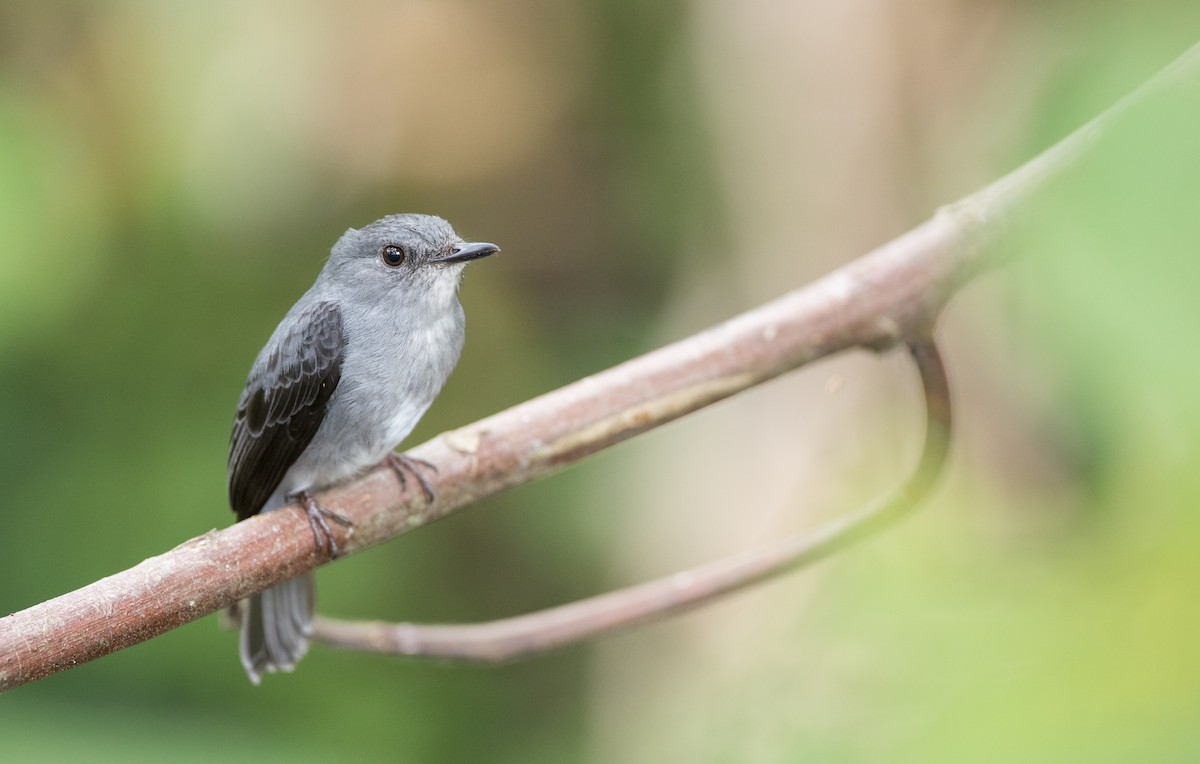
- Day 5: Ruhija to Buhoma via The Neck — Transfer from Ruhija to Buhoma Sector via The Neck corridor. Birding along the river stream for Cassin's Grey Flycatcher and Black Bee-eater.
- Day 6: Buhoma Forest Trails & Community Birding Walk — Full day birding the Waterfall Trail in Buhoma for Short-tailed Warbler, Kivu Ground Thrush, and Equatorial Akalat.
- Day 7: Buhoma to Entebbe (Domestic Flight / Express Drive) — Fly from Kihihi airstrip back to Entebbe International Airport for evening international departure.
Accommodation Options per Destination:
- Lake Mburo: Rwakobo Rock / Kigambira Safari Lodge
- Bwindi (Ruhija): Bakiga Lodge / Trekkers Tavern
- Bwindi (Buhoma): Buhoma Haven Lodge / Mahogany Springs Lodge
3. TANZANIA: RIFT VALLEY & EASTERN ARC ENDEMICS (ITINERARIES 6–7)
Tanzania is a titan of African biodiversity, boasting over 1,100 bird species across its savannahs, Rift Valley lakes, and ancient isolated mountain blocks. Here are 2 exceptional itineraries targeting northern big game/savannah species and eastern endemic forest species.
Itinerary 6: The 12-Day Northern Circuit & Great Migration Birding Safari
This itinerary pairs Tanzania's world-famous Northern Safari Circuit (Tarangire, Lake Manyara, Ngorongoro, Serengeti) with elite birding, targeting iconic Tanzanian savannah endemics, raptors, and massive flamingo flocks.
| Safari Parameter | Itinerary Details |
|---|---|
| Duration & Routing | 12 Days / 11 Nights: Arusha – Tarangire – Lake Manyara – Ngorongoro Crater – Serengeti – Lake Natron – Arusha |
| Primary Targets | Ashy Starling, Yellow-collared Lovebird, Fischer's Lovebird, Rufous-tailed Weaver, Beesley's Lark, Grey-crested Helmetshrike, Lesser Flamingo |
| Key Habitats | Baobab Savannah, Alkaline Lakes, Montane Crater Forest, Serengeti Short-Grass Plains |
| Best Season | November to April (Palaearctic migrants present & Great Migration in southern Serengeti) |
| Expected Species Count | 400 – 480 species |
Detailed Day-by-Day Routing:
- Day 1: Arrival in Arusha & Arusha National Park — Arrival in Arusha. Afternoon birding in Arusha National Park around the Momella Lakes and Mount Meru forest. Targets: Hartlaub's Turaco, Silvery-cheeked Hornbill, and Narina Trogon.
- Day 2: Arusha to Tarangire National Park — Drive to Tarangire National Park, famous for baobabs and elephant herds. Birding for endemics: Ashy Starling, Yellow-collared Lovebird, and Rufous-tailed Weaver.
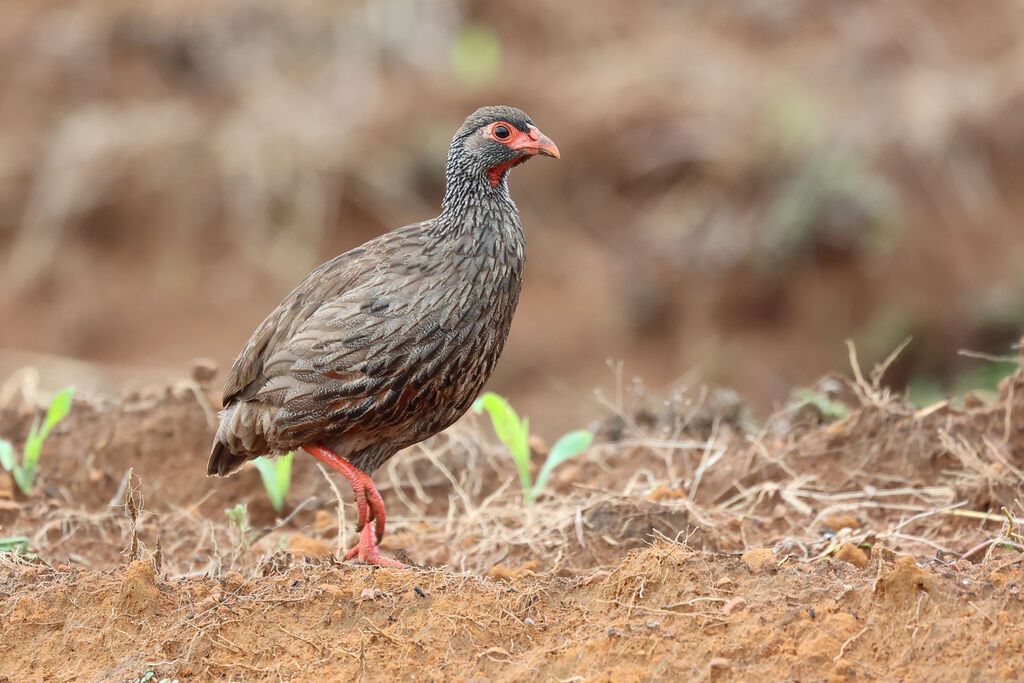
- Day 3: Tarangire National Park Full Day — Full day exploring Tarangire River circuit. Targets: Red-necked Spurfowl, Northern White-crowned Shrike, Bare-faced Go-away-bird, and Pygmy Falcon.
- Day 4: Lake Manyara National Park — Drive to Lake Manyara National Park underneath the Rift Valley escarpment. Search for thousands of Lesser and Greater Flamingos, Ground Hornbills, and Silvery-cheeked Hornbills.
- Day 5: Lake Manyara to Ngorongoro Crater Rim — Ascend into the Ngorongoro Highlands. Birding crater rim forest for Tacazze Sunbird, Golden-winged Sunbird, and Hunter's Cisticola.
- Day 6: Ngorongoro Crater Floor Safari — Descend 600 meters into Ngorongoro Crater floor. Targets: Kori Bustard, Secretarybird, Grey Crowned Crane, Rosy-throated Longclaw, and Black-bellied Bustard.
- Day 7: Ngorongoro to Serengeti National Park (Seronera) — Transit across Oldupai Gorge to Central Serengeti National Park (Seronera). Birding acacia woodlands for Fischer's Lovebird and Grey-capped Social Weaver.
- Day 8: Serengeti Plains & Seronera Valley — Full day exploring Serengeti plains. Search for Grey-crested Helmetshrike, Usambiro Barbet, Meyer's Parrot, and Silverbird.
- Day 9: Serengeti to Lake Natron — Transit north to Lake Natron, an active volcanic landscape at the base of Ol Doinyo Lengai. Prime breeding ground for millions of Lesser Flamingos.
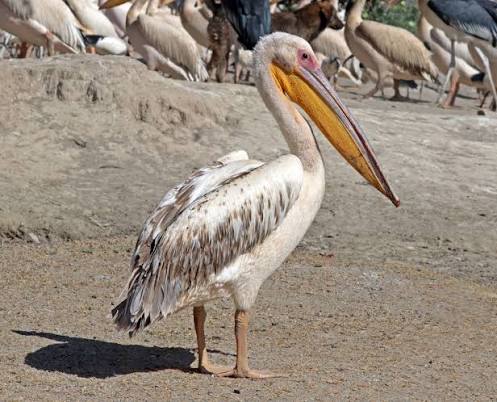
- Day 10: Lake Natron Waterbird & Flamingo Colony — Morning walking safari along Lake Natron mudflats for Chestnut-banded Plover, Great White Pelican, and Avocet. Evening dry scrub birding.
- Day 11: Lake Natron to Lark Plains (Beesley's Lark Quest) — Transit to Engaruka and Lark Plains near Mount Meru. Search specifically for the critically endangered Beesley's Lark (fewer than 100 individuals remaining).
- Day 12: Lark Plains to Arusha / Departure — Final morning birding on Lark Plains before driving back to Arusha / Kilimanjaro International Airport for departure.
Accommodation Options per Destination:
- Arusha: Arusha Villa / Mount Meru Hotel
- Tarangire: Tarangire Safari Lodge / Maramboi Tented Lodge
- Lake Manyara: Manyara Serena Safari Lodge / Kirurumu Manyara Lodge
- Ngorongoro: Ngorongoro Sopa Lodge / Rhino Lodge
- Serengeti: Serengeti Serena Safari Lodge / Kati Kati Tented Camp
- Lake Natron: Lake Natron Camp / Maasai Giraffe Eco-Lodge
Itinerary 7: The 10-Day Eastern Arc Mountains & Swahili Coast Endemic Circuit
The Eastern Arc Mountains of Tanzania (known as the 'Galapagos of Africa') consist of ancient, isolated mountain blocks covered in fragmented rain forest. This deep-niche itinerary targets extremely localized endemics found nowhere else on Earth.
| Safari Parameter | Itinerary Details |
|---|---|
| Duration & Routing | 10 Days / 9 Nights: Dar es Salaam – Uluguru Mountains – Udzungwa Mountains – Usambara Mountains (West & East) – Tanga |
| Primary Targets | Uluguru Bush-shrike, Loveridge's Sunbird, Udzungwa Forest Partridge, Rufous-winged Sunbird, Usambara Thrush, Usambara Akalat, Banded Green Sunbird |
| Key Habitats | Ancient Montane Rainforest, Sub-montane Forest, Kilombero Floodplain |
| Best Season | October to February (Peak bird calling season) |
| Expected Species Count | 250 – 320 species (Extremely high proportion of global endemics) |
Detailed Day-by-Day Routing:
- Day 1: Dar es Salaam to Morogoro (Uluguru Base) — Arrive in Dar es Salaam and drive to Morogoro at the base of the Uluguru Mountains.
- Day 2: Uluguru Mountains Endemic Hike — Day hike into the Uluguru Forest. Critical targets: Uluguru Bush-shrike, Loveridge's Sunbird, and Uluguru Greenbul.
- Day 3: Uluguru to Udzungwa Mountains National Park — Transit south to Udzungwa Mountains National Park. Afternoon walk along the forest base.
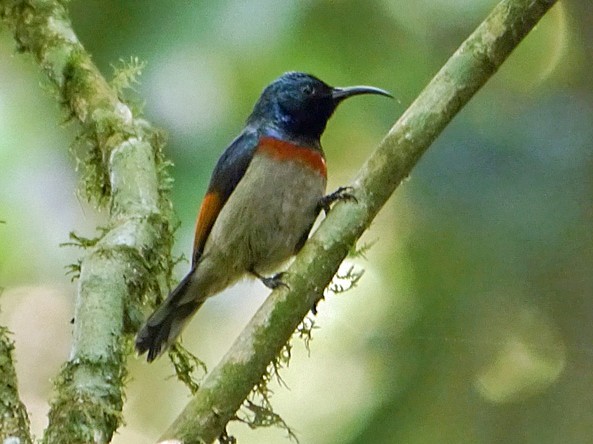
- Day 4: Udzungwa Mountains Sanje Falls Trail — Hike to Sanje Falls through pristine montane rainforest. Targets: Udzungwa Forest Partridge, Rufous-winged Sunbird, and Iringa Akalat.
- Day 5: Kilombero River Floodplain Specialists — Excursion to Kilombero River Floodplain. Target specialized wetland endemics: Kilombero Weaver, White-tailed Cisticola, and Kilombero Cisticola.
- Day 6: Udzungwa to West Usambara Mountains (Lushoto) — Long transit north across eastern Tanzania to Lushoto in the West Usambara Mountains.
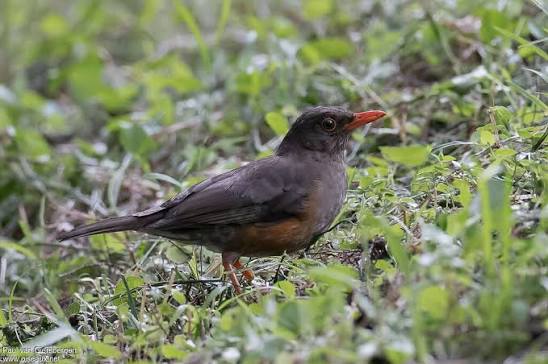
- Day 7: West Usambara Mountains (Magamba Forest) — Birding Magamba Forest Reserve in West Usambaras. Key species: Usambara Thrush, Usambara Akalat, Usambara Double-collared Sunbird, and Spot-throat.
- Day 8: West to East Usambara Mountains (Amani Nature Reserve) — Transit to East Usambara Mountains (Amani Nature Reserve). Rainforest canopy birding.
- Day 9: Amani Nature Reserve Rainforest Exploration — Full day exploring Amani trails. Critical endemics: Long-billed Forest Warbler, Banded Green Sunbird, Amani Sunbird, and Usambara Eagle-Owl.
- Day 10: Amani to Tanga / Dar es Salaam — Transit down to Tanga or Dar es Salaam for onward international connections.
Accommodation Options per Destination:
- Morogoro / Uluguru: Arc Hotel Morogoro / Nashera Hotel
- Udzungwa: Udzungwa Forest Camp (Hondo Hondo) / Twiga Hotel
- West Usambara (Lushoto): Mullers Mountain Lodge / Irente Farm Lodge
- East Usambara (Amani): Amani Rest House / Emau Hill Eco-Camp
4. KENYA: RIFT VALLEY LAKES & MASAI MARA (ITINERARY 8)
Itinerary 8: The 10-Day Great Rift Valley Lakes & Masai Mara Birding Odyssey
Kenya offers classic East African birding with spectacular infrastructure and diverse landscapes. This 10-day itinerary combines the alkaline and freshwater Rift Valley lakes, the unique Kakamega rainforest, and the bird-rich plains of the Masai Mara.
| Safari Parameter | Itinerary Details |
|---|---|
| Duration & Routing | 10 Days / 9 Nights: Nairobi – Lake Naivasha – Lake Nakuru – Lake Baringo – Kakamega Forest – Masai Mara – Nairobi |
| Primary Targets | Turner's Eremomela, Blue-headed Bee-eater, Jackson's Hornbill, Hemprich's Hornbill, Lesser Flamingo, Southern Ground Hornbill, Schalow's Turaco |
| Key Habitats | Rift Valley Freshwater & Soda Lakes, Semi-arid Scrub, Guineo-Congolian Rainforest Fragment, Open Mara Savannah |
| Best Season | October to April (Palearctic migrants present) |
| Expected Species Count | 380 – 460 species |
Detailed Day-by-Day Routing:
- Day 1: Arrival in Nairobi & Lake Naivasha — Arrival in Nairobi. Morning birding at Nairobi National Park (black rhino background) for Jackson's Widowbird and Pangani Longclaw. Drive to Lake Naivasha.
- Day 2: Lake Naivasha to Lake Nakuru National Park — Morning boat ride on Lake Naivasha for African Fish Eagle and White-backed Duck. Transit to Lake Nakuru National Park for flamingos and Rothschild giraffes.
- Day 3: Lake Nakuru to Lake Baringo — Drive north into the dry Rift Valley to Lake Baringo. Afternoon birding for Hemprich's Hornbill, Jackson's Hornbill, and Northern Masked Weaver.
- Day 4: Lake Baringo Arid Scrub & Boat Safari — Morning boat safari on Lake Baringo and cliff walk for Verreaux's Eagle, Slender-tailed Nightjar, and Lichtenstein's Sandgrouse. Transit west toward Kakamega.
- Day 5: Lake Baringo to Kakamega Forest Reserve — Arrive at Kakamega Forest Reserve—Kenya's only lowland equatorial rainforest fragment. Evening walk for Hammerkop and Ross's Turaco.
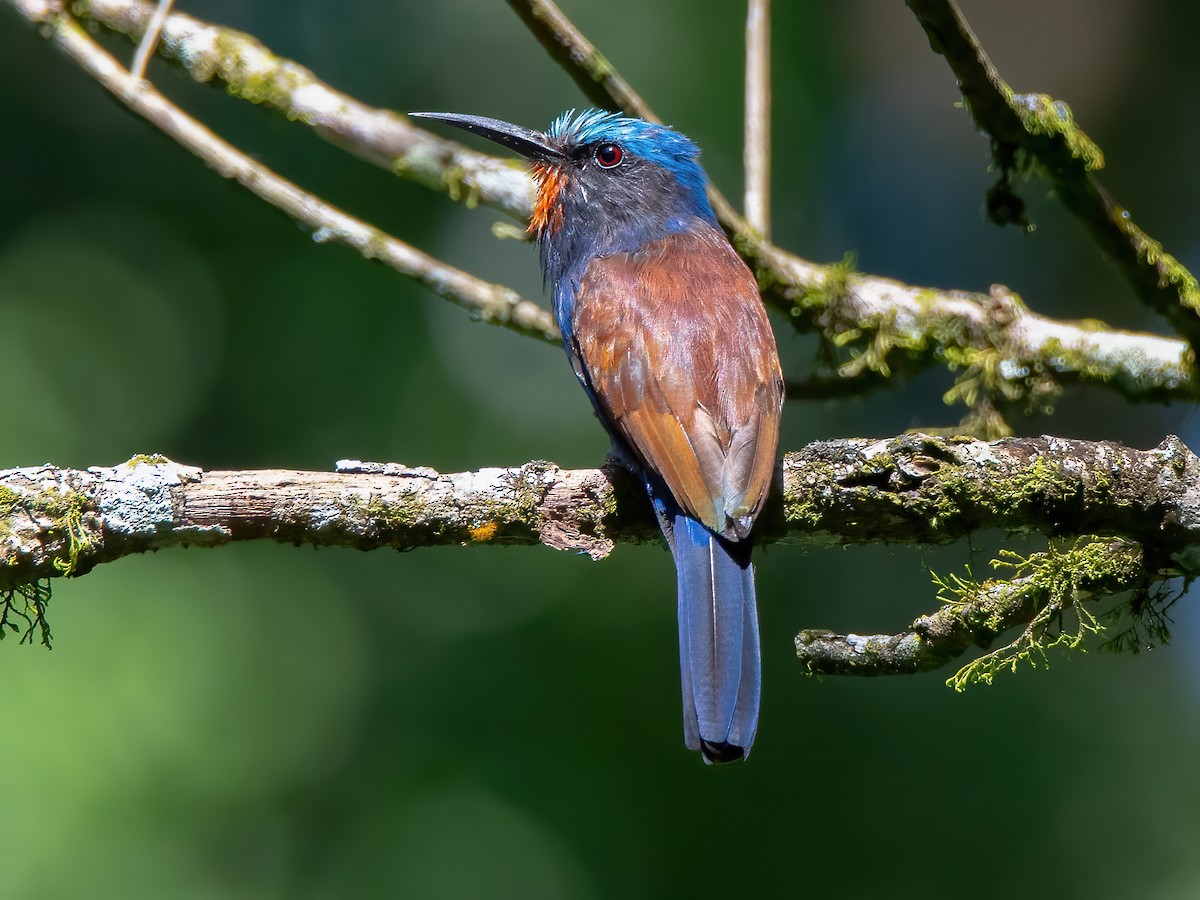
- Day 6: Kakamega Rainforest Full Day — Full day exploring Kakamega trails. Key targets: Turner's Eremomela, Blue-headed Bee-eater, Yellow-bellied Wattle-eye, Great Blue Turaco, and Equatorial Akalat.
- Day 7: Kakamega Forest to Masai Mara National Reserve — Transit south through tea country across the Equator to the Masai Mara National Reserve.
- Day 8: Masai Mara Savannah Plains — Full day savannah safari in Masai Mara. Targets: Southern Ground Hornbill, Secretarybird, Kori Bustard, Temminck's Courser, and Rufous-bellied Heron.
- Day 9: Mara River & Riverine Forest — Birding along Mara River riverine forest for Schalow's Turaco, Bare-faced Go-away-bird, and White-backed Vulture.
- Day 10: Masai Mara to Nairobi & Departure — Morning drive back across the Great Rift Valley escarpment to Nairobi for departure.
Accommodation Options per Destination:
- Lake Naivasha: Naivasha Sopa Lodge / Lake Naivasha Country Club
- Lake Nakuru: Sarova Lion Hill Game Lodge / Lake Nakuru Lodge
- Lake Baringo: Soi Safari Lodge / Samatian Island Lodge
- Kakamega Forest: Rondo Retreat Centre / Golf Hotel Kakamega
- Masai Mara: Sarova Mara Game Camp / Ashnil Mara Camp / Mara Serena Safari Lodge
5. SOUTHERN & ISLAND FRONTIERS (ITINERARIES 9–10)
Itinerary 9: South Africa – 12-Day Endemics, Fynbos & Pelagic Birding Circuit
South Africa boasts high-end infrastructure, spectacular endemic rates, and world-class pelagic seabirding off the Cape Peninsula. This 12-day route covers Fynbos endemics, pelagic seabirds, Karoo dry zone, and Kruger savannah.
| Safari Parameter | Itinerary Details |
|---|---|
| Duration & Routing | 12 Days / 11 Nights: Cape Town – Cape Peninsula – Pelagic Atlantic Ocean – Tankwa Karoo – Wilderness – Kruger National Park – Johannesburg |
| Primary Targets | Cape Sugarbird, Orange-breasted Sunbird, Cape Rockjumper, Victorin's Warbler, Shy Albatross, Black-browed Albatross, Blue Crane, Southern Bald Ibis |
| Key Habitats | Fynbos Floral Kingdom, Pelagic Open Ocean, Karoo Semi-Desert, Bushveld Savannah |
| Best Season | September to November (Spring wildflower blooms & peak seabird activity) |
| Expected Species Count | 350 – 420 species |
Detailed Day-by-Day Routing:
- Day 1: Cape Town & Kirstenbosch Botanical Gardens — Arrive in Cape Town. Afternoon birding at Kirstenbosch National Botanical Garden for Cape Sugarbird, Orange-breasted Sunbird, and Southern Double-collared Sunbird.
- Day 2: Cape Peninsula & Boulders Beach Penguin Colony — Explore Cape Peninsula. Visit Boulders Beach African Penguin colony and Cape Point for Cape Cormorant, African Oystercatcher, and Fynbos endemics.
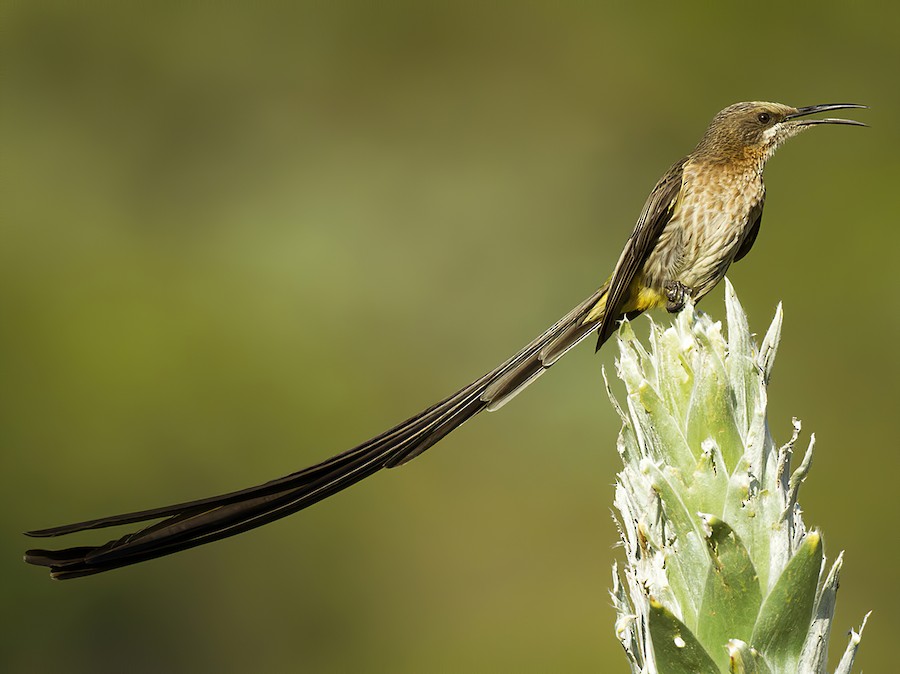
- Day 3: Cape Town Pelagic Seabird Expedition — Full day Pelagic Boat Trip into the Atlantic Ocean off Cape Point. Spectacular encounters with Shy Albatross, Black-browed Albatross, Indian Yellow-nosed Albatross, Pintado Petrel, Sooty Shearwater, and Wilson's Storm-Petrel.
- Day 4: Rooiels & Cape Rockjumper Quest — Drive to Rooiels and Harold Porter Botanical Gardens. Target Cape Rockjumper, Victorin's Warbler, and Cape Siskin.
- Day 5: Tankwa Karoo Semi-Desert Specialists — Transit inland across the Hex River Pass into the semi-desert Tankwa Karoo. Search for Karoo Eremomela, Burchell's Courser, Tractrac Chat, and Karoo Korhaan.
- Day 6: Tankwa Karoo to Overberg Plains & Garden Route — Drive south across Overberg wheatfields (South Africa's national bird: Blue Crane) to Wilderness on the Garden Route.
- Day 7: Wilderness Coastal Forest — Coastal forest birding for Knysna Turaco, Olive Thrush, Chorister Robin-Chat, and White-starred Robin.
- Day 8: Fly Cape Town to Kruger National Park — Fly from George / Cape Town to Skukuza in Kruger National Park. Afternoon game drive.
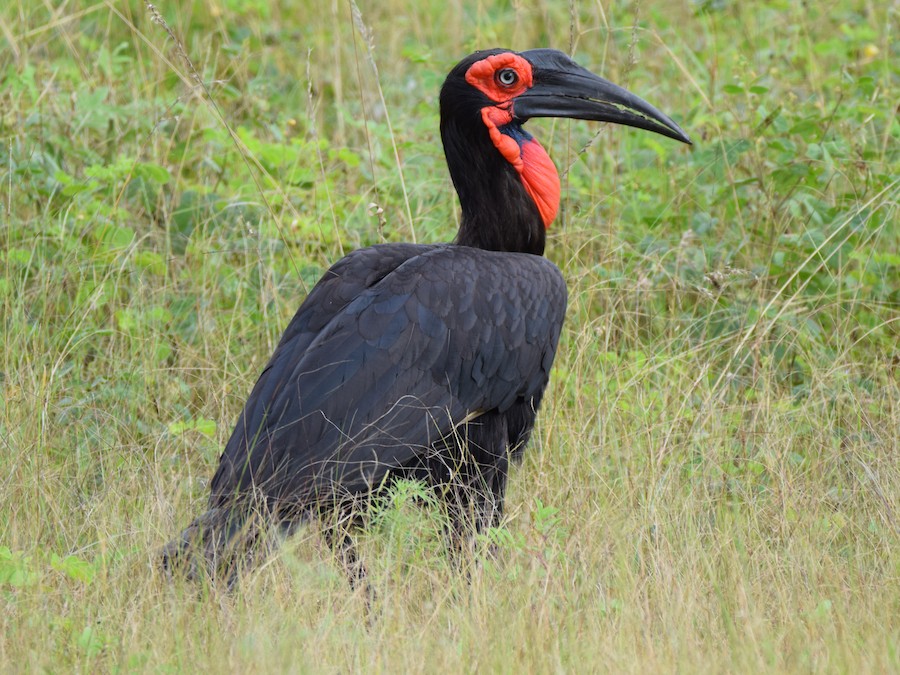
- Day 9: Kruger National Park Big Game & Raptor Safari — Full day game drive in Kruger. Targets: Southern Ground Hornbill, Martial Eagle, Saddle-billed Stork, Bateleur, and Lilac-breasted Roller.
- Day 10: Northern Kruger Bushveld — Explore northern Kruger bushveld for Kori Bustard, White-headed Vulture, and Crested Francolin.
- Day 11: Kruger to Dullstroom Highlands — Transit west through Dullstroom Highlands for Wattled Crane, Grey Crowned Crane, and Southern Bald Ibis.
- Day 12: Dullstroom to Johannesburg / Departure — Morning birding drive to OR Tambo International Airport in Johannesburg for departure.
Accommodation Options per Destination:
- Cape Town: The More Quarters Hotel / Victoria & Alfred Hotel
- Tankwa Karoo: Tankwa River Lodge / Tanqua Karoo National Park Rest Camp
- Wilderness: Wilderness Ocean Farer / Views Boutique Hotel & Spa
- Kruger National Park: Skukuza Rest Camp / Satara Rest Camp / Earth Lodge Sabi Sabi
- Dullstroom: Walkersons Hotel & Spa / Critchley Hackle Lodge
Itinerary 10: Madagascar – 12-Day Island Evolution & Endemic Families Expedition
Madagascar is not just a country; it is an evolutionary continent. Isolated for over 80 million years, over 100 bird species are endemic, including 5 complete endemic families: Vangas, Ground-Rollers, Mesites, Cuckoo-Roller, and Asities. This 12-day route targets these unique evolutionary lines.
| Safari Parameter | Itinerary Details |
|---|---|
| Duration & Routing | 12 Days / 11 Nights: Antananarivo – Andasibe-Mantadia – Ranomafana – Zombitse – Ifaty Spiny Forest – Toliara – Antananarivo |
| Primary Targets | Pitta-like Ground-Roller, Short-legged Ground-Roller, Subdesert Mesite, Cuckoo-Roller, Sickle-billed Vanga, Helmet Vanga, Velvet Asity, Sunbird-Asity |
| Key Habitats | Eastern Primary Rainforest, Southern Spiny Deciduous Thicket, Dry Deciduous Forest |
| Best Season | October to December (Peak vocal display period & breeding season) |
| Expected Species Count | 140 – 180 species (Extreme endemic percentage > 65%) |
Detailed Day-by-Day Routing:
- Day 1: Antananarivo to Andasibe-Mantadia National Park — Arrival in Antananarivo (Tana). Transit east through highland rice paddies to Andasibe.
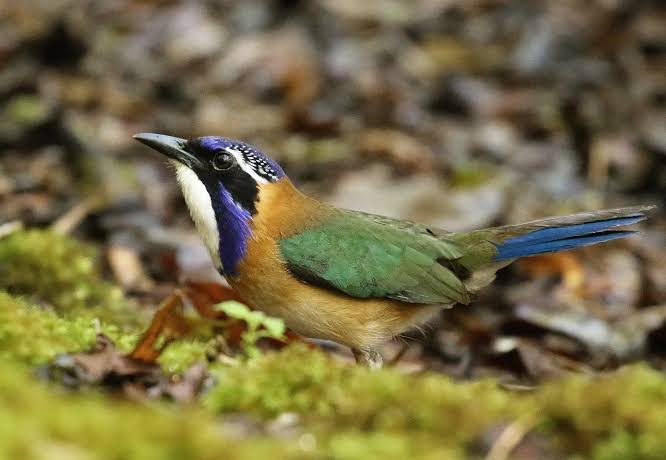
- Day 2: Mantadia Primary Rainforest — Full day in Mantadia Primary Rainforest. Critical targets: Short-legged Ground-Roller, Pitta-like Ground-Roller, Scaled Ground-Roller, Red-breasted Coua, and Black-and-white Ruffed Lemur.
- Day 3: Analamazaotra Reserve & Indri Lemurs — Explore Analamazaotra Reserve. Target Velvet Asity, Madagascar Cuckoo-Roller, Madagascar Crested Ibis, and listen to the haunting call of Indri Lemurs.
- Day 4: Andasibe to Ranomafana National Park — Long transit south through Antsirabe and Ambositra to Ranomafana National Park.
- Day 5: Ranomafana Rainforest Exploration — Full day hiking Ranomafana montane rainforest. Targets: Yellow-bellied Sunbird-Asity, Rufous-headed Ground-Roller, Brown Mesite, Pollen's Vanga, and Crossley's Vanga.
- Day 6: Ranomafana to Isalo Sandstone Massif — Transit west toward Isalo National Park, crossing the Horombe Plateau. Look for Madagascar Harrier-Hawk and Reunion Harrier.
- Day 7: Zombitse-Vohibasia National Park to Toliara — Morning birding in Zombitse-Vohibasia National Park—a isolated forest patch home to the critically localized Appert's Tetraka. Drive to Toliara.
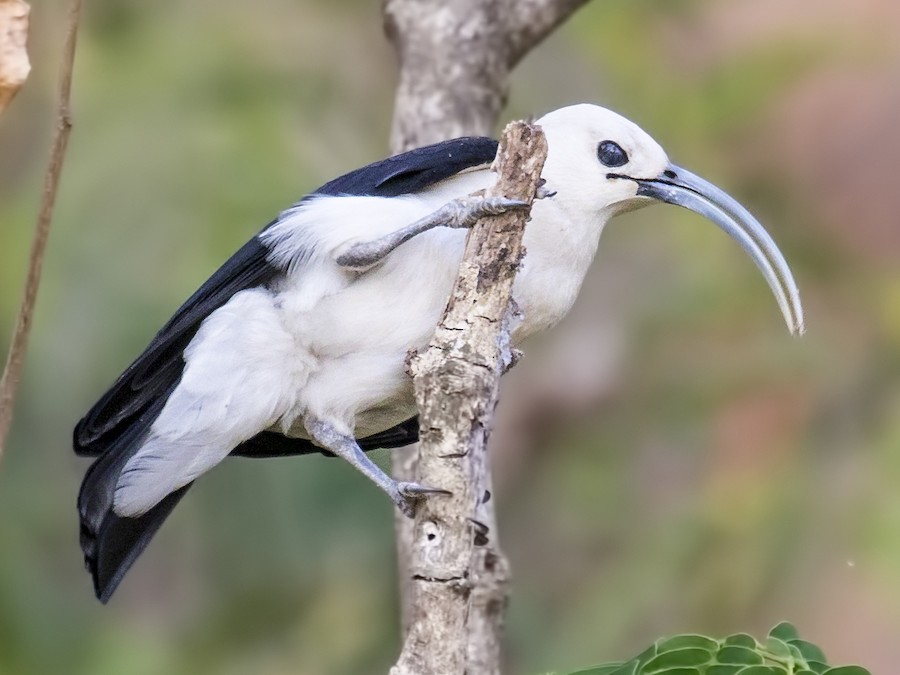
- Day 8: Ifaty Spiny Forest Endemic Quest — Pre-dawn entry into the famous Ifaty Spiny Forest. Targeting surreal species: Subdesert Mesite, Long-tailed Ground-Roller, Sickle-billed Vanga, Archbold's Newtonia, and Running Coua.
- Day 9: Nosy Ve Coral Island & St. Augustin Bay — Boat trip across Mozambique Channel to Nosy Ve coral island for Red-tailed Tropicbird colony and Crab-Plover. Afternoon birding at St. Augustin Bay.
- Day 10: Toliara to Antananarivo Domestic Flight — Fly from Toliara back to Antananarivo.
- Day 11: Ankarafantsika Dry Deciduous Forest — Day trip to Ankarafantsika National Park in northwestern dry deciduous forest for White-breasted Mesite, Schlegel's Asity, and Van Dam's Vanga.
- Day 12: Antananarivo & Departure — Final morning shopping at Tana handicraft market before international departure flight.
Accommodation Options per Destination:
- Andasibe-Mantadia: Vakona Forest Lodge / Andasibe Hotel / Eulophiella Lodge
- Ranomafana: Setam Lodge / Thermal Hotel Ranomafana
- Isalo: Jardin du Roy / Relais de la Reine
- Ifaty / Toliara: Les Eaux Douces / Dunes d'Ifaty / Le Anakarana
- Antananarivo: Relais des Plateaux / Hotel du Louvre
6. PRACTICAL BIRDING SAFARI PREPARATION & FIELD GUIDE
Optics, Audio & Photography Strategy
To maximize species identification in dense African rainforests and wide savannahs, proper gear selection is non-negotiable:
- Binoculars — Binoculars: 8x42 optics offer the best balance of field-of-view and light transmission under dark rainforest canopies (e.g. Bwindi, Kakamega, Amani). 10x42 optics are preferred for wide savannah open terrain (e.g. Serengeti, Kidepo).
- Audio Gear — Audio Playback & Directional Mics: A small Bluetooth speaker paired with Merlin Bird ID or Birds of Africa audio apps can prove decisive for secretive understory species like Green-breasted Pitta, Akalats, and Flufftails. Use playback ethically (limit to 2-3 brief calls).
- Camera Gear — Camera Setup: A telephoto lens in the 400mm to 600mm range (or 100-400mm f/4.5-5.6) with fast autofocus is required for fast-moving canopy birds and skittish waterbirds.
Health, Visas & Field Safety
- Yellow Fever — Yellow Fever Certification: Mandatory for entry into Uganda, Kenya, Tanzania, and Madagascar.
- Malaria — Malaria Prophylaxis: High risk in all low-altitude safari parks and wetlands. Doxycycline, Malarone, or Mefloquine recommended.
- Clothing — Footwear & Clothing: High-top waterproof hiking boots with deep tread for muddy forest trails (Bwindi, Usambara, Mantadia). Neutral green, khaki, or brown long-sleeved clothing protects against tsetse flies in savannah parks.