
3 Days Bwindi Gorilla Trekking Safari in Uganda
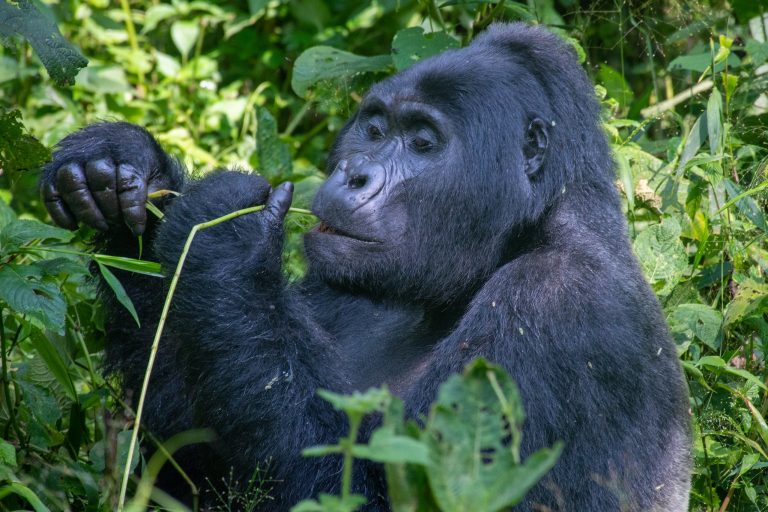
Three days is the perfect window for a face-to-face encounter with mountain gorillas. It is long enough to travel in from Entebbe or Kigali, spend a full day tracking a habituated gorilla family through misty rainforest, and fly or drive back out — without needing a week away from home or the office. Whether you have three days tacked onto a business trip to East Africa, a stopover before a longer Kenya or Tanzania safari, or you simply want the single most rewarding wildlife experience on the continent without a long commitment, a 3-day gorilla trekking safari delivers it.
Mountain gorillas survive in only two ecosystems on Earth: the Virunga Massif, shared by Rwanda’s Volcanoes National Park, Uganda’s Mgahinga Gorilla National Park and Congo’s Virunga National Park, and the separate Bwindi Impenetrable Forest in southwestern Uganda. Roughly half of the world’s remaining mountain gorillas — just over 1,000 individuals — live across these two countries, and both Uganda and Rwanda run world-class, tightly regulated trekking programmes that put you within a few metres of a wild gorilla family for a full, unforgettable hour.
The two countries offer genuinely different experiences, at different price points, with different logistics. Uganda’s Bwindi Impenetrable National Park is more affordable, has four separate trekking sectors and far more permits available per day, and rewards travellers who don’t mind a longer overland drive. Rwanda’s Volcanoes National Park is a short, smooth 2 to 3-hour drive from Kigali International Airport, has the continent’s most polished luxury-lodge scene, and suits travellers who want maximum experience for minimum time on the road. There is also a third, increasingly popular way to do it: fly directly between Kigali and southwestern Uganda, combining Uganda’s lower permit price with Rwanda’s superior flight connectivity.
Below are three fully worked 3-day gorilla trekking itineraries — one built around Uganda, one built around Rwanda, and one that flies between the two — each with a full daily breakdown, accommodation options across budget, midrange and luxury categories, honest notes on flights between Rwanda and Uganda, and a clear explanation of what makes each itinerary the better choice for a particular kind of traveller. A packing list and an in-depth FAQ section follow at the end.
Itinerary 1: Classic Uganda Gorilla Trekking Safari — Entebbe, Bwindi Impenetrable Forest, Entebbe
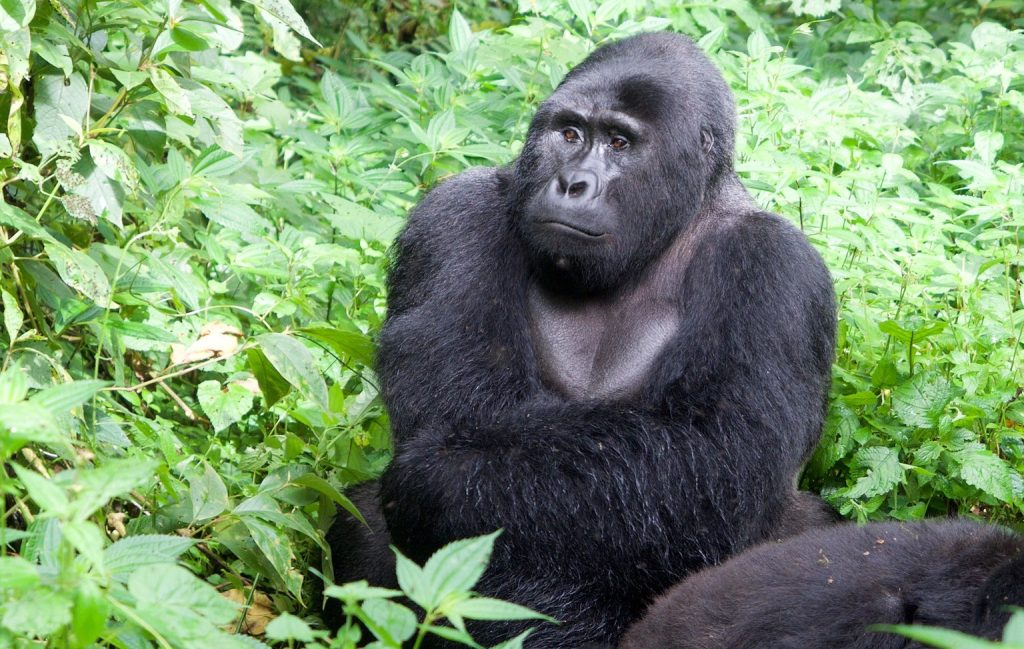
This is the original and still the most popular way to see mountain gorillas on a 3-day budget: fly into Entebbe International Airport, drive overland to Bwindi Impenetrable National Park in the far southwest of Uganda, trek to see a habituated gorilla family, and return. It is the most affordable of the three itineraries and gives access to Uganda’s widest choice of trekking sectors and gorilla families.
Day-by-Day Breakdown
| Day | Itinerary Details |
| Day 1 Entebbe – Bwindi Impenetrable National Park | An early departure from Entebbe or Kampala is essential, since the drive to Bwindi covers roughly 470–520 km and takes 8–9 hours depending on the route and sector you are trekking in (Buhoma, Ruhija, Rushaga or Nkuringo). The most scenic route runs south through Mbarara and the rolling green hills of Ntungamo before climbing into the terraced, volcanic highlands around Kabale — often called the 'Switzerland of Africa' for its folded hills and crater lakes. Many itineraries break the drive with a stop at Lake Mburo National Park (roughly the halfway point) for lunch and a short game walk or boat ride among zebra, impala and eland, which turns a long transfer day into part of the safari itself. Arrival at your Bwindi lodge is typically late afternoon. Dinner and an early night are recommended, since trekking briefings start early the next morning. |
| Day 2 Mountain Gorilla Trekking in Bwindi | Wake by 5:30–6:00 am for breakfast, then transfer to the sector trailhead for the 7:30–8:00 am ranger briefing, where you are allocated to one of the habituated gorilla families and given safety guidelines. The trek itself can last anywhere from 1 to 6 hours each way through dense, steep, genuinely 'impenetrable' rainforest, depending on where the gorilla family has moved overnight. Once located, you are permitted exactly one hour in the company of the gorillas, watching silverbacks, mothers and playful juveniles at extremely close range — often just a few metres away. The return hike brings you back to the trailhead by mid-to-late afternoon; porters are available to carry bags and assist on steep sections (highly recommended, and a meaningful way to support the local community). Optional add-on: travellers wanting a deeper encounter can instead book gorilla habituation experience permits in the Rushaga sector, which allow up to four hours with a gorilla family that is still being acclimatised to human presence. |
| Day 3 Bwindi – Entebbe (or onward connection) | After a relaxed breakfast, begin the return drive to Entebbe, timed to reach the airport for an evening international departure. Travellers with a little more time can swap the final day for a scenic transfer via Queen Elizabeth National Park, adding a game drive or Kazinga Channel boat cruise before flying out — effectively upgrading the 3-day trip into a 4-day one. Alternatively, a domestic flight from Kihihi or Kisoro airstrip back to Entebbe (around 1.5 hours) can replace the road transfer, turning Day 3 into a half-day and freeing up time for shopping or rest in Entebbe before an evening flight. |
Accommodation Options in Bwindi
Bwindi has four trekking sectors — Buhoma (north), Ruhija (east), Rushaga and Nkuringo (south) — each with its own cluster of lodges. Choose your sector based on which gorilla family you are assigned and how far you are willing to drive on Day 1.
Budget
- Lodge Options: Buhoma Community Rest Camp, Ride 4 A Woman Guesthouse, Broadbill Forest Camp, Gorilla Valley Lodge
- Highlights: Simple en-suite bandas or rooms, home-style meals, run in partnership with local communities, from roughly $60–120 per night.
Midrange
- Lodge Options: Engagi Lodge, Buhoma Lodge, Silverback Lodge, Bwindi View Bandas, Chameleon Hill Lodge (Ishasha)
- Highlights: Comfortable cottages with private verandas, forest or valley views, full board, warm-water showers, from roughly $180–350 per night.
Luxury
- Lodge Options: Sanctuary Gorilla Forest Camp, Bwindi Lodge, Mahogany Springs, Clouds Mountain Gorilla Lodge, Gorilla Safari Lodge (Rushaga)
- Highlights: Elegant tented suites or stone cottages, spa treatments, fireside dining, panoramic forest-edge decks, from roughly $450–900+ per night.
Why Choose This Itinerary
- Lowest cost per experience: a Uganda gorilla permit costs USD 700 (non-foreign-resident rate) compared with USD 1,500 in Rwanda, and Uganda lodges generally run cheaper than their Rwandan equivalents at every tier.
- Far more permits and choice: Bwindi issues roughly 160 permits a day across 20 habituated families in four sectors, compared with Rwanda’s 10 families — meaning easier last-minute booking and a genuine choice of trekking difficulty.
- The Impenetrable Forest itself: Bwindi is one of Africa’s oldest and most biodiverse rainforests, over 25,000 years old, with a denser, wilder, more dramatic trekking environment than the more open bamboo-and-volcanic slopes of Rwanda’s Virunga side.
- Combine with other wildlife: the road route passes near Lake Mburo and Queen Elizabeth National Parks, so a Day 1 or Day 3 game drive, boat cruise, or even a search for Ishasha’s tree-climbing lions is easy to bolt on without adding a border crossing.
- Gorilla habituation experience option: only Uganda’s Rushaga sector offers this extended, four-hour, small-group encounter with gorillas still being habituated — unavailable anywhere in Rwanda.
- Best for: budget-conscious travellers, repeat safari-goers wanting a deeper forest experience, and anyone happy to trade a longer overland transfer for a lower overall cost.

Itinerary 2: Rwanda Volcanoes National Park Gorilla Trekking Safari — Kigali, Musanze, Kigali
This itinerary is built for travellers who want the shortest possible distance between an international flight and a gorilla encounter. Kigali International Airport is only a 2- to 3-hour paved drive from Volcanoes National Park, so the entire trip can comfortably run over a long weekend, with time on either side for Kigali’s excellent restaurants, museums and memorials.
Day-by-Day Breakdown
| Day | Itinerary Details |
| Day 1 Arrive Kigali – Transfer to Musanze / Volcanoes National Park | Land at Kigali International Airport and meet your driver-guide. Rwanda's capital is famously clean, safe and orderly, so even a short city stop is worthwhile: the Kigali Genocide Memorial for context on the country's history, the vibrant Kimironko Market, or a coffee tasting at one of the city's celebrated cafés. From Kigali, it is a smooth 2- to 3-hour drive north on excellent tarmac roads through terraced hillsides to Musanze (formerly Ruhengeri), the gateway town for Volcanoes National Park, with the jagged silhouettes of the Virunga volcanoes visible for much of the drive. Check in to your lodge in the afternoon, with time for a briefing on the next day's trek, a spa treatment (at the higher-end properties), or a short cultural visit to a nearby Iby'Iwacu Cultural Village. |
| Day 2 Gorilla Trekking in Volcanoes National Park | An early 5:30–6:30 am start gets you to park headquarters at Kinigi for the 7:00 am briefing, complete with traditional dance performances while permits and gorilla families are allocated. Treks in the Virunga volcanic slopes tend to be shorter on average than in Bwindi — often 1 to 4 hours each way — through bamboo forest and more open volcanic terrain, though altitude (up to around 3,000 m) adds its own challenge. You spend a strictly regulated one hour with your assigned gorilla family, one of ten habituated groups spread across the park, before descending back to the trailhead by early-to-mid afternoon. The rest of the afternoon is free for relaxation at the lodge; several properties offer volcano-view spas, guided nature walks, or simply time to enjoy the mountain scenery. |
| Day 3 Optional Activity – Return to Kigali – Departure | With gorilla trekking already completed, Day 3 in Rwanda is flexible. Popular add-ons include golden monkey trekking (a shorter, easier half-day trek to see a troop of the endangered, acrobatic golden monkey, also within Volcanoes National Park) or a hike to Dian Fossey's tomb and the former Karisoke Research Centre. Alternatively, depart straight after breakfast for the drive back to Kigali, arriving with time for a final lunch, a visit to Inema Arts Centre, or last-minute shopping before an evening international flight. Travellers on tighter timelines can fly Kigali–Musanze–Kigali by helicopter (roughly 25–35 minutes each way, seasonal availability) to shave hours off the road transfer, effectively compressing this itinerary into an even shorter trip. |
Accommodation Options Around Volcanoes National Park (Musanze)
Musanze town and the road leading up to the park entrance host a full range of lodges just minutes from the trailhead at Kinigi park headquarters.
Budget
- Lodge Options: Fatima House, Da Vinci Gorilla Lodge, Kinigi Guesthouse, Amahoro Guest House
- Highlights: Clean, comfortable rooms close to park headquarters, home-cooked meals, from roughly $70–150 per night.
Midrange
- Lodge Options: Mountain Gorilla View Lodge, Le Bambou Gorilla Lodge, Virunga Lodge (also upper-tier), Villa Gorilla
- Highlights: Cottages with volcano or valley views, hot showers, good food, from roughly $250–450 per night.
Luxury
- Lodge Options: Bisate Lodge, One&Only Gorilla’s Nest, Singita Kwitonda Lodge, Sabyinyo Silverback Lodge, Kwitonda Lodge
- Highlights: Architect-designed suites, private butlers, spa facilities, fine dining, from roughly $1,200–2,500+ per night — among the finest lodges in Africa.
Why Choose This Itinerary
- Shortest transfer time in the region: Volcanoes National Park is barely 2–3 hours from Kigali International Airport on a fully paved, well-signposted road, compared with 8–9 hours from Entebbe to Bwindi — a decisive advantage if your total trip is only three days.
- Rwanda’s renowned safety, cleanliness and infrastructure: Kigali is consistently ranked among Africa’s safest and best-run capitals, and this quality of infrastructure extends to the roads and services around Musanze.
- The world’s best concentration of luxury gorilla lodges: properties such as Bisate, Singita Kwitonda and One&Only Gorilla’s Nest are architectural and culinary landmarks in their own right, unmatched in variety by any comparable lodges in Uganda.
- Golden monkey trekking in the same park: Volcanoes National Park is one of the very few places on Earth to combine gorilla and golden monkey trekking without changing location, making a rich Day 3 add-on effortless.
- International flight connectivity: Kigali is served by more frequent long-haul and regional connections than Entebbe on several routes, including RwandAir’s growing network, making Rwanda a natural fit for a genuinely short trip.
- Best for: time-poor travellers, honeymooners and luxury travellers, and anyone connecting a gorilla trek to a broader Rwanda itinerary (Nyungwe Forest, Akagera National Park, Lake Kivu).
Itinerary 3: Fly-In Cross-Border Safari — Kigali (Rwanda) to Bwindi (Uganda) and Back
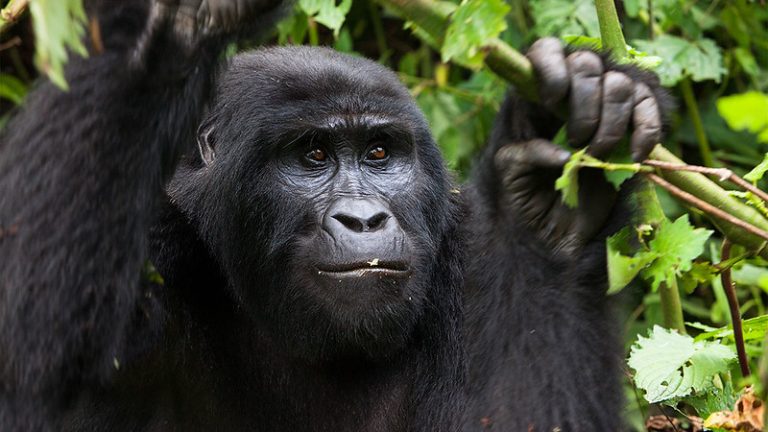
This itinerary is the best-kept secret of East African gorilla trekking: fly directly between Kigali and the airstrips of southwestern Uganda, trekking in Bwindi’s southern sectors (Rushaga or Nkuringo) while flying rather than driving in and out. It combines Uganda’s lower permit cost and larger choice of gorilla families with Rwanda’s superior international flight connections, cutting a potential 8–9 hour road transfer down to roughly one hour in the air.
Day-by-Day Breakdown
| Day | Itinerary Details |
| Day 1 Arrive Kigali – Fly to Kisoro – Transfer to Bwindi (Southern Sectors) | Fly into Kigali International Airport, ideally on a morning arrival, and connect same-day (or overnight in Kigali, departing early the next morning) onto a scheduled light-aircraft flight to Kisoro airstrip in southwestern Uganda, a flight of around 45–60 minutes over the Virunga volcanoes and Lake Bunyonyi. From Kisoro, it is a scenic 1- to 1.5-hour road transfer to the Rushaga or Nkuringo sectors of Bwindi Impenetrable National Park, both of which sit close to the Rwanda–Uganda border and are the natural fit for this route. Check in to your lodge with time to relax, enjoy sweeping views over the forest canopy, and receive your trekking briefing for the following morning. |
| Day 2 Gorilla Trekking in Bwindi's Rushaga or Nkuringo Sector | An early breakfast is followed by the drive to the ranger station for the 7:30–8:00 am briefing and allocation to one of the habituated families in the sector — Rushaga alone has eight habituated groups, the highest concentration in Bwindi. Trek through steep, forested terrain in search of your gorilla family, with walks ranging from roughly 2 to 6 hours round-trip depending on the family's movements overnight; porters are strongly recommended given the terrain's elevation changes. Spend your allotted one hour observing the gorillas at close range before descending back to the trailhead and returning to the lodge for a well-earned rest. Travellers wanting an even richer wildlife day can instead choose the gorilla habituation experience in Rushaga, extending the encounter to up to four hours with a semi-habituated family. |
| Day 3 Fly Kisoro – Kigali (or Entebbe) – International Departure | After breakfast, transfer back to Kisoro airstrip for the return flight, either to Kigali International Airport (to connect onward internationally via RwandAir or partner carriers) or onward to Entebbe if your international flight departs from Uganda instead. This flying option means Day 3 requires only a short 1- to 1.5-hour road transfer plus a roughly one-hour flight — versus a full 8- to 9-hour drive on the classic overland Uganda itinerary — leaving time to relax at the airport lounge or fit in a final coffee in Kigali before departure. Some itineraries route the outbound flight through Entebbe instead of Kigali, effectively allowing you to fly into one country and out of the other — a genuinely efficient way to see both nations' scenery from the air in a single trip. |
Accommodation Options Near Rushaga and Nkuringo (Southern Bwindi)
These southern sectors, closest to the Kisoro airstrip and the Rwanda border, host their own set of lodges positioned for both trekking convenience and views of the surrounding Virunga volcanoes.
Budget
- Lodge Options: Nkuringo Gorilla Camp, Rushaga Gorilla Camp, Broadbill Forest Camp
- Highlights: Simple, comfortable en-suite bandas close to the Rushaga and Nkuringo trailheads, from roughly $90–160 per night.
Midrange
- Lodge Options: Chameleon Hill Lodge, Gorilla Safari Lodge (Rushaga), Nshongi Camp, Rushaga Gorilla Haven Lodge
- Highlights: Stylish cottages with volcano or valley views, full board and warm hospitality, from roughly $220–380 per night.
Luxury
- Lodge Options: Clouds Mountain Gorilla Lodge, Nkuringo Bwindi Gorilla Lodge, Gahinga Lodge (Mgahinga, nearby alternative)
- Highlights: High-end stone cottages, fireplaces, panoramic decks over the forest canopy and Virunga volcanoes, from roughly $500–950 per night.
Why Choose This Itinerary
- The best of both worlds on cost and convenience: you pay Uganda’s lower USD 700 gorilla permit fee while relying on Rwanda’s superior long-haul flight network into Kigali, rather than being limited to Entebbe’s schedules.
- Dramatically less time on the road: a roughly one-hour flight plus a short transfer replaces the 8–9 hour drive of the classic Uganda itinerary, freeing up nearly a full day for trekking, relaxing or an extra activity.
- Spectacular aerial scenery: the Kigali–Kisoro flight path passes directly over the volcanic cones of the Virunga range and the terraced hills of the Kigezi highlands — a sightseeing experience in its own right.
- Access to Rushaga’s eight gorilla families: the southern sectors reached from Kisoro airstrip have the widest choice of habituated groups and difficulty levels in all of Bwindi, plus the only habituation-experience permits.
- Flexible open-jaw routing: flying into Kigali and out of Entebbe (or vice versa) lets you experience two countries’ capitals, cultures and landscapes without backtracking, ideal for travellers combining this trek with onward safari plans in either country.
- Best for: travellers with limited days who still want Uganda’s lower permit cost and wider trekking choice, and anyone who prefers flying over long overland transfers on rough or winding roads.
Flying Between Rwanda and Uganda: Practical Fly-In Options
Regional aviation has made cross-border gorilla safaris far easier in recent years. If you are combining a Rwanda arrival with Uganda gorilla trekking (as in Itinerary 3), or simply want to skip a long road transfer within Uganda, here is what to expect.
Route Options
- Kigali (KGL) – Kisoro (KSE), Uganda: the most direct route for reaching Bwindi’s southern Rushaga and Nkuringo sectors. Flight time is approximately 45 minutes to 1 hour on light aircraft (typically Cessna Caravan-type equipment), operated on a scheduled or charter basis by regional carriers such as Aerolink Uganda. Onward road transfer to your lodge is roughly 1 to 1.5 hours.
- Kigali (KGL) – Kihihi, Uganda: used for travellers heading to the northern Buhoma or Ruhija sectors instead; flight time is longer, at roughly 1.5 hours, with a similar length onward drive.
- Entebbe (EBB) – Kisoro / Kihihi, Uganda: for travellers not routing through Rwanda at all but still wishing to avoid the long road transfer within Uganda, domestic flights from Entebbe to Bwindi’s airstrips take roughly 1.5 to 2 hours and can replace Day 1 or Day 3 driving on Itinerary 1.
What to Expect
- Aircraft and baggage: flights use small aircraft (12–14 seats), with strict baggage limits — typically 15 kg total in soft-sided bags, so pack accordingly if flying is part of your plan.
- Cost: one-way fares on the Kigali–Kisoro route typically run from roughly USD 300 to USD 470 per person depending on the carrier, season and how far in advance you book; private charters cost more but offer flexible timing.
- Scheduling: scheduled flights run most days but not necessarily daily on every route, so this itinerary generally needs to be booked several weeks ahead alongside your gorilla permits to lock in matching flight and trekking dates.
- Visas: most nationalities can use the East Africa Tourist Visa, which covers Rwanda, Uganda and Kenya on a single visa and is by far the simplest option for this cross-border route — apply online before travel.
A reputable ground operator will coordinate flight timings with your gorilla permit date and lodge bookings, since permits are allocated to specific dates and cannot be changed once confirmed. Always book flights and permits together, ideally through the same operator, to avoid mismatched schedules.
Which Itinerary Should You Choose?
All three itineraries deliver the same central experience — a full, unforgettable hour with a wild mountain gorilla family — but they differ meaningfully in cost, time on the road, and the wider experience around the trek. The table below summarises the key differences at a glance.
Gorilla permit cost
- Itinerary 1: Uganda (Road): USD 700
- Itinerary 2: Rwanda: USD 1,500
- Itinerary 3: Fly-In Cross-Border: USD 700 (Uganda permit)
Airport used
- Itinerary 1: Uganda (Road): Entebbe (EBB)
- Itinerary 2: Rwanda: Kigali (KGL)
- Itinerary 3: Fly-In Cross-Border: Kigali in, Kigali or Entebbe out
Transfer time to park
- Itinerary 1: Uganda (Road): 8–9 hrs by road
- Itinerary 2: Rwanda: 2–3 hrs by road
- Itinerary 3: Fly-In Cross-Border: ~1 hr flight + 1–1.5 hrs road
Gorilla families available
- Itinerary 1: Uganda (Road): 20 (4 sectors)
- Itinerary 2: Rwanda: 10
- Itinerary 3: Fly-In Cross-Border: 8 (Rushaga sector alone)
Habituation experience option
- Itinerary 1: Uganda (Road): Yes (Rushaga)
- Itinerary 2: Rwanda: No
- Itinerary 3: Fly-In Cross-Border: Yes (Rushaga)
Luxury lodge concentration
- Itinerary 1: Uganda (Road): Good
- Itinerary 2: Rwanda: Exceptional
- Itinerary 3: Fly-In Cross-Border: Good
Best for
- Itinerary 1: Uganda (Road): Budget & value travellers
- Itinerary 2: Rwanda: Time-conscious & luxury travellers
- Itinerary 3: Fly-In Cross-Border: Best-of-both travellers
There is no single ‘best’ option — only the best option for your priorities. Choose Itinerary 1 if budget and choice of gorilla families matter most to you. Choose Itinerary 2 if you have very limited time and want the smoothest possible transfer alongside the region’s finest lodges. Choose Itinerary 3 if you want Uganda’s lower cost and wider trekking choice without paying for it in hours spent on the road.
Gorilla Trekking Gear: What to Pack
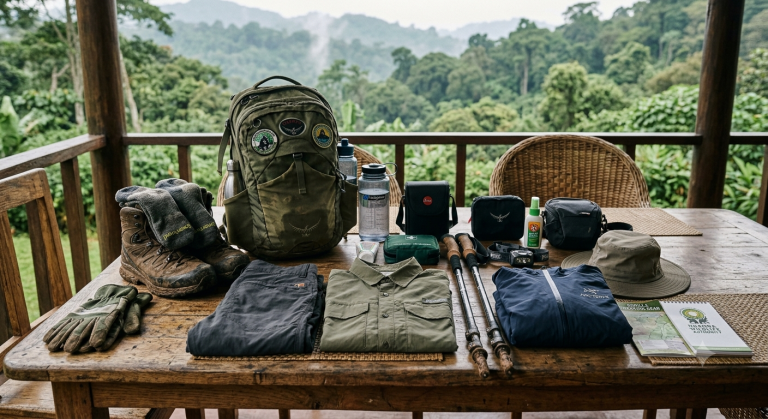
The trek itself — not the flights or lodges — is the most physically demanding part of the trip, so the right gear makes a real difference to your comfort and enjoyment. Bwindi and Volcanoes National Park are both muddy, steep, and thickly vegetated rainforest environments, often at altitude, so pack with that in mind.
Essential Clothing
- Waterproof, ankle-supporting hiking boots: already broken in before your trip — this is the single most important item you will pack.
- Long-sleeved shirt and long, sturdy trousers: tucked into boots or gaiters to protect against stinging nettles, thorns and safari ants; neutral colours (khaki, green, brown) are preferred over bright colours or camouflage (the latter is restricted for civilians in both countries).
- Waterproof rain jacket: rainforest weather is unpredictable at any time of year, and a light, packable jacket is essential even in the ‘dry’ season.
- Gardening-style gloves: thin, grippy gloves protect your hands when grabbing vegetation, vines and nettles on steep sections.
- Gaiters: worn over boots and lower trousers, these keep mud, ants and thorns out and are one of the most under-packed but valuable items.
- A warm layer (fleece or light jacket): mornings at altitude, especially in Rwanda’s Volcanoes National Park (up to ~3,000 m), can be genuinely cold before the trek warms you up.
- A wide-brimmed hat: for sun protection on more open volcanic slopes and while resting during the trek.
Essential Equipment
- A sturdy daypack: 20–30 litres is ideal, to carry water, snacks, rain gear and camera equipment; porters can carry this for you if you prefer to trek hands-free.
- A walking stick: usually provided free at the trailhead, and genuinely useful on steep, slippery terrain.
- Insect repellent: containing DEET, applied before setting out.
- Sunscreen and lip balm: even under forest canopy, UV exposure at altitude is significant.
- At least 2 litres of drinking water and energy snacks: treks can run considerably longer than expected.
- A camera with a zoom lens: flash photography is strictly prohibited near gorillas, as it can startle and stress them; a lens in the 70–200 mm range works well in low forest light.
- A dry bag or waterproof cover: for your camera and phone, given the likelihood of rain and stream crossings.
- Binoculars: useful for the wider forest wildlife and birdlife on the approach, though not needed once you reach the gorillas.
- Cash in small denominations (USD or local currency): for tipping porters, guides and trackers, who are not typically included in your safari cost.
A Note on Porters
Hiring a porter for USD 15–20 for the day is strongly recommended for every trekker, regardless of fitness level. Porters carry your daypack, help you over difficult terrain, and are drawn from the local community — hiring one is both a practical decision and a meaningful, direct contribution to the people who live alongside the gorillas and support their conservation.
Frequently Asked Questions
How much does a gorilla trekking permit cost in Uganda and Rwanda?
A Uganda gorilla permit costs USD 700 per person for foreign non-residents, USD 700 for a habituation experience is priced separately at USD 1,500, while a standard Rwanda gorilla permit costs USD 1,500 per person. Both fees must be paid in advance and are non-transferable to a different date without prior arrangement.
Is three days really enough time for gorilla trekking?
Yes. A well-planned 3-day itinerary comfortably fits a travel day in, a full trekking day, and a travel day out, whether you are driving overland in Uganda, driving the short distance from Kigali in Rwanda, or flying between the two. It is a tight but complete and thoroughly rewarding trip.
Which is better for gorilla trekking, Uganda or Rwanda?
Neither is objectively ‘better’ — they suit different priorities. Uganda is more affordable, offers a wider choice of trekking sectors and gorilla families, and includes the only gorilla habituation experience. Rwanda offers a far shorter transfer from the airport, the region’s most polished luxury-lodge scene, and easy combination with golden monkey trekking in the same park.
What is the minimum age for gorilla trekking?
Both Uganda and Rwanda set the minimum age at 15 years old. There is no upper age limit, provided you are reasonably fit, though a porter is strongly recommended for older or less mobile trekkers.
How physically difficult is gorilla trekking?
Trekking difficulty varies considerably by day and by gorilla family location — anywhere from a relatively easy 1–2 hour walk to a strenuous 5–6 hour hike over steep, muddy, high-altitude terrain. A reasonable level of fitness is required, but the pace is set by your guides and can be adjusted, and porters are available to assist anyone who needs extra support.
What is the best time of year to go gorilla trekking?
The two dry seasons — roughly June to September and December to February — offer the driest trails and are the most popular booking periods. Trekking is possible year-round, however, and the wetter months (March–May and October–November) offer lush scenery, fewer other trekkers, and sometimes discounted permit rates in Uganda.
Can gorilla trekking be combined with other activities in just three days?
To a limited extent, yes. Rwanda’s Volcanoes National Park allows gorilla trekking and golden monkey trekking in the same location on consecutive days. In Uganda, a stop at Lake Mburo or Queen Elizabeth National Park can be worked into the drive to or from Bwindi. Combining significantly more activities generally requires extending the trip beyond three days.
Do I need a visa to visit Uganda or Rwanda?
Most nationalities require a visa for both countries, though the East Africa Tourist Visa allows a single visa to cover Rwanda, Uganda and Kenya for multiple entries within 90 days, and is the simplest choice for the cross-border fly-in itinerary. Visas can generally be applied for online in advance of travel.
What happens if the gorillas are not found during the trek?
This is extremely rare, since experienced trackers are sent ahead each morning to locate the family’s overnight location before trekkers set out, but in the unlikely event a family is not found, both Uganda and Rwanda offer a return-trek voucher or partial refund policy, subject to park authority terms.
How far in advance should I book gorilla permits and flights?
Gorilla permits, especially in Rwanda and during peak dry-season months in Uganda, should ideally be booked 3 to 6 months in advance, and longer for July, August and December travel. If your itinerary includes flights between Kigali and Kisoro or Kihihi, book these at the same time as your permits to guarantee matching dates.
What should I do with my luggage while trekking?
Most lodges allow you to leave main luggage securely at the property while trekking with only a small daypack. If flying between Rwanda and Uganda, note the strict 15 kg baggage limit on light aircraft and pack a soft-sided bag; excess luggage can usually be stored with your ground operator or forwarded by road.
Are there age or health restrictions I should know about before booking?
Beyond the 15-year minimum age, travellers with contagious illnesses (including colds and flu) may be asked not to trek, since mountain gorillas are highly susceptible to human respiratory diseases. It is worth disclosing any relevant health conditions to your operator when booking so appropriate arrangements can be made.
Final Thoughts and Booking Notes
Three days is all it takes to stand a few metres from a wild mountain gorilla family — an experience that consistently ranks among travellers’ most profound wildlife encounters anywhere on Earth. Whichever route you choose — Uganda’s affordable, forest-deep classic; Rwanda’s polished, fast-access luxury circuit; or the fly-in itinerary that blends the best of both — the key to a smooth trip is booking gorilla permits early, matching flight or road transfer timings precisely to your permit date, and choosing accommodation that fits both your budget and how much time you want to spend in transit versus at the lodge.
Every dollar spent on a gorilla permit directly funds ranger patrols, anti-poaching efforts and community programmes that have helped mountain gorilla numbers grow from fewer than 700 in the early 2000s to just over 1,000 today — making this three-day trip not only unforgettable, but a direct and meaningful contribution to one of conservation’s genuine long-term success stories.