
Camera Gear Guide for Jungle & Savannah Safaris
Photographing Uganda’s diverse landscapes is an extraordinary experience, but it presents a unique challenge for your camera equipment. Few destinations require you to shoot in two completely opposite environments within the same week: the dense, dim canopy of an equatorial rainforest and the expansive, sun-drenched plains of the open savannah.
A camera setup configured for tracking mountain gorillas in Bwindi Impenetrable National Park will require a completely different approach when capturing climbing lions in Queen Elizabeth National Park. This field-tested gear guide outlines the ideal camera bodies, lenses, and protective accessories needed to capture crisp, professional images across every ecosystem.
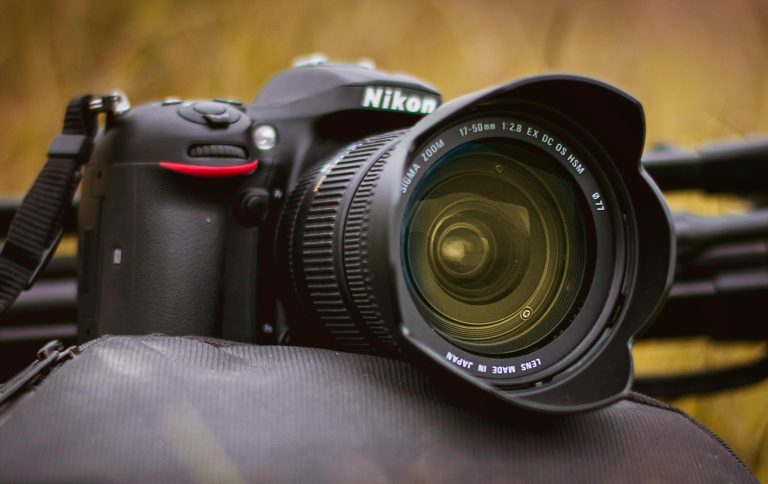
1. The Jungle Challenge: Low Light & Close Encounters
Deep in primary rainforests like Kibale or Bwindi, the thick, multi-layered canopy acts as a giant softbox, cutting out up to 80% of natural sunlight. Primate tracking rules strictly forbid flash photography to avoid startling the animals, meaning your gear must handle low-light conditions efficiently.
Gear Recommendations for the Jungle:
- The Camera Body: A mirrorless or DSLR camera body with exceptional high-ISO capabilities is crucial. You will regularly find yourself shooting at ISO 3200 or 6400 to keep your shutter speed fast enough to freeze moving chimpanzees or gorillas.
- The Prime Lens Advantage: A fast telephoto lens with a wide aperture—such as a 300mm f/2.8 or a 70-200mm f/2.8 zoom—is the gold standard here. The wide f/2.8 opening lets in maximum light, keeping your shutter speeds fast and creating a beautiful, soft blur that separates the primate from the distracting background clutter of leaves and vines.
- The Lightweight Zoom Alternative: If a large prime lens is too heavy for a long mountain trek, a 70-300mm f/4-5.6 lens is a versatile, compact option. However, keep in mind you will need to lean heavily on your camera’s high-ISO performance to compensate for the narrower variable aperture.
2. The Savannah Challenge: Extreme Distance & Harsh Dust
Stepping onto the open plains of Murchison Falls or Kidepo Valley National Park reverses your photographic conditions entirely. Light is abundant, but your subjects—such as leopards, herds of elephants, or rare birds—are often hundreds of meters away, requiring massive focal reach.
Long telephoto focal lengths are essential for safely capturing distant savannah wildlife.. Source: Uganda Rwanda Safari Vacations
Gear Recommendations for the Savannah:
- The Telephoto Zoom Lens: This is where super-telephoto reach becomes non-negotiable. Lenses like a 100-400mm, 150-600mm, or a 200-500mm give you the flexibility to frame wide contextual landscape shots and zoom in close for intimate wildlife portraits from the safety of your open-roof safari vehicle.
- A Second Camera Body: The savannah is incredibly dusty. Swapping lenses in an open vehicle exposes your camera sensor to fine grit, leading to permanent dust spots on your images. Carrying two bodies—one paired with a wide-to-medium zoom (like a 24-105mm) and the other dedicated to your super-telephoto lens—is the best way to safeguard your gear.
3. Crucial Protective Accessories
Nature photography requires durable support gear. Don’t leave for the field without these essential protective items:
- Weather and Rain Covers: Equatorial storms appear out of nowhere. A dedicated, form-fitting silicone or nylon rain sleeve for your camera and long lens ensures you can keep shooting safely through intense jungle downpours.
- A Reliable Lens Cleaning Kit: Constant humidity in the forest causes condensation, while game drives kick up large clouds of fine dust. Keep a high-quality microfiber cloth, a lens blower, and specialized cleaning solution in your daypack at all times.
- A Sturdy Beanbag Support: Tripods are bulky and impractical inside a safari vehicle. A simple canvas beanbag rested on the vehicle’s open roof or window frame offers an exceptionally stable, vibration-free platform for sharp, low-shutter-speed shots.
Capture Your Masterpieces with the Experts
Investing in premium optics is only half the battle; getting into the perfect position requires local expertise. The professional guides at active Uganda safaris understand the needs of photographers. They expertly maneuver custom 4×4 safari vehicles to optimize your angles relative to the morning sun, schedule early departures to capture the best lighting conditions, and coordinate closely with park rangers to ensure you are perfectly positioned to capture the raw beauty of East Africa safely and responsibly.