
Save Leopards Uganda: Why Every Leopard Tracking Safari in Uganda Matters
But behind this veil of mysterious perfection lies a fragile reality. Leopards are facing a silent, devastating crisis across the African continent.
If we do not act with absolute urgency, these secretive predators could vanish from our wilderness areas entirely. Let’s look at why we must work together to save leopards, what it takes to protect them, and how your next leopard tracking safari can directly ensure their survival in the wild heart of Uganda.
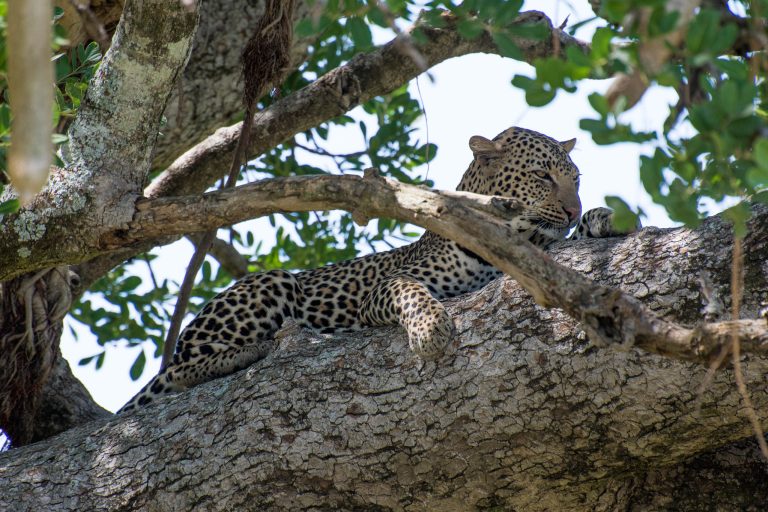
tex
Unlike lions, who live in loud, highly visible prides, leopards are intensely solitary. Because they don’t make their presence obvious, their steep population declines often go unnoticed by the general public.
To save leopards Uganda, conservationists are fighting against a wave of modern threats:
- Human-Wildlife Conflict: As human settlements expand along the borders of protected national parks, natural hunting grounds shrink. When a desperate leopard preys on local livestock, it is frequently met with retaliatory poisonings or shootings by local pastoralists.
- The Illegal Bushmeat Snare Crisis: While leopards are rarely the primary targets of poachers, thousands of deadly wire snares are set in the thick bush to catch antelopes. A passing leopard can easily step into these hidden traps, resulting in horrific, fatal injuries.
- Habitat Loss: Leopards require dense thickets, riverine forests, and large rocky outcrops to hide, hunt, and protect their vulnerable cubs. Deforestation and agricultural expansion are fragmenting these crucial corridors.
With total wild numbers dwindling, every single individual cat left in the wild is priceless. The strategy to save leopards cannot rely on theories alone—it requires direct funding, local community incentives, and continuous physical presence in the wild.
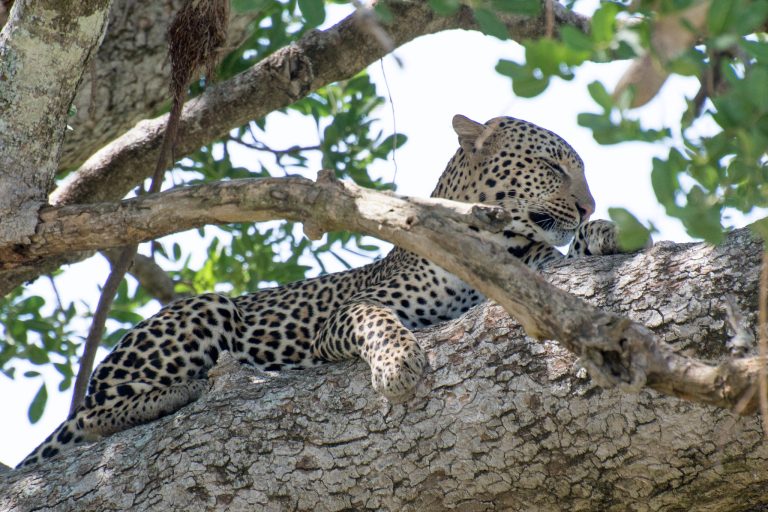
Experiential Tourism: The Leopard Tracking Safari in Uganda
If you want to move past standard tourist pathways and actively join the frontline of big cat conservation, Uganda offers a groundbreaking experience: an official leopard tracking safari.
Unlike a standard game drive where you simply drive around hoping for a lucky glance into the bushes, an experiential tracking safari joins you with expert carnivore researchers from the Uganda Carnivore Program (UCP).
How It Works: Stepping into the Researcher’s Shoes
Conducted primarily in the scenic northern plains of Queen Elizabeth National Park, this intensive excursion lets you participate directly in real-world wildlife monitoring.
1.Pre-Dawn Briefing:5:30 AM.
Meet your research guide at dawn. You will learn how to operate specialized telemetry tracking equipment, which picks up signals from a few safely collared resident leopards within the park.
2.Off-Track Navigation:6:00 AM – 9:00 AM.
With special research clearance, your safari vehicle is permitted to leave the standard tourist tracks. You will navigate deep into the bush, listening to the directional beeps of the radio antenna and scanning the branches of ancient fig trees.
3.Behavioral Data Collection:In the Field.
Once the leopard is located, you don’t just take photos—you record vital scientific data. You will note its physical condition, territorial markings (like scratch marks on trees or scent sprays), and document any interactions with nearby prey or competitors like hyenas.
Where the Wilderness Still Rules: Uganda’s Premier Leopard Hotspots
While experiential radio-tracking is exclusive to Queen Elizabeth National Park, your standard savanna game drives across Uganda can yield magnificent, jaw-dropping leopard encounters if you know exactly where to look.
| National Park | Leopard Habitats & Tracking Strategy |
|---|---|
| Queen Elizabeth National Park |
Key Habitats: Kasenyi Plains, Mweya Peninsula, Ishasha Sector Strategy: Sunrise experiential tracking & late evening drives around large fig trees. |
| Murchison Falls National Park |
Key Habitats: Pakuba Track, Buligi Elephant Corridor, Nyamsika Gorge Strategy: Early morning drives through the Borassus palm forests and riverine thickets. |
| Lake Mburo National Park |
Key Habitats: Warukuri Track, Rwonyo Thickets Strategy: Spotlight Night Game Drives—the absolute best way to see them hunting in the dark. |
| Kidepo Valley National Park |
Key Habitats: Narus Valley, rocky kopjes (outcrops) Strategy: Scanning the isolated rocky hills and dry riverbeds in Africa's most remote park. |
Your Presence is Their Shield: How Your Safari Saves Lives
Here is the most beautiful, empowering truth about African travel: every single leopard tracking safari you book is a direct act of conservation.
When you choose an ethical tour company like Active Uganda Safaris, your trip funding acts as a direct shield for these big cats.
1. Funding Ranger Patrols and Snare Sweeps
A significant portion of your park permit fees goes directly toward financing anti-poaching units. These dedicated rangers spend weeks in the deep bush, locating and removing thousands of deadly wire snares before a leopard can step into them. Your travel literally finances the tools, boots, and fuel these rangers need to protect the ecosystem.
2. Transforming Communities from Threats to Guardians
Through Uganda’s unique conservation framework, 20% of all national park entrance revenue is shared directly with the local communities living along the park boundaries. When a rural farmer receives funding for local schools, clean water projects, and clinics from tourism revenue, their perspective shifts completely. They no longer see a leopard as a dangerous pest to be poisoned; they see it as a priceless community asset that brings sustainable economic growth. Initiatives like the Leopard Village near Queen Elizabeth National Park allow tourists to purchase authentic crafts, providing direct income to families coexisting alongside these predators.
3. Keeping Eyes on the Savanna
The simple presence of safari vehicles behaves as a massive deterrent to illegal poachers. Poachers thrive in empty, unmonitored landscapes. By filling the tracks with conscious travelers and passionate guides, we create a continuous web of security that keeps illegal activity out of the parks.
Answer the Call of the Wild with Active Uganda Safaris
The wild leopards of Uganda do not need our pity—they need our active protection.
At Active Uganda Safaris, we design bespoke, unforgettable itineraries that seamlessly weave jaw-dropping wildlife encounters with responsible, high-impact eco-tourism. When you travel with us, you are paired with top-tier local naturalist guides, stay in eco-conscious wilderness lodges, and support verified conservation programs on the ground.
Don’t just take a vacation. Take a stand for Africa’s most magnificent big cat.