
What Languages Are Spoken in Uganda?
Planning a safari to East Africa often comes with a flurry of practical questions. You have likely mapped out your itinerary to trek with wild mountain gorillas in Bwindi Impenetrable National Park, tracked tree-climbing lions in Queen Elizabeth National Park, or reserved your spot for a boat launch along the Nile River in Murchison Falls. Yet, one fundamental question frequently lingers in the minds of first-time travelers: What languages are spoken in Uganda, and how easily will I be able to communicate once I land?
Uganda is widely recognized as one of the most linguistically diverse countries on the planet, boasting over 40 distinct indigenous languages. However, despite this vast array of regional tongues, Uganda is also one of the most proficient English-speaking nations in Africa.
At Active Uganda Safaris, we believe that understanding the local linguistic landscape enriches your safari experience immensely. Here is your definitive deep-dive into the languages of Uganda, why English will surprise you, and how local dialects shape the vibrant culture of the "Pearl of Africa."
1. The Surprising Reality: English in Uganda
If you are worried about language barriers impacting your safety, transfers, lodge check-ins, or wildlife tours, you can set those fears aside immediately.
Why the High English Proficiency Will Shock You
Many international travelers expect to rely heavily on translation apps or struggle through basic interactions when arriving in Sub-Saharan Africa. In Uganda, the exact opposite occurs. According to global language index surveys and regional educational studies, Uganda consistently ranks among the top English-speaking countries on the African continent.
English is an official national language of Uganda and serves as the primary medium of instruction across all primary, secondary, and tertiary educational institutions. From the moment you clear customs at Entebbe International Airport (EBB) to the moment you chat with your safari guide in the depths of Kibale Forest, you will find fluent, expressive, and clear English spoken everywhere.
- In the Hospitality Sector: Every lodge staff member, airport transfer driver, park ranger, and safari guide speaks fluent English.
- In Everyday Life: Road signs, menus, official park guidelines, newspapers, radio broadcasts, and commercial signage across Kampala and major towns are written and communicated in English.
- Ugandan English ("Uglish"): As you travel, you will discover that Ugandans speak a crisp, polite, and distinct variant of British English infused with local warmth and unique regional idioms.
Whether you are negotiating for handmade crafts at an artisanal market or discussing bird species with your Active Uganda Safaris guide, English will comfortably carry you through 99% of your journey.
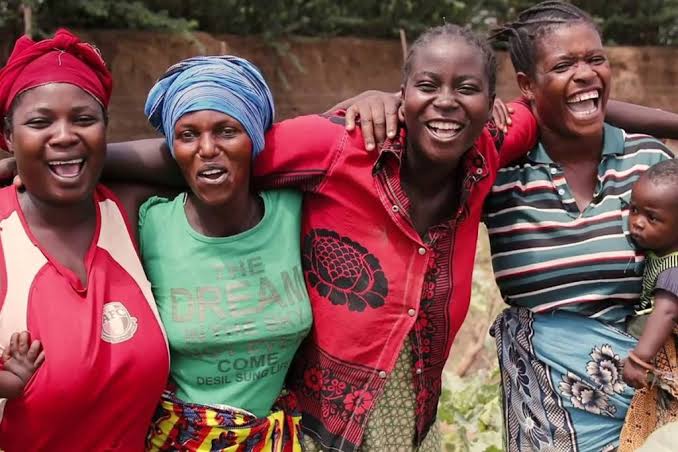
2. The Native Linguistic Tapestry: Over 40 Local Languages
While English serves as the nation's unifying administrative language, Uganda’s cultural soul lies in its rich indigenous tongues. The country’s ethnic and linguistic framework is broadly divided into two major language families: Bantu (spoken predominantly in the Central, Western, and Southern regions) and Nilotic / Central Sudanic (spoken primarily in the Northern and Eastern regions).
A. The Bantu Language Group (Central, South, and West)
The Bantu-speaking peoples make up the majority of Uganda's population. If your safari takes you through Kampala, Queen Elizabeth, Lake Mburo, Bwindi Impenetrable, or Kibale National Parks, you will be traveling through Bantu-speaking heartlands.
1. Luganda
- Where it’s spoken: Buganda region (Central Uganda, including Kampala, Entebbe, and Jinja).
- Importance: The most widely spoken indigenous language. As Kampala is the commercial and political hub, Luganda acts as a lingua franca for trade, music, and daily interactions.
2. Runyakitara
Runyankole, Rukiga, Runyoro, Rutoro
- Where it’s spoken: Western and Southwestern Uganda.
- Context: Hear Rukiga near Bwindi & Mgahinga gorilla habitats; Rutoro near Kibale & Fort Portal; and Runyankole near Lake Mburo & Mbarara. These form a mutually intelligible language cluster.
3. Lugisu (Lumasaba)
- Where it’s spoken: Eastern Uganda around Mount Elgon and Mbale.
- Context: Famous for the cultural Imbalu circumcision ceremonies and coffee farming tours along the slopes of Mt. Elgon.
B. The Nilotic and Central Sudanic Groups (North and East)
If your itinerary takes you north toward Murchison Falls National Park, Kidepo Valley National Park, or the wild landscapes of Karamoja, the linguistic landscape shifts dramatically from Bantu to Nilotic and Sudanic tongues.
1. Ateso & Karamojong
- Where it’s spoken: Eastern and Northeastern Uganda (Teso and Karamoja sub-regions).
- Context: Interacting with traditional pastoralist Karamojong communities near Kidepo Valley offers an extraordinary window into Nilotic traditions.
2. Acholi and Lango
- Where it’s spoken: North-Central Uganda (Gulu, Kitgum, Lira).
- Context: Spoken in regions bordering northern wildlife reserves and near the Victoria Nile routes.
3. Lugbara and Madi
- Where it’s spoken: West Nile sub-region (Northwestern Uganda).
3. What About Swahili in Uganda?
A common misconception among international travelers is that Kiswahili (Swahili) is as widely used in daily conversation in Uganda as it is in neighboring Kenya or Tanzania.
- Official Status: Recognized as the second official national language of Uganda and widely used across East Africa to foster regional integration.
- Where You Will Hear It: Extensively used by security personnel, border officials, regional traders, and cross-border transport operators.
- Daily Use: Rarely spoken as a primary mother tongue in households outside border towns, though basic phrases are universally understood. Learning a few greetings is always appreciated!
4. Useful Local Phrases for Your Uganda Safari
Throwing out a local greeting brings instant smiles and warm hospitality from community hosts. Here are essential phrases to tuck into your pocket:
Essential Luganda Phrases
Essential Swahili Phrases
Why Choose Active Uganda Safaris for Your Trip?
Navigating a new country—its roads, national parks, custom clearances, and vibrant cultures—is effortless when guided by local experts. At Active Uganda Safaris, we take immense pride in delivering immersive, seamless, and deeply authentic African adventures.
Expert Native Guides
Fluent in English, Swahili, and local dialects. They don't just drive; they bridge the gap between you and local communities.
Tailor-Made Itineraries
From gorilla trekking in Bwindi to game drives in Murchison Falls, we craft journeys personalized to your travel goals.
Unmatched Hospitality
We handle permits, 4x4 transport, accommodations, and community visits so you can enjoy the Pearl of Africa stress-free.
Ready to Experience Uganda Firsthand?
Don't let language hesitation hold you back from the trip of a lifetime. Experience the unmatched warmth, incredible biodiversity, and effortless communication that Uganda has to offer.
Official Website
Explore itineraries & travel guides at
www.activeugandasafaris.com
Start Planning Today
Reach out to our safari specialists to customize your tailored primate trek or wildlife safari today!