
What is the Largest Land Animal? The Giants of the Past and Present
When we look out across the natural world, size commands respect. From massive marine mammals to prehistoric giants, our planet has a long history of producing megafauna. But if we restrict our view strictly to solid ground, a common question arises: What is the largest land animal?
To answer this completely, we have to look at both the incredible creatures walking the earth right now and the massive titans that dominated our ancient history.
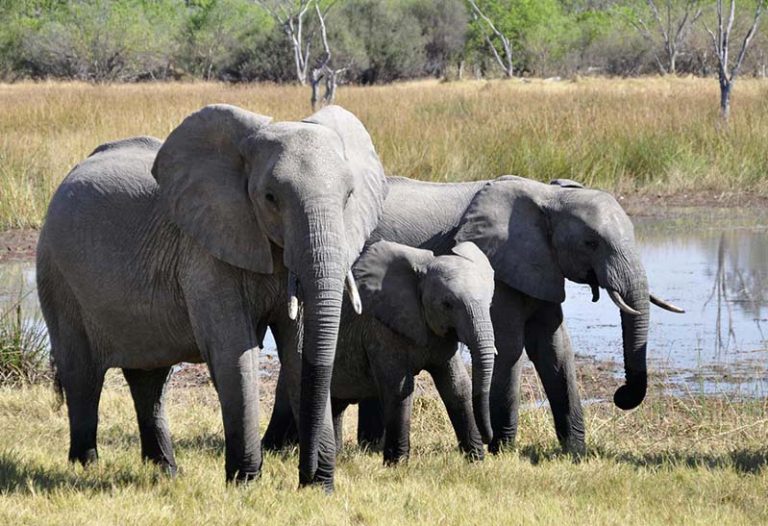
What is the Largest Land Animal in the World Today?
The undisputed crown for the largest land animal in the world belongs to the magnificent African bush elephant (Loxodonta africana).
These terrestrial titans are marvels of evolutionary engineering. An adult male bull can stand up to 4 meters (13 feet) tall at the shoulder, stretch over 7 meters in length, and weigh an astonishing 6 to 10.4 metric tonnes (up to 23,000 pounds). To put that into perspective, a single adult male weighs roughly the same as seven standard pickup trucks. Every single day, a mature individual must consume up to 300 pounds of grass, bark, and foliage just to sustain its massive body mass.
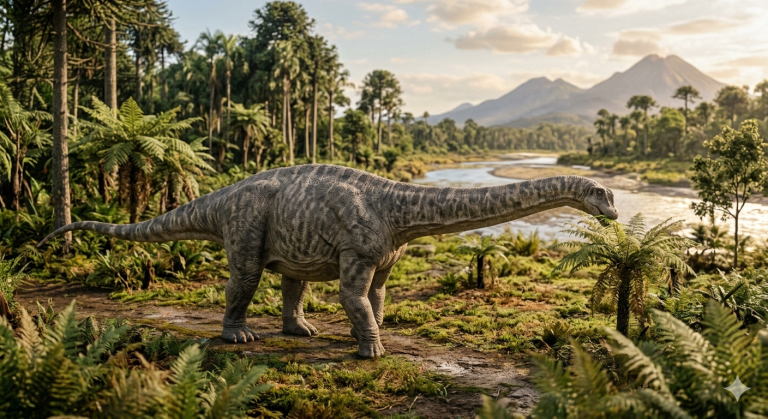
What is the Largest Land Animal Ever to Walk the Earth?
While the modern elephant is massive, it looks modest when compared to the prehistoric rulers of the past. If you look back millions of years to discover what was the largest land animal ever, you have to venture into the Mesozoic era.
The largest land animals ever to exist were the Sauropods—long-necked, plant-eating dinosaurs. Among them, the Argentinosaurus is widely considered the heaviest, with paleontologists estimating its weight at a staggering 70 to 90 metric tonnes (roughly the weight of an entire herd of modern elephants).
Following the extinction of the dinosaurs, the title for the largest extinct mammal went to the Palaeoloxodon namadicus (an ancient straight-tusked elephant relative) and Paraceratherium (a hornless rhinoceros relative), which weighed up to 17 to 22 tonnes.
Top 10 Largest Land Animals Alive Today (By Weight)
While the oceans hold the ultimate heavyweight champion of the world (the Blue Whale, weighing up to 190 tonnes), the dry land still hosts an impressive array of giants. Based on average maximum adult mass, here are the Top 10 largest land animals currently walking the planet:
| Animal & Weight | Primary Habitat |
|---|---|
| 1. African Bush Elephant Maximum Weight: 10.4 Metric Tonnes |
Sub-Saharan African Savannas |
| 2. Asian Elephant Maximum Weight: 8.0 Metric Tonnes |
South & Southeast Asian Forests |
| 3. African Forest Elephant Maximum Weight: 6.0 Metric Tonnes |
Central African Rainforests |
| 4. White Rhinoceros Maximum Weight: 4.5 Metric Tonnes |
African Grasslands & Savannas |
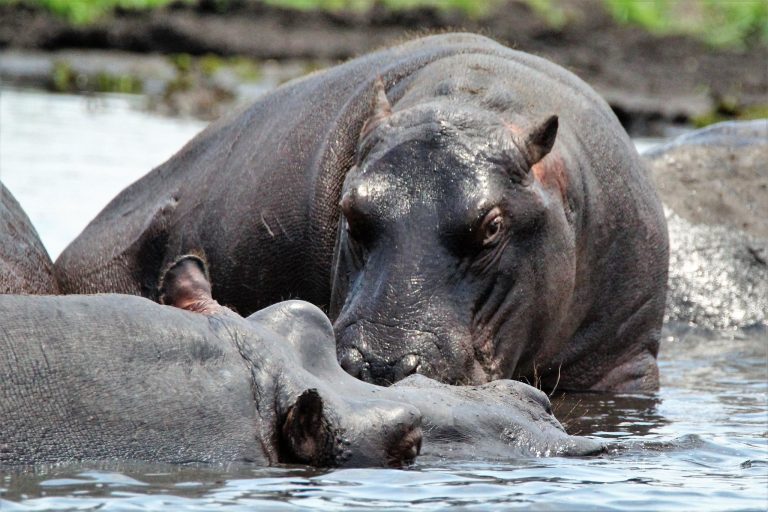
| 5. Hippopotamus Maximum Weight: 4.5 Metric Tonnes |
African Rivers & Lakes |
| 6. Indian Rhinoceros Maximum Weight: 4.0 Metric Tonnes |
Asian Swamps & Grasslands |
| 7. Black Rhinoceros Maximum Weight: 2.9 Metric Tonnes |
East & Southern African Bushlands |
| 8. Javan Rhinoceros Maximum Weight: 2.3 Metric Tonnes |
Indonesian Rainforests (Highly Endangered) |
| 9. Giraffe (Tallest Land Animal) Maximum Weight: 2.0 Metric Tonnes |
African Woodlands & Savannas |
| 10. Gaur (Indian Bison) Maximum Weight: 1.5 Metric Tonnes |
South Asian Forests |
Meet the True King of Weight: See the African Bush Elephant in Uganda
Reading statistics on a screen cannot prepare you for the actual physical sensation of standing near a living mountain. The way the ground subtly vibrates beneath your feet, the deep, low-frequency rumble that resonates in your chest, and the sheer shadow cast by a multi-tonne bull are experiences that text cannot convey.
At Active Uganda Safaris, we invite you to move beyond the computer screen and step directly into the wilderness of Queen Elizabeth National Park for close, almost intimate encounters with these magnificent creatures.
Why Queen Elizabeth National Park Offers the Ultimate Elephant Encounter
The unique, sweeping savannah landscapes of Queen Elizabeth National Park, framed by the majestic Rwenzori Mountains, provide a perfect back drop for tracking the African bush elephant.
Because of the rich volcanic soils and abundant water systems connecting Lake Edward and Lake George, the park supports thousands of thriving elephants. Our custom-designed 4×4 open-roof safari vehicles allow our expert guides to position you safely along known migratory paths and watering holes.
Imagine sitting quietly in your vehicle as a calm, wild elephant herd passes close enough for you to hear the sound of them pulling grass from the earth. Watch mothers gently guide their newborn calves, and see massive, older bulls displaying their incredible tusks just meters away. This is not a distant glimpse through binoculars—it is a raw, real, and unforgettable face-to-face connection with the largest living land animal on Earth.
3-Day Queen Elizabeth National Park “Giants & Predators” Safari
This fast-paced, high-impact itinerary is designed to give you face-to-face encounters with the largest living land animal—the African Bush Elephant—while surrounding you with the richest biodiversity Uganda has to offer. Prepare to explore savannah plains, volcanic crater lakes, and ancient rivers teeming with wildlife.
Day 1: The Scenic Drive to the Savannah & Sunset Crater Explosion Drive
Your journey begins with an early morning departure from Kampala or Entebbe. Watch the landscape transform as you head west, crossing the equator and driving past the dramatic silhouettes of the Rwenzori Mountains.
Arrive at the park in time for a fresh lunch at your lodge. In the late afternoon, embark on your first game drive along the breathtaking Katwe Crater Explosion scenic route. This area features a cluster of ancient volcanic craters and offers stunning panoramic views. It is a vital migratory corridor where massive bulls and family herds of African bush elephants routinely move through the dense thickets.
- Overnight: Premium Safari Lodge overlooking the plains
- Meals: Lunch, Dinner
Day 2: Morning Savannah Patrol & The Famous Kazinga Channel Boat Cruise
Set your alarm early for a sunrise game drive along the Kasenyi tracks. Morning is prime time to find elephants actively grazing when the air is still cool. As you scan the golden grasslands, keep an eye out for large herds of African cape buffalos—these massive, tank-like creatures roam the plains in numbers that will leave you breathless.
In the afternoon, experience the true highlight of Queen Elizabeth National Park: a private boat cruise along the Kazinga Channel. This natural 32-kilometer waterway connects Lake Edward and Lake George, creating one of the highest concentrations of mega-herbivores in the world. From the safety of the boat, you will cruise within meters of:
- Massive pods of hippopotamuses cooling off in the shallow waters.
- Enormous Nile crocodiles basking lazily on the muddy riverbanks.
- Entire families of elephants wading into the water to drink, bathe, and play.
- Overnight: Premium Safari Lodge
- Meals: Breakfast, Lunch, Dinner
Day 3: Tracking the Rare Tree-Climbing Lions of Ishasha
After a hearty breakfast, pack your bags and drive south toward the remote Ishasha Sector of the park. Ishasha is world-famous for a highly unusual wildlife phenomenon: its resident lions spend their days lounging high up in the branches of old fig trees.
As you navigate the tracks, keep your eyes trained upward. If luck is on your side, you will witness the surreal sight of the tree-climbing lions draped over thick branches, sleeping off their night hunts while escaping the heat of the ground. This provides a spectacular, memory-making finale to your journey before you begin your return drive back to Kampala.
- Meals: Breakfast, Lunch
Frequently Asked Questions (FAQ)
What is the main difference between the African Bush Elephant and Forest Elephant?
The African bush elephant is significantly larger, has more triangular ears, and possesses curved tusks. The African forest elephant is smaller, darker, and has straight, downward-pointing tusks adapted for moving through dense jungle foliage.
Are elephants dangerous to encounter on a safari?
When respected and given proper space, elephants are incredibly peaceful, highly intelligent social animals. Our professional guides are expertly trained to read elephant body language, ensuring all close encounters remain completely safe, respectful, and stress-free for both you and the herd.