Why Uganda Is Africa’s Best Safari Destination in 2026
As global travel trends shift toward slower, more meaningful, and uncrowded wildlife encounters, the international safari spotlight has turned firmly toward East Africa. While traditional giants of mass tourism face growing issues with vehicle congestion and over-commercialization, one destination stands out for its raw authenticity, incredible biodiversity, and exceptional value.
If you are planning an African expedition this year, here is a deep dive into why Uganda is Africa’s best safari destination in 2026—and how you can experience its wild heart without the crowds.
1. The Primate Capital: Unmatched Ethical Encounters
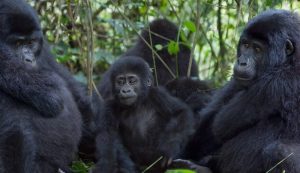
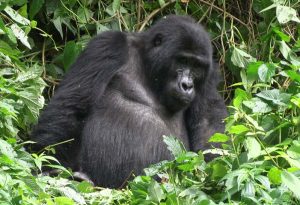
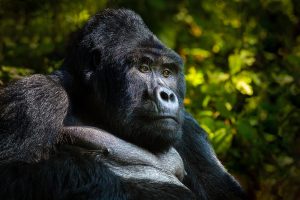
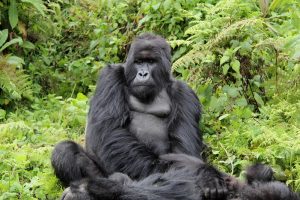
Uganda’s crowning glory remains its status as the world’s premier primate sanctuary. Protecting over half of the remaining global population of endangered mountain gorillas, the ancient, mist-shrouded ridges of Bwindi Impenetrable National Park and Mgahinga Gorilla National Park offer a profound, face-to-face wildlife experience.
In 2026, conscious travel is more critical than ever. Uganda’s strict conservation policies—including capped permit allocations and mandatory observation distances—ensure your trek supports habitat preservation and community development. Beyond gorillas, Kibale National Park hosts a recently updated census of over 6,000 chimpanzees, establishing Uganda as an unrivaled haven for primate enthusiasts seeking immersive habituation experiences.
2. Crowd-Free, Authentic Savannah Game Drives
A common complaint among modern safari-goers in other parts of East Africa is the “vehicle zoo”—where dozens of minibuses surround a single lion sighting. Uganda offers a refreshing antidote.
Parks like Murchison Falls National Park and Queen Elizabeth National Park feature expansive savannahs teeming with elephants, Cape buffaloes, leopards, and iconic tree-climbing lions, yet they receive a fraction of the vehicle traffic seen elsewhere. For those seeking true isolation, Kidepo Valley National Park in the remote northeast remains one of Africa’s last great untouched wildernesses. Sweeping across rugged horizons with massive herds of buffalo and predators, a game drive in Kidepo feels like stepping back into a bygone era of private exploration.
3. Africa’s Ultimate Birding Hotspot
With a checklist exceeding 1,060 recorded bird species packed into a country the size of Great Britain, Uganda punches far above its weight in avian diversity. The country’s unique geographical positioning at the intersection of the East African savannah, West African rainforest, and semi-desert zones creates an incredible matrix of habitats.
Whether floating through the narrow channels of Mabamba Swamp in search of the prehistoric, rare Shoebill Stork or exploring the Albertine Rift endemics in Bwindi, birdwatching here is world-class. It is a destination where seasoned ornithologists and casual nature lovers alike can easily spot hundreds of vibrant species within a single week.
4. Unbeatable Value Across All Travel Styles
While some neighboring destinations have repositioned themselves exclusively for ultra-luxury travelers, Uganda remains remarkably accessible without compromising the quality of the experience. The country’s tourism infrastructure accommodates a complete spectrum of budgets:
- High-End Expeditions: Fly-in aero-safaris bypass long drives, connecting travelers directly to award-winning boutique lodges perched on forest rims.
- Affordable Mid-Range & Budget Tours: Well-maintained 4×4 safari vehicles and comfortable, eco-friendly mid-range camps allow families and solo adventurers to experience the Big Five and primate tracking at a fraction of the regional cost.
5. Seamless Logistics and Multi-Country Flexibility
Navigating East Africa has never been more straightforward. For travelers looking to combine Uganda’s lush forests with the classic wildebeest migrations of Kenya or the volcanoes of Rwanda, the East African Tourist Visa provides a single, cost-effective, 90-day multi-entry travel document. With streamlined e-visa systems and a stable, welcoming domestic environment, the logistics of planning an extended itinerary are seamless.