
Do Animals Feel Emotions? Emotions Africa's Iconic Big Five & Primates
For centuries, classical science viewed animals through a mechanical lens. Proponents of strict behaviorism argued that non-human creatures were driven solely by hardwired instincts, basic stimuli, and survival reflexes. However, anyone who has stood in the presence of a mountain gorilla family in the misty depths of the Albertine Rift or witnessed a herd of elephants surrounding a fallen matriarch knows that this reductionist view is fundamentally flawed.
Modern ethology, neurobiology, and cognitive science have shattered the myth of animal stoicism. Mammals share the same ancient limbic brain structures responsible for processing feelings in humans, including the amygdala and hippocampus. Neurochemicals like oxytocin (the bonding hormone), dopamine (the pleasure pathway), and cortisol (the stress marker) surge through their systems just as they do through ours. Animals do not merely survive; they experience rich, complex emotional landscapes filled with joy, grief, profound empathy, debilitating fear, and enduring love.
Understanding these emotional lives transforms an ordinary African safari from a passive sightseeing trip into a deeply moving, empathetic encounter. By observing the distinct behavioral expressions of Africa’s iconic wildlife, we bridge the gap between species and reconnect with the natural world on a profound level.
The Emotional Worlds of Africa’s Most Iconic Wildlife
1. The Pride and Passion of the Lion (Panthera leo)
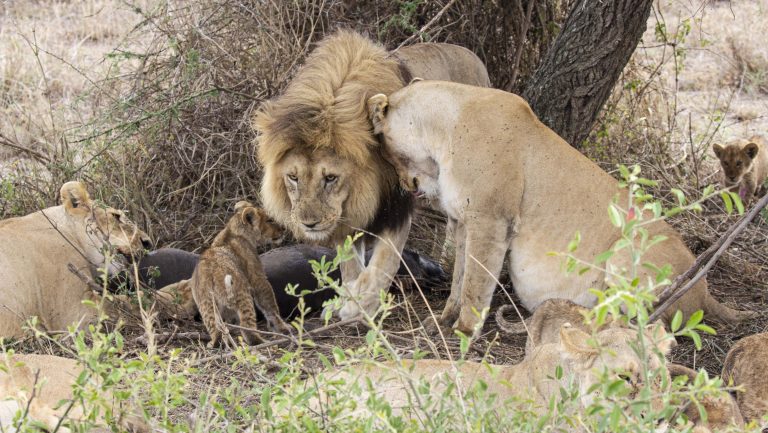
Lions are the only truly social felids, and their survival relies entirely on the emotional cohesion of the pride. The bonds between pride members are forged and maintained through intricate emotional displays. When lions reunite after a separation, they engage in intense greeting rituals—rubbing heads, licking each other’s faces, and purring softly. These behaviors are not mechanical; they release oxytocin, reinforcing their communal connection and sense of belonging.
Lions also display unmistakable signs of affection and parental devotion. A lioness protects her cubs with a fierce, self-sacrificing love, often nursing the offspring of her sisters to ensure the pride’s collective survival. Conversely, the emotional trauma within a pride is tangible when a pride member is lost or when dominant males are overthrown. The remaining lions exhibit visible depression, pacing their territory and emitting low, mournful contact calls that speak directly to their sense of loss and disorientation.
2. The Calculated Vulnerability of the Leopard (Panthera pardus)
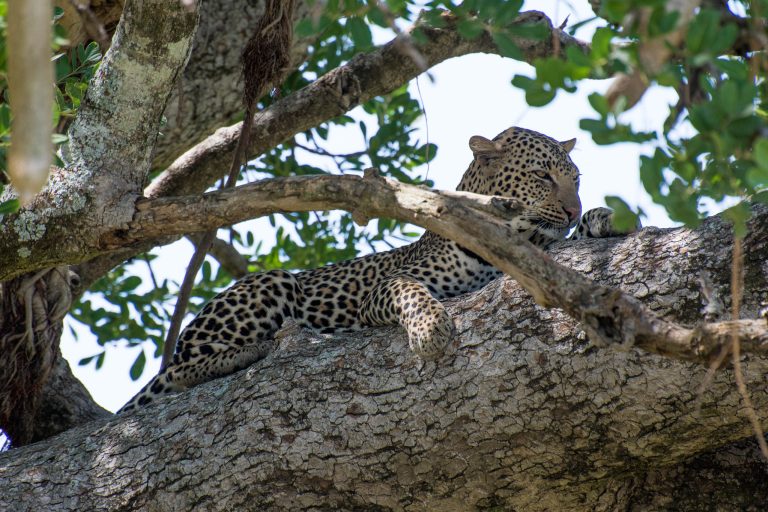
Unlike the highly social lion, the leopard leads a solitary life, causing many to misinterpret its behavior as cold or unfeeling. In reality, the leopard’s emotional life is defined by intense focus, calculated caution, and a deep, localized attachment to its territory. The solitary nature of the leopard requires it to process fear and stress entirely on its own, making it one of the most emotionally resilient yet highly strung predators in the wild.
The absolute pinnacle of a leopard’s emotional expression is seen in the bond between a mother and her cubs. For up to two years, a female leopard displays extraordinary patience, tenderness, and protective anxiety. She plays gently with her cubs to teach them essential survival skills and shows clear signs of distress and frantic searching if a cub goes missing. When the time comes for the sub-adults to separate and find their own territories, field guides often observe a period of visible emotional tension and hesitation from both mother and offspring, underscoring the deep impact of breaking that developmental bond.
3. The Grand Masters of Empathy: The African Elephant (Loxodonta africana)
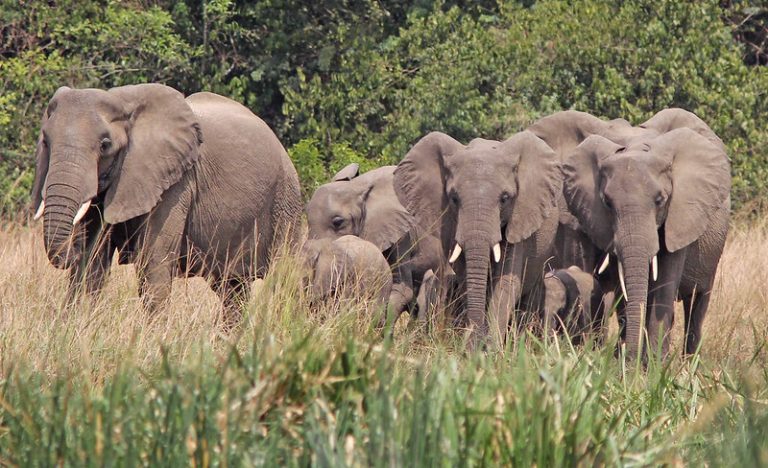
If there is any animal that rivals—and perhaps surpasses—human beings in the capacity for raw empathy and grief, it is the African elephant. Guided by an aging matriarch, elephant herds operate within a sophisticated, matriarchal social structure built entirely on emotional intelligence and shared memory.
Elephants possess a highly developed neocortex, allowing them to experience an extensive range of emotions. Their capacity for grief is legendary. When a herd member dies, the entire family halts, standing in silent vigil around the carcass. They gently touch the bones with their trunks and feet, occasionally shedding moisture from their temporal glands—a phenomenon widely recognized as crying. They have been observed burying their dead under branches and dirt, and herds returning to the site years later will pause to touch the remaining bones in a ritualistic display of remembrance.
Beyond grief, elephants celebrate births with explosive displays of collective joy, trumpeting loudly and flapping their ears. Their capacity for altruism extends even beyond their own species, with documented instances of elephants assisting other injured animals, proving that their emotional world is rooted in deep compassion.
4. The Misunderstood Defensiveness of the Black and White Rhino
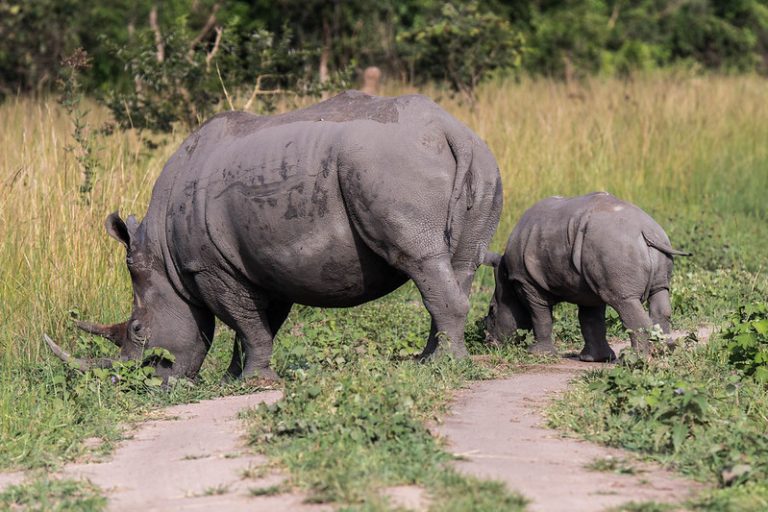
Rhinos are frequently depicted as prehistoric, short-tempered tanks that charge blindly at any perceived threat. This aggressive facade, however, is a direct manifestation of fear and profound vulnerability. Possessing notoriously poor eyesight but an incredibly acute sense of hearing and smell, the rhino’s default emotional state in unfamiliar situations is high anxiety.
When comfortable in their environment, rhinos display a surprisingly gentle, playful side. White rhinos, which are more social than their black counterparts, form small groups called “crashes.” Within these groups, young sub-adults engage in spirited jousting matches, nuzzling each other and emitting high-pitched squeaks and squeals that signal contentment and playfulness. The bond between a rhino mother and her calf is fiercely close; a calf will stay pressed against its mother’s side for up to three years, drawing emotional security from her constant, grounding presence.
The Stoic Loyalty of the African Buffalo (Syncerus caffer)

The African buffalo is widely regarded as one of the most dangerous animals on the continent, earning its place in the Big Five due to its unpredictable nature when wounded. Yet, within the safety of the herd, the buffalo reveals an intense, democratic loyalty and a collective emotional consciousness focused on mutual protection.
Buffalo herds exhibit a remarkable phenomenon known as “voting” behavior, where adult females lie down in the direction they believe the herd should travel, demonstrating a highly coordinated form of communal consensus. Their emotional bonds are most apparent when a herd member is threatened by predators. If a calf or an adult buffalo emits a distress cry while under attack by lions, the entire herd will instantly mobilize. Driven by collective protective rage and empathy, they will wheel around and charge the predators as a unified wall, risking their lives to rescue their own.
The Gentle Giants: The Mountain Gorilla (Gorilla beringei beringei)
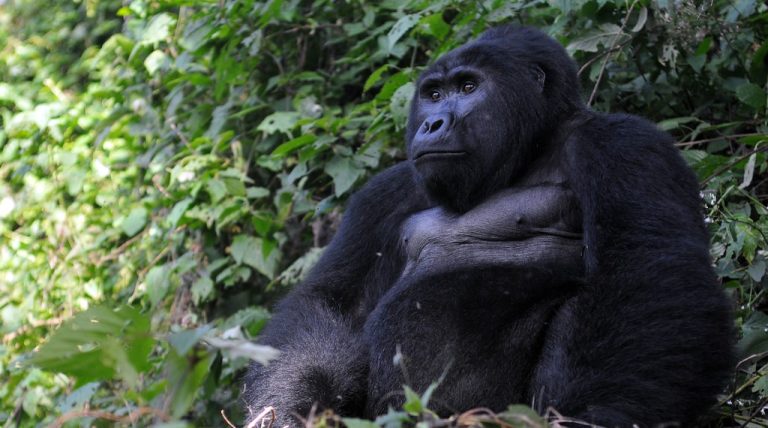
DNA alignment reveals that humans share approximately 98% of their genetic makeup with mountain gorillas, a biological reality that becomes instantly undeniable the moment you look into their warm, expressive eyes. Living in tight-knit family groups led by a dominant silverback, gorillas possess an emotional vocabulary that mirrors our own with startling accuracy.
Gorillas experience deep sorrow, anxiety, joy, and humor. Playfulness is a cornerstone of daily life for juveniles, who spend hours somersaulting, wrestling, and playing tag under the watchful, indulgent eye of the silverback. The tenderness displayed by a mother gorilla toward her infant—cradling the baby in her arms, grooming it gently, and tickling it until it emits a soft, chuckling sound—is universally relatable.
When a dominant silverback dies, the entire family unit suffers an immense emotional crisis. The group dynamic fractures, and members display clear signs of profound depression: they stop eating, cease grooming, and sit in slumped, despondent postures, mourning the loss of their leader and protector.
The Dynamic Minds of the Canopy: Chimpanzees (Pan troglodytes)
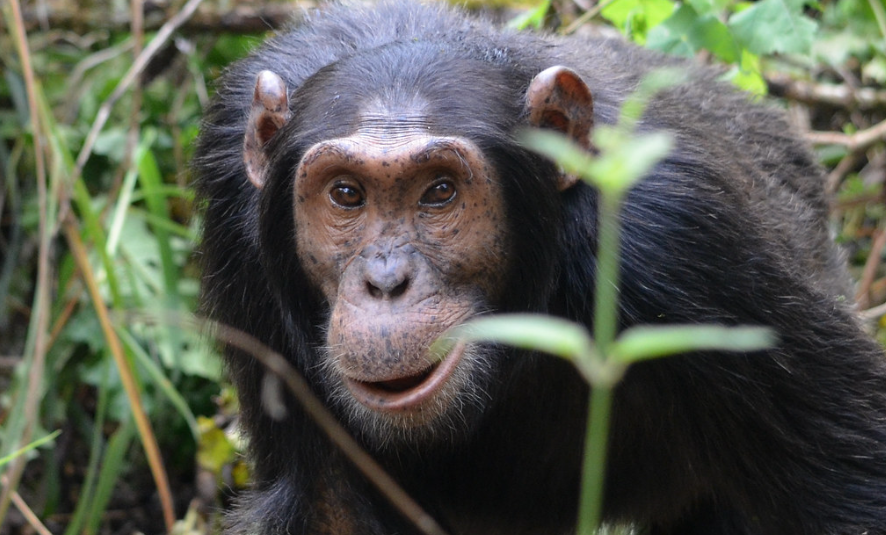
To fully understand the spectrum of primate emotion, one must look up into the forest canopy to our closest living relatives: the chimpanzees. Sharing roughly 99% of our DNA, chimpanzees operate within highly complex, politically charged fission-fusion societies where emotional intelligence is the primary currency for social advancement.
Chimpanzees possess a startlingly intense emotional range, capable of exhibiting both extreme compassion and strategic aggression. Their daily lives are anchored by the practice of social grooming, which is far more than a hygienic necessity. Grooming is an emotional peace offering that releases endorphins, lowers heart rates, and mends social rifts after conflicts.
The depth of chimpanzee empathy is vividly illustrated in their comforting behaviors. If a community member loses a fight or is injured, others will rush to hug, kiss, and pat the distressed individual, actively soothing their anxiety. Conversely, they are highly capable of jealousy, frustration, and political maneuvering, throwing dramatic temper tantrums—screaming, stamping their feet, and tearing at branches—when they do not get their way.
The maternal bond among chimpanzees is exceptionally prolonged and emotionally deep. Orphaned chimpanzees are frequently adopted by older siblings or even unrelated community members, who take on the immense emotional and physical burden of care, offering undeniable proof of their capacity for pure, unselfish altruism.
Experiencing the Wild: A Premium 5-Day Emotional Safari Itinerary
To truly appreciate these emotional beings in their natural habitats, Active Uganda Safaris has meticulously crafted an immersive 5-day itinerary. This journey takes you from the predator-rich savannas of Queen Elizabeth National Park to the ancient, misty forests of Bwindi Impenetrable National Park, offering unmatched opportunities for profound wildlife connections.
Day 1: Arrival and Transfer to Queen Elizabeth National Park
Your expedition begins with a warm welcome from your expert Active Uganda Safaris driver-guide. You will embark on a scenic drive western Uganda, passing through vibrant rural towns, sprawling tea plantations, and stunning crater lakes. Arrive at Queen Elizabeth National Park in the late afternoon, checking into your lodge overlooking the spectacular Kazinga Channel or the expansive savanna plains. Enjoy a relaxing dinner as the evening chorus of the African wild sets the stage for your adventure.
Day 2: Morning Game Drive and Kazinga Channel Boat Cruise
Rise with the dawn for an early morning game drive across the Kasenyi plains. This is prime time to observe the emotional dynamics of the wild: watch for proud lion prides returning from a night hunt, solitary leopards moving stealthily through the thickets, and large herds of Cape buffalo standing vigilantly in the morning mist.
In the afternoon, experience the legendary boat cruise along the Kazinga Channel. Here, you will find one of the world’s highest concentrations of hippos and elephants gathering at the water’s edge. Watch elephant families interact, splashing water playfully over their calves, and observe the sophisticated social behaviors that define these sentient giants.
Day 3: Chimpanzee Trekking in Kyambura Gorge & Transfer to Bwindi
After breakfast, descend into the breathtaking Kyambura Gorge, a hidden underground rainforest cut deep into the savanna floor. Known as the “Valley of Apes,” this dramatic landscape is home to a habituated community of chimpanzees. As you trek through the lush riverine forest, you will hear their exhilarating pant-hoots echoing through the canopy long before you see them. Spend an unforgettable hour observing their complex social interactions, grooming rituals, and expressive communication.
Following the trek, embark on a scenic drive southward to Bwindi Impenetrable National Park, ascending into the mist-shrouded highlands where the mountain gorillas dwell.
Day 4: The Ultimate Encounter – Gorilla Tracking in Bwindi
This is the pinnacle of your safari journey. Following an early morning briefing by Uganda Wildlife Authority (UWA) rangers, you will enter the ancient, tangled web of Bwindi’s primary rainforest. The trek can take anywhere from one to several hours, tracking through dense vegetation and steep ridges.
When you finally encounter the gorilla family, all fatigue vanishes. For one magical hour, you will sit just a few meters away from these gentle giants. You will witness firsthand the undeniable emotional intelligence of the silverback protecting his group, mothers tenderly nursing their infants, and young juveniles playing joyfully. It is an emotional, life-changing connection that blurs the line between human and animal. For travelers seeking this profound experience on an accessible budget, exploring tailored options for affordable gorilla trekking safaris Uganda ensures that this bucket-list encounter remains within reach without compromising the quality of your ground handling or guiding.
Day 5: Departure to Kampala / Entebbe
After a heartfelt breakfast overlooking the misty forest canopy, bid farewell to the highlands of Bwindi. Enjoy a smooth drive back to Kampala or Entebbe International Airport, stopping at the Equator crossing for lunch, photography, and curio shopping. You will depart with a completely transformed perspective on animal emotions, carrying memories of profound wildlife encounters that will last a lifetime.
Sustainable Tourism and the Preservation of Sentient Wildlife
Recognizing that animals possess rich emotional lives highlights our profound responsibility to protect them. High-impact tourist infrastructure, irresponsible driving during game views, and unethical tracking practices inflict severe psychological stress, fear, and anxiety on wild populations.
By booking your expedition through eco-conscious operators like Active Uganda Safaris, you directly support a model of sustainable, non-intrusive tourism. A significant portion of park entry and tracking permit fees goes directly toward funding habitat preservation, anti-poaching patrols, and community development projects surrounding Bwindi and Queen Elizabeth National Parks. When local communities benefit financially from wildlife preservation, they become the primary defenders of the ecosystem. Protecting these spaces ensures that Africa’s magnificent, emotionally complex creatures can continue to live, love, grieve, and thrive in safety and freedom.