
Which Animal is the Smartest?
The question of which animal is the smartest has captivated evolutionary biologists, animal behaviorists, and wildlife enthusiasts for centuries. When we look at the natural world, defining intelligence isn’t as simple as measuring a brain-to-body ratio or testing an animal’s ability to count. Intelligence in the animal kingdom manifests in breathtakingly diverse ways: from a chimpanzee fashioning tools in the depths of the Kibale forest, to an elephant remembering a water hole it hasn’t visited in thirty years, to an octopus solving complex mazes in the ocean depths.
To truly understand which animal is the smartest, we must look past human-centric definitions of intellect and examine how different species solve problems, communicate, express emotions, and adapt to their environments.
| Rank & Animal | Cognitive Superpower |
| 1. Chimpanzee | Advanced tool-making, 98% shared DNA with humans, complex politics |
| 2. Bottlenose Dolphin | Mirror self-recognition, complex vocal dialects, sonar coordination |
| 3. Asian/African Elephant | Unrivaled long-term memory, profound empathy, grief rituals |
| 4. Mountain Gorilla | High emotional intelligence, sign language capability, cohesive family structures |
| 5. Orangutan | High-level spatial reasoning, advanced tool use, deceptive behavior |
| 6. Eurasian Magpie | Only non-mammal to pass the mirror self-recognition test |
| 7. New Caledonian Crow | Manufactures hooks from twigs, understands causal relationships |
| 8. Veined Octopus | Short/long-term memory, uses coconut shells as portable armor |
| 9. African Grey Parrot | Abstract reasoning, understands numerical concepts and zero |
| 10. Border Collie | Extensive vocabulary retention, rapid command processing |
| 11. Pig | Excellent long-term memory, capable of playing simple video games |
| 12. Rat | Meta-cognition (knowing what they don’t know), highly empathetic |
| 13. Bonobo | High emotional intelligence, conflict resolution through socialization |
| 14. Sperm Whale | Largest brain on earth, complex cultural clans and codas |
| 15. Rhesus Macaque | Complex social ranking, simple arithmetic capabilities |
| 16. Sea Otter | Uses rocks as anvils to crack open mollusks, stores favorite tools |
| 17. Gray Wolf | High tactical intelligence, coordinated pack hunting strategies |
| 18. Baboon | Stress-management behaviors, abstract categorization skills |
| 19. Honey Badger | Ingenious escape artists, uses logs and mud to scale walls |
| 20. Squirrel | Advanced spatial memory, tactical deception to hide food stashes |
Defining Animal Intelligence: How Do We Measure the Mind?
To answer which animal is the smartest, science relies on several cognitive benchmarks rather than a single standardized test.
1. Tool Manufacture and Manipulation
For a long time, humans believed they were the only creatures capable of creating and using tools. We now know that the question of which animal is the smartest is heavily linked to how animals manipulate their physical environments. Chimpanzees strip leaves from twigs to fish for termites; crows bend wires into hooks; octopuses carry protective shells across the ocean floor.
2. Encephalization Quotient (EQ)
EQ measures the relative size of an animal’s brain compared to the expected brain mass for an animal of its tiny or massive body size. While not a perfect metric, a high EQ usually correlates with complex behavior and adaptability. Humans sit at the top, followed closely by dolphins, porpoises, and the great apes.
3. Emotional Intelligence and Empathy
True intelligence isn’t just about logic; it is also about emotion. Species that experience grief, protect wounded peers, and celebrate births show a highly evolved neural framework. Elephants and gorillas stand out as global icons of emotional depth, proving that asking which animal is the smartest requires analyzing the heart just as much as the brain.
The Great Apes: Our Closest Cognitive Relatives
Chimpanzees: The Undisputed Intellectual Heavyweights
When tracking down which animal is the smartest, the chimpanzee (Pan troglodytes) routinely claims the crown. Sharing roughly 98.7% of our DNA, chimpanzees possess working memory capabilities that occasionally outperform humans. In famous flash-memory tests conducted at Kyoto University, young chimps could remember the exact placement of numbers on a screen after a fraction of a second—a feat that left human subjects completely baffled.
Chimpanzees live in highly political, complex fission-fusion societies. They form strategic alliances, wage tactical warfare against rival communities, and hunt cooperatively. Their tool-use is cultural; communities pass down distinct traditions of stone tool-use or stick-fishing techniques across generations.
Gorillas: The Gentle, Reflective Thinkers
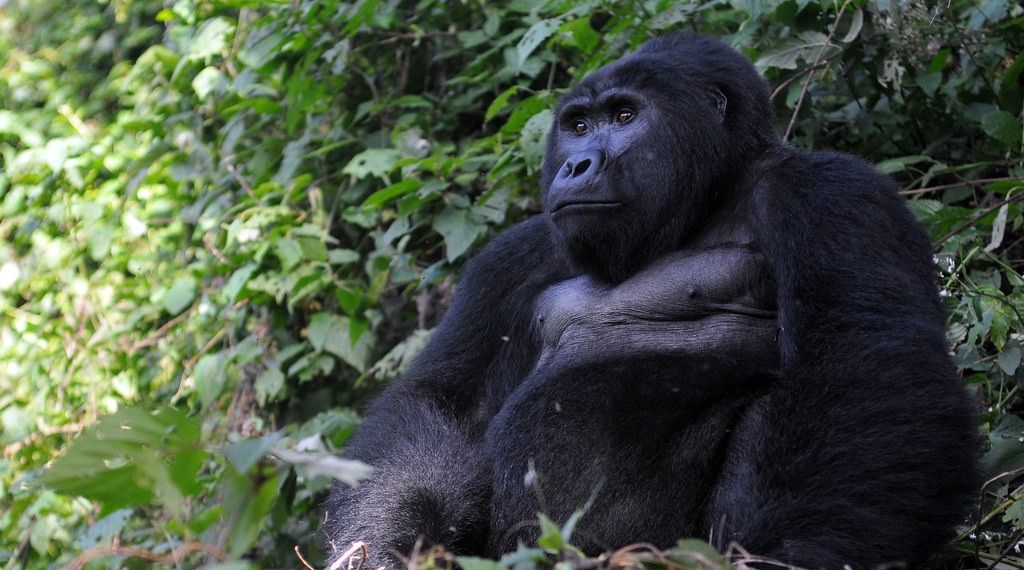
Mountain gorillas (Gorilla beringei beringei) might seem like brute forces of nature, but beneath their massive chests lies a deeply contemplative, highly intelligent mind. Gorillas excel in emotional intelligence. They form tightly bound family structures led by a dominant silverback, displaying intricate communication networks made up of unique vocalizations, chest-beats, and subtle facial expressions.
Gorillas in captivity, such as the famous Koko, have mastered modified human sign language, demonstrating an ability to express complex thoughts, abstract concepts, and deep emotional grief. In the wild, they display impressive environmental mastery, calculating the safest pathways through dense rainforests and manipulating vegetation to cross swamps safely.
Elephants: Giants of Memory and Advanced Emotion
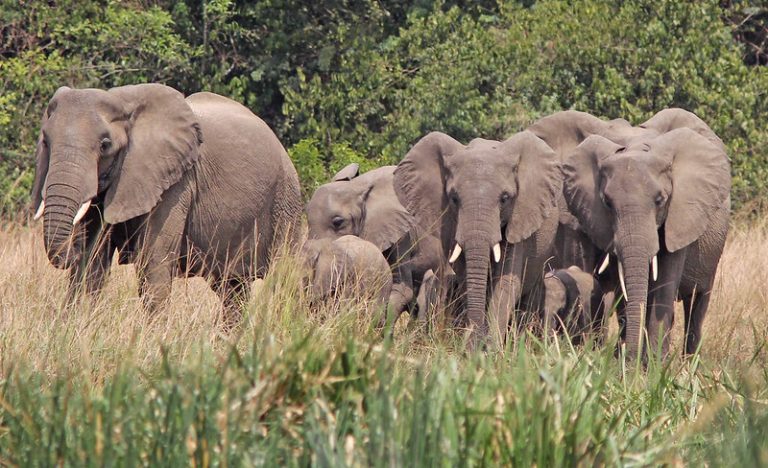
If the question which animal is the smartest shifts from quick logic puzzles to memory retention and emotional depth, elephants take the top spot. Both African and Asian elephants possess an extraordinary cerebral cortex, packed with neurons that rival cetaceans and primates.
Elephant Intelligence Profile
Memory Retention
- Visual maps of migration tracks
- Individual scent identification
- Multi-decade recall capability
Social Complexity
- Matriarchal hierarchy leadership
- Coordinated defense strategies
- Infrasound communication networks
Emotional Depth
- Elaborate grief rituals
- Altruistic rescue behaviors
- Self-healing empathy expression
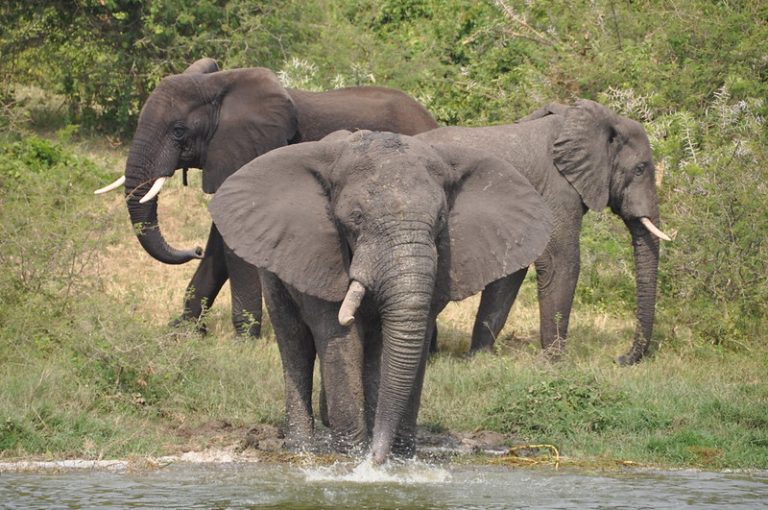
An elephant’s memory is legendary for good reason. Matriarchs retain detailed spatial maps of water sources and feeding grounds over hundreds of miles, saving their herds during severe droughts. Furthermore, elephants can track the locations of dozens of individual family members simultaneously using scent and vocalizations.
Their emotional landscape is incredibly sophisticated. They are one of the few species known to experience unmistakable grief. When a member of the herd dies, elephants gather around the carcass, touching the bones gently with their trunks in a silent vigil. This deep empathy extends to other species as well, with documented instances of elephants rescuing stranded antelope or protecting humans in danger.
Cetaceans and Cephalopods: Masters of Air and Sea
Bottlenose Dolphins
In the marine realm, the answer to which animal is the smartest points straight to the bottlenose dolphin. Dolphins have an exceptionally high EQ and a highly convoluted neocortex. They converse using a complex language of clicks and whistles, and each individual develops a unique “signature whistle” that functions exactly like a personal name.
Dolphins understand abstract concepts like syntax and inverse order. They are also famous for cultural tool use, such as fitting sea sponges over their rostra (beaks) to protect themselves while foraging on the rocky ocean floor.
The Brilliant Octopus
If we look outside the mammalian family tree to find which animal is the smartest, the octopus is a spectacular anomaly. With two-thirds of its nervous system located in its arms, an octopus possesses a decentralized intelligence. They are legendary escape artists in aquariums, capable of unscrewing jars from the inside, short-circuiting lights by spraying water, and camouflaging their skin texture and color with jaw-dropping precision to mimic rocks, coral, or predatory fish.
Experience True Wildlife Intelligence Firsthand
Reading about animal intellect is fascinating, but watching it unfold in real-time is a life-changing experience. To see these geniuses in action, you have to venture into their natural habitats.
If you want to witness the sharp minds of wild primates and the profound emotional depth of savannah giants, there is no better place on Earth than Uganda. From the dense canopy of Kibale Forest to the misty peaks of the volcanic mountains, East Africa serves as a living laboratory for the world’s most intelligent species.
To turn this curiosity into reality, explore the expertly crafted itineraries offered by Active Uganda Safaris, a premier tour provider specializing in deep, ethical wildlife encounters. For those focused on experiencing the majestic minds of our closest cousins, check out their specialized affordable gorilla trekking safaris Uganda, which bring you face-to-face with the planet’s most intelligent great apes.
The Ultimate 7-Day Primate & Wildlife Intelligence Safari
This specially curated 7-day itinerary takes you straight into the heart of Uganda, specifically designed to witness the animals that top our intelligence lists. You will observe the calculated problem-solving of wild chimpanzees, the emotional depth and memory of savannah elephants, the gentle brilliance of mountain gorillas, and a host of other highly intelligent primates along the way.
Day 1: Entebbe Arrival – Gateway to the Primate Kingdom
Your journey into the world of animal intelligence begins upon arrival at Entebbe International Airport. A representative from Active Uganda Safaris will welcome you and transfer you to your hotel.
As you relax by the shores of Lake Victoria, look out for the Vervet Monkeys and Black-and-White Colobus Monkeys leaping through the lakeside trees. These adaptable primates show remarkable social intelligence, serving as an excellent introduction to the complex wildlife minds you will encounter over the coming week.
Day 2: Journey to Kibale Forest National Park – The Primate Capital
After an early breakfast, you will drive west through Uganda’s countryside, passing rolling green hills and tea plantations toward Fort Portal. Your destination is Kibale Forest National Park, celebrated globally as the primate capital of the world.
Kibale is a dense tropical rainforest that hosts 13 distinct primate species. This ecosystem provides the perfect habitat for observing which animal is the smartest in a wild setting. Arrive in the afternoon, check into your lodge, and listen to the distant, haunting vocal echoes of the forest canopy as night falls.
Day 3: Chimpanzee Tracking in Kibale & Bigodi Wetland Sanctuary
Today brings you face-to-face with the absolute top of the animal intelligence charts. After a morning briefing, you will step into the rainforest with expert rangers to track wild Chimpanzees.
The 7-Day Primate & Wildlife Intelligence Safari
This specially curated 7-day itinerary takes you straight into the heart of Uganda, specifically designed to witness the animals that top our intelligence lists. You will observe the calculated problem-solving of wild chimpanzees, the emotional depth and memory of savannah elephants, the gentle brilliance of mountain gorillas, and a host of other highly intelligent primates along the way.
Day 1: Entebbe Arrival – Gateway to the Primate Kingdom
Your journey into the world of animal intelligence begins upon arrival at Entebbe International Airport. A representative from Active Uganda Safaris will welcome you and transfer you to your hotel.
As you relax by the shores of Lake Victoria, look out for the Vervet Monkeys and Black-and-White Colobus Monkeys leaping through the lakeside trees. These adaptable primates show remarkable social intelligence, serving as an excellent introduction to the complex wildlife minds you will encounter over the coming week.
Day 2: Journey to Kibale Forest National Park – The Primate Capital
After an early breakfast, you will drive west through Uganda’s countryside, passing rolling green hills and tea plantations toward Fort Portal. Your destination is Kibale Forest National Park, celebrated globally as the primate capital of the world.
Kibale is a dense tropical rainforest that hosts 13 distinct primate species. This ecosystem provides the perfect habitat for observing which animal is the smartest in a wild setting. Arrive in the afternoon, check into your lodge, and listen to the distant, haunting vocal echoes of the forest canopy as night falls.
Day 3: Chimpanzee Tracking in Kibale & Bigodi Wetland Sanctuary
Today brings you face-to-face with the absolute top of the animal intelligence charts. After a morning briefing, you will step into the rainforest with expert rangers to track wild Chimpanzees.
Chimpanzee Tracking Brief
Field Intelligence & Operations
Watching a chimpanzee community in the wild is a profound experience. You will see them communicate using high-pitched pant-hoots, watch mothers teach their young how to extract insects using twigs, and observe the clear, calculated expressions in their eyes.
In the afternoon, enjoy a guided walk through the Bigodi Wetland Sanctuary. This community-run swamp is a paradise for primate lovers, offering close encounters with highly intelligent Grey-cheeked Mangabeys, Red Colobus Monkeys, and L’Hoest’s Monkeys, each displaying their own intricate social dynamics and foraging strategies.
Day 4: Transfer to Queen Elizabeth National Park – Savannah Geniuses
Leaving the rainforest behind, you will drive south towards Queen Elizabeth National Park, framed by the snow-capped Rwenzori Mountains. This park is a dynamic mosaic of savannah, crater lakes, and wetlands, home to an abundance of classic African wildlife.
Queen Elizabeth National Park
Wildlife Intelligence Matrix
As you enter the park, keep an eye out for herds of African Elephants. Watching these gentle giants navigate the savannah offers a firsthand look at their incredible emotional depth. You will see matriarchs guiding their families with steady confidence, young calves being protected by protective aunts, and individuals communicating through subtle rumbles that travel for miles through the ground.
Day 5: Game Drive & Kazinga Channel Boat Cruise
Start your morning with an early game drive across the Kasenyi plains. Here, you will observe the tactical intelligence of predators like lions and leopards as they coordinate hunts, alongside large herds of Cape buffalo and Uganda kob.
In the afternoon, embark on a boat cruise along the Kazinga Channel, an oasis that draws an incredible density of wildlife.
From the safety of the boat, you will watch giant hippos managing their territories, crocodiles basking on the banks, and herds of highly intelligent elephants coming down to drink and bathe. Watch how the older elephants carefully guard the younger ones in the water—a beautiful display of their advanced empathy and protective instincts.
Day 6: Kyambura Gorge Exploration – The “Underground Forest” & Bwindi
This morning, you will explore the dramatic Kyambura Gorge, also known as the “Valley of Apes.” This deep, underground tropical rainforest fractures the savannah floor, creating an isolated ecosystem for a resident community of chimpanzees.
Tracking chimpanzees in this steep gorge offers a fascinating look at evolutionary adaptation, as these primates have developed unique habits and vocalizations tailored to their sunken forest home.
After this trek, you will drive through the Ishasha sector—famous for its unique tree-climbing lions—and wind up into the terraced hills toward Bwindi Impenetrable National Park, home to the brilliant mountain gorillas.
Day 7: Gorilla Trekking in Bwindi & Departure
On this final, unforgettable day, you will trek into the ancient, misty forests of Bwindi to spend an hour with the majestic Mountain Gorillas.
Gorilla Trekking Brief
Great Ape Cognitive Assessment